Current bridge safety alerts and closures
Bridge safety protocols are actively reshaping infrastructure management across major U.S. jurisdictions in 2026. Recent official advisories highlight a shift toward preemptive maintenance and emergency response coordination, particularly in high-traffic corridors. These updates reflect broader regulatory trends aimed at preventing structural failures before they impact public safety.
In the Washington, D.C. area, the District Department of Transportation (DDOT) announced temporary lane closures for preventive maintenance on May 27–28, 2026. The agency specified that single lanes would be closed as needed to address critical bridge components, minimizing disruption while ensuring structural integrity. This localized action underscores the routine but essential nature of ongoing infrastructure upkeep.
Further north, the Port Authority of New York and New Jersey issued a travel advisory for the George Washington Bridge on June 2, 2026. An interagency emergency inspection was scheduled between 10:30 a.m. and 1:30 p.m., requiring travelers to anticipate delays. Such coordinated closures are standard procedure when rigorous safety checks are deemed necessary, demonstrating the heightened vigilance applied to critical transportation links.
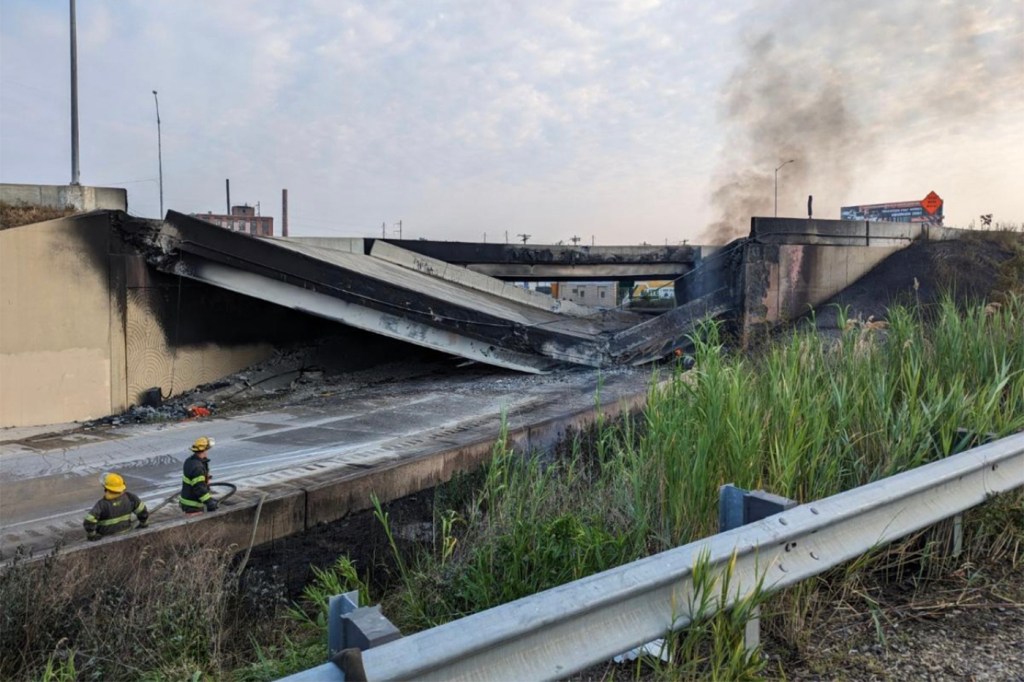
Meanwhile, in Connecticut, the Department of Transportation (CTDOT) ramped up highway and road construction projects throughout the spring of 2026. This seasonal increase in work zones has heightened awareness of bridge safety, with officials emphasizing that preventive measures are a top priority. These combined efforts across NY/NJ, DC, and CT illustrate a nationwide commitment to maintaining safe and functional bridge networks.
Federal funding and ASCE policy shifts
The financial backbone for current bridge safety initiatives rests on the Infrastructure Investment and Jobs Act (IIJA). Enacted in November 2021, this legislation provides a substantial boost to bridge infrastructure through the Bridge Formula Program. According to data from the American Society of Civil Engineers (ASCE), this program receives a dedicated allocation of $27.5 billion. This funding is designed to support the maintenance and replacement of bridges across the nation, addressing the backlog identified in the 2024 National Bridge Inventory reports.
Alongside federal funding, regulatory frameworks are evolving to ensure these resources are applied effectively. ASCE has issued Policy Statement 208, which advocates for a bridge safety program that is fully funded and consistently operated. This policy applies to both public and private bridges, emphasizing the need for proper maintenance protocols. The statement underscores that consistent operation and maintenance are essential to preserving structural integrity, particularly as the share of bridges in poor condition remains a concern, with nearly one out of ten bridges currently classified in poor condition.
These federal and policy shifts create a structured environment for infrastructure updates. By combining significant financial resources with clear policy guidelines, stakeholders in jurisdictions ranging from New York to New Jersey, and Washington DC, can prioritize safety improvements. The focus remains on informational updates regarding safety protocols and funding mechanisms, rather than legal advice. This approach ensures that bridge owners and operators have the necessary support to maintain safe infrastructure for the public.
AI monitoring and smart infrastructure trends
The structural safety protocols for 2026 mark a definitive shift from scheduled manual inspections to continuous, AI-driven monitoring. This transition addresses the reality that nearly 10% of U.S. bridges remain in poor condition, a statistic that underscores the limitations of traditional inspection cadences. By deploying dense sensor networks and machine learning algorithms, agencies can now detect micro-fractures and stress anomalies in real time, rather than waiting for the next annual review. This data-centric approach transforms bridge management from a reactive maintenance model into a predictive safety framework.
Federal and state agencies are rapidly adopting these technologies to manage aging infrastructure. The Federal Highway Administration (FHWA) has emphasized the integration of Structural Health Monitoring (SHM) systems as a critical component of the National Bridge Inventory updates. In jurisdictions like New York and New Jersey, the Port Authority has begun piloting IoT-enabled strain gauges and accelerometers on high-traffic spans. These devices feed continuous data streams to central dashboards, allowing engineers to visualize load impacts from heavy freight and environmental stressors without physical intervention.
The urgency of this technological shift was highlighted following the 2024 National Bridge Inventory reports, which showed persistent structural deficiencies despite overall improvements. AI models are now trained on historical inspection data and live sensor feeds to predict failure probabilities with greater accuracy. For instance, the District of Columbia Department of Transportation (DDOT) has integrated automated visual inspection tools that use computer vision to identify corrosion and concrete spalling on historic spans. This reduces human error and increases the frequency of safety assessments across the district’s bridge network.
The economic argument for smart infrastructure is equally compelling. Preventive maintenance driven by AI insights is significantly cheaper than emergency repairs or full replacements. By identifying weak points early, agencies can allocate funds more efficiently, ensuring that critical repairs are prioritized based on actual risk rather than arbitrary schedules. This data-driven allocation of resources is essential for maintaining the integrity of the national transportation network in an era of increasing freight volumes and climate-related stressors.
National bridge condition statistics
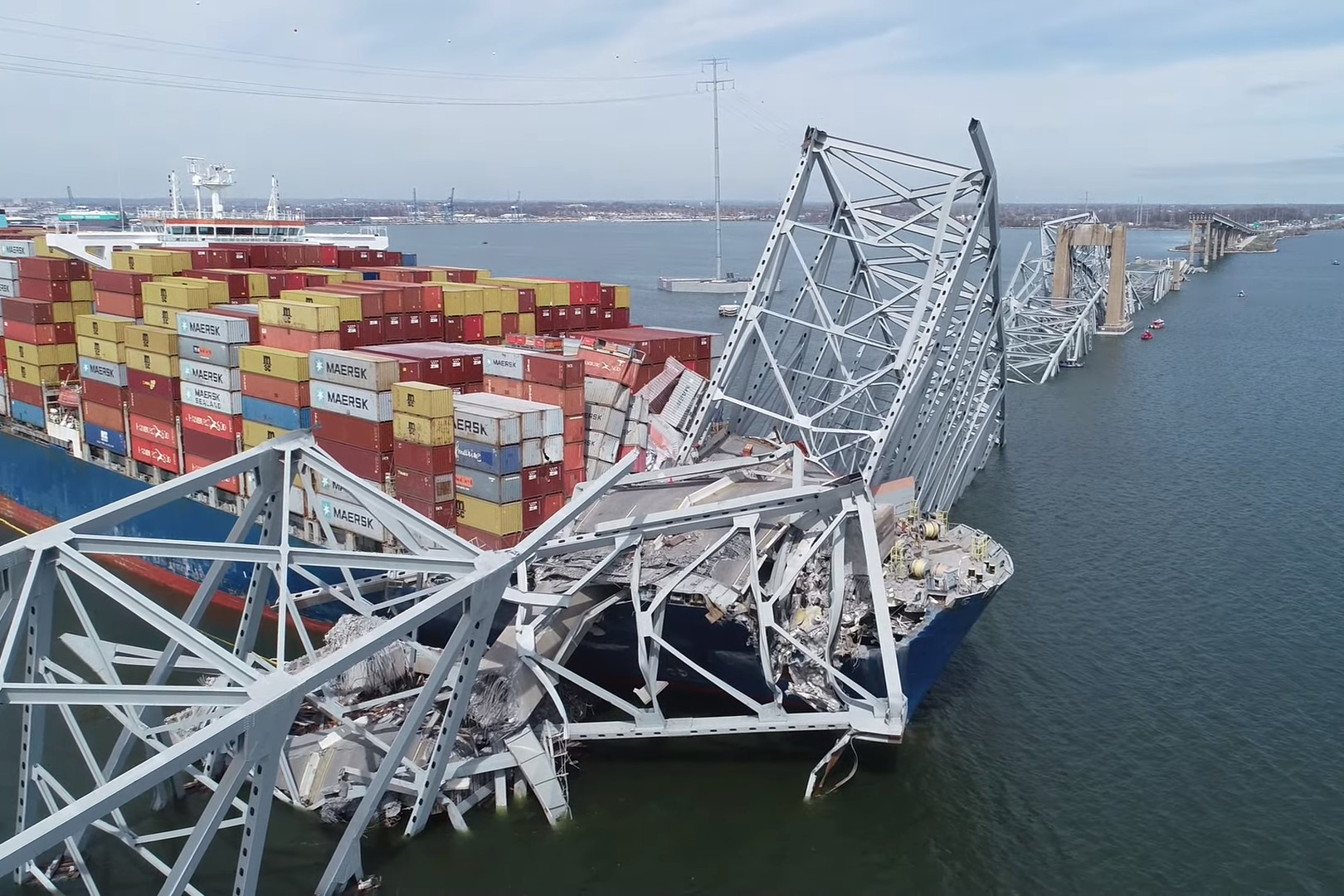
The Federal Highway Administration (FHWA) 2024 National Bridge Inventory reports that approximately 8.5% of the nation’s 617,554 bridges are classified as structurally deficient or in poor condition. While this share has declined from previous decades, the absolute number remains significant, highlighting persistent maintenance backlogs across state departments of transportation.
The American Society of Civil Engineers (ASCE) 2025 Infrastructure Report Card assigned the bridge sector a grade of C-, noting that the $27.5 billion allocated through the Bridge Formula Program under the Infrastructure Investment and Jobs Act (IIJA) provides a substantial, though not immediate, remedy. The data indicates that while overall health is improving, the pace of rehabilitation lags behind the rate of structural aging in older metropolitan corridors.
| Metric | 2024 Value | Trend | Source |
|---|---|---|---|
| Bridges in Poor Condition | 8.5% | Declining | FHWA NBI 2024 |
| ASCE Bridge Grade | C- | Stable | ASCE 2025 Report Card |
| IIJA Bridge Funding | $27.5 Billion | New Allocation | IIJA Statutes |
-
Structural deficiency ratings per FHWA NBI
-
Concrete spalling and rebar corrosion rates
-
Scour depth measurements during high-flow events
-
Load rating updates for overweight freight corridors
Regulatory agencies in jurisdictions such as New York, New Jersey, and the District of Columbia continue to implement targeted inspection protocols based on these national baselines. The focus remains on data-driven prioritization, ensuring that limited federal and state funds address the most critical structural risks first.
Upcoming industry conferences and events
The IABMAS 2026 conference serves as a primary venue for discussing structural integrity standards. Scheduled for July 6-10, 2026, in Orlando, FL, the Thirteenth International Conference on Bridge Maintenance, Safety and Management will convene engineers and regulators. The agenda focuses on AI advancements in monitoring and updated safety protocols. For the complete schedule and registration details, visit the International Association for Bridge Maintenance and Safety (IABMAS) events page here.
No comments yet. Be the first to share your thoughts!