
Bridge structural health monitoring budget
Structural health monitoring for bridges isn’t a single purchase; it’s a system built around your specific asset’s age and condition. The cost varies wildly depending on whether you’re retrofitting a century-old suspension bridge or monitoring a new concrete overpass. You aren’t just buying sensors; you’re buying a data strategy that scales with your infrastructure’s needs.
The entry point for most agencies is a targeted wireless sensor network. These systems typically include accelerometers, strain gauges, and tilt sensors that transmit data via LoRaWAN or cellular. For a standard two-lane bridge, a basic monitoring kit with five to ten nodes can range from $15,000 to $30,000, excluding installation. This setup covers critical vibration and load data without the heavy infrastructure of wired systems.
For larger or more complex structures, the budget shifts toward continuous monitoring with edge computing. Here, you’re paying for local data processing to filter noise before transmission, reducing bandwidth costs. These systems often integrate with existing SCADA platforms. The initial hardware investment can exceed $100,000, but it reduces the long-term cost of manual inspections and provides real-time alerts for structural anomalies.
Amazon Products for Bridge Monitoring
![[BLE Vibration Sensor] WTVB01-BT50 Smart Vibration Module Ar-duino, 3-axis Vibration(Amplitude+Frequency+Displacement+Speed) Detector, Wireless Acceleration Shock Motor Monitor](https://m.media-amazon.com/images/I/61nCksMApwL._AC_UY654_QL65_.jpg)


As an Amazon Associate, we may earn from qualifying purchases.
Compare the best bridge monitoring systems for 2026
The 2026 shift toward fully digital structural health monitoring (SHM) has changed what engineers look for in hardware. Older analog systems are being replaced by fiber-optic sensors, digital accelerometers, and integrated data loggers that stream directly to cloud dashboards. Choosing the right setup depends on whether you need real-time traffic load analysis, long-term material degradation tracking, or quick post-event damage assessment.
We have shortlisted the most capable bridge monitoring solutions available for procurement this year. These options range from complete sensor suites to standalone data acquisition units. We have compared them based on sensor type, connectivity, and typical application scope to help you select the right tool for your infrastructure project.
| Solution | Sensor Type | Connectivity | Primary Use Case |
|---|---|---|---|
| Kistler Digital SHM Suite | Digital Force/Acceleration | Ethernet/5G | Real-time traffic load monitoring |
| HBM Structural Health Sensors | Fiber Bragg Grating | Wired RS485 | Long-term strain & temperature tracking |
| Omega SHM Data Loggers | Universal Input | Wi-Fi/Cellular | Retrofitting older concrete bridges |
| PCB Piezotronics Accelerometers | High-Frequency Acceleration | Analog/Digital | Vibration & modal analysis |
Kistler Digital SHM Suite
Kistler’s 2026 entry focuses on fully digital signal transmission, which reduces noise interference over long cable runs common in large bridge spans. This suite is ideal for bridges requiring real-time weight-in-motion data and dynamic load monitoring. The sensors are ruggedized for outdoor exposure and integrate directly with standard SCADA systems.
HBM Structural Health Sensors
HBM remains a leader in fiber-optic solutions for civil infrastructure. Their Fiber Bragg Grating (FBG) sensors measure strain and temperature simultaneously without needing electrical power at the sensing point. This makes them perfect for long-term monitoring of prestressed concrete or steel cable tension where battery replacement is impractical.
Omega SHM Data Loggers
For agencies retrofitting older bridges, Omega’s universal input loggers offer a flexible starting point. They accept a wide range of analog sensors, including strain gauges and inclinometers. The units feature built-in cellular or Wi-Fi modules, allowing engineers to upload data to cloud platforms without installing new wired infrastructure.
PCB Piezotronics Accelerometers
When the goal is vibration analysis or modal testing, PCB’s high-frequency accelerometers provide the necessary sensitivity. These are often used in conjunction with data acquisition systems to detect changes in a bridge’s natural frequency, which can indicate structural damage or stiffness loss after an event like an earthquake or impact.
Inspect the expensive parts
Structural health monitoring (SHM) shifts focus from reactive repairs to proactive data collection. The most critical investment lies in sensors that detect early signs of fatigue in high-stress zones. Missing these signals leads to costly emergency closures and structural failures. This section outlines the essential components for a practical inspection strategy.
Cable-stayed and suspension bridges rely on tension integrity. Install high-precision load cells at anchor points to track real-time stress variations. Sudden drops in tension often indicate internal wire breaks or corrosion before they become visible to the naked eye. This data is critical for preventing catastrophic cable failures.

Bridge bearings allow for thermal expansion and contraction. If they seize or shift unexpectedly, stress transfers to the deck or piers. Use linear variable differential transformers (LVDTs) to measure micro-movements. Consistent deviation from expected thermal expansion patterns signals bearing degradation, which is expensive to repair if left unchecked.

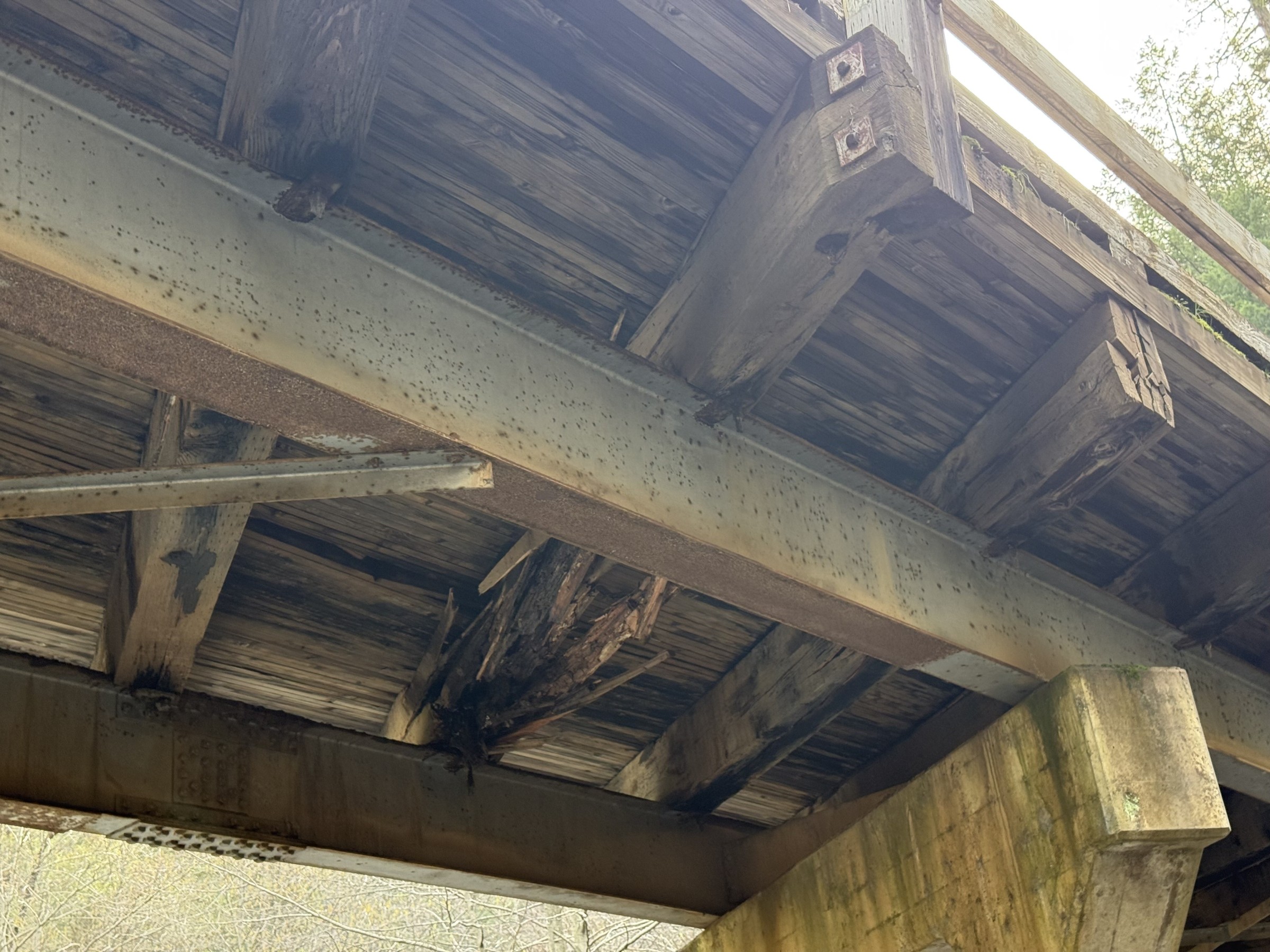
Corrosion under the deck is a hidden killer. Acoustic emission sensors listen for the high-frequency sounds of metal cracking or corrosion spreading. Unlike visual inspections, these sensors work through coatings and paint layers. They provide early warning of active deterioration in steel reinforcement or girders, allowing for targeted maintenance.
Settlement or scouring around piers compromises the entire structure. Tiltmeters and inclinometers placed at the base of piers detect subtle shifts in angle. Even a fraction of a degree change can indicate soil erosion or foundation movement. Regular data collection here helps predict potential sinking or tilting events.


As an Amazon Associate, we may earn from qualifying purchases.
Implementing these four sensor types creates a comprehensive safety net. By focusing on cables, bearings, decks, and foundations, you address the most expensive and dangerous failure points first. This targeted approach ensures your SHM budget delivers maximum safety value.
Plan for ownership costs
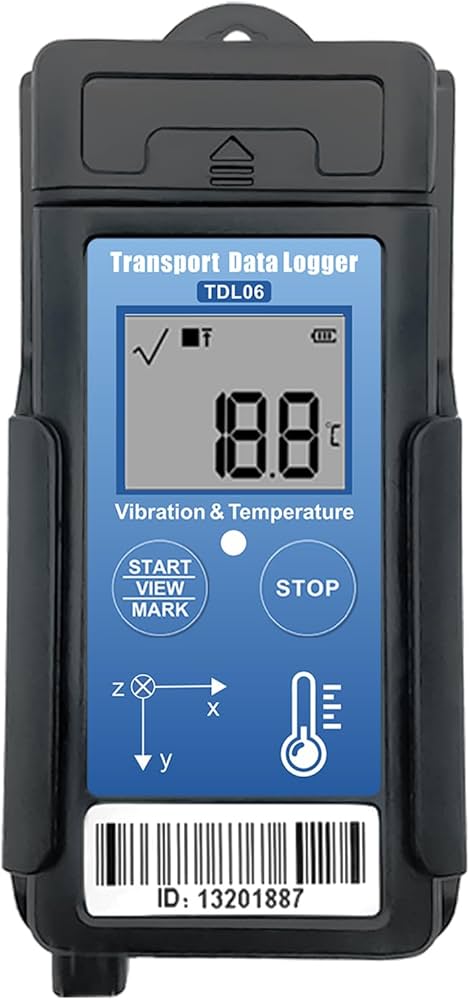
The upfront price of a Structural Health Monitoring (SHM) system is rarely the final bill. Real ownership costs accumulate through sensor calibration, data storage, and the specialized labor required to interpret vibration or strain data. Without a clear maintenance plan, a "cheap" monitoring kit can become a liability, draining budget through frequent false positives and redundant site visits.
Maintenance surprises to budget for
Sensors exposed to weather and traffic vibration degrade faster than lab estimates suggest. You must account for the cost of replacing corroded strain gauges and recalibrating accelerometers every 18 to 24 months. Data transmission modules also require firmware updates and cellular data plans, which add recurring annual fees that many buyers overlook in their initial spreadsheets.
When a cheap buy stops being cheap
Low-cost SHM devices often lack the accuracy to distinguish between minor wear and critical structural failure. This leads to "alert fatigue," where engineers waste time investigating harmless traffic vibrations. The true cost of these systems is measured in missed detections; if a sensor fails to flag a crack before it spreads, the repair cost shifts from thousands to millions in concrete and steel replacement.


As an Amazon Associate, we may earn from qualifying purchases.
Bridge structural health monitoring 2026: what to check next
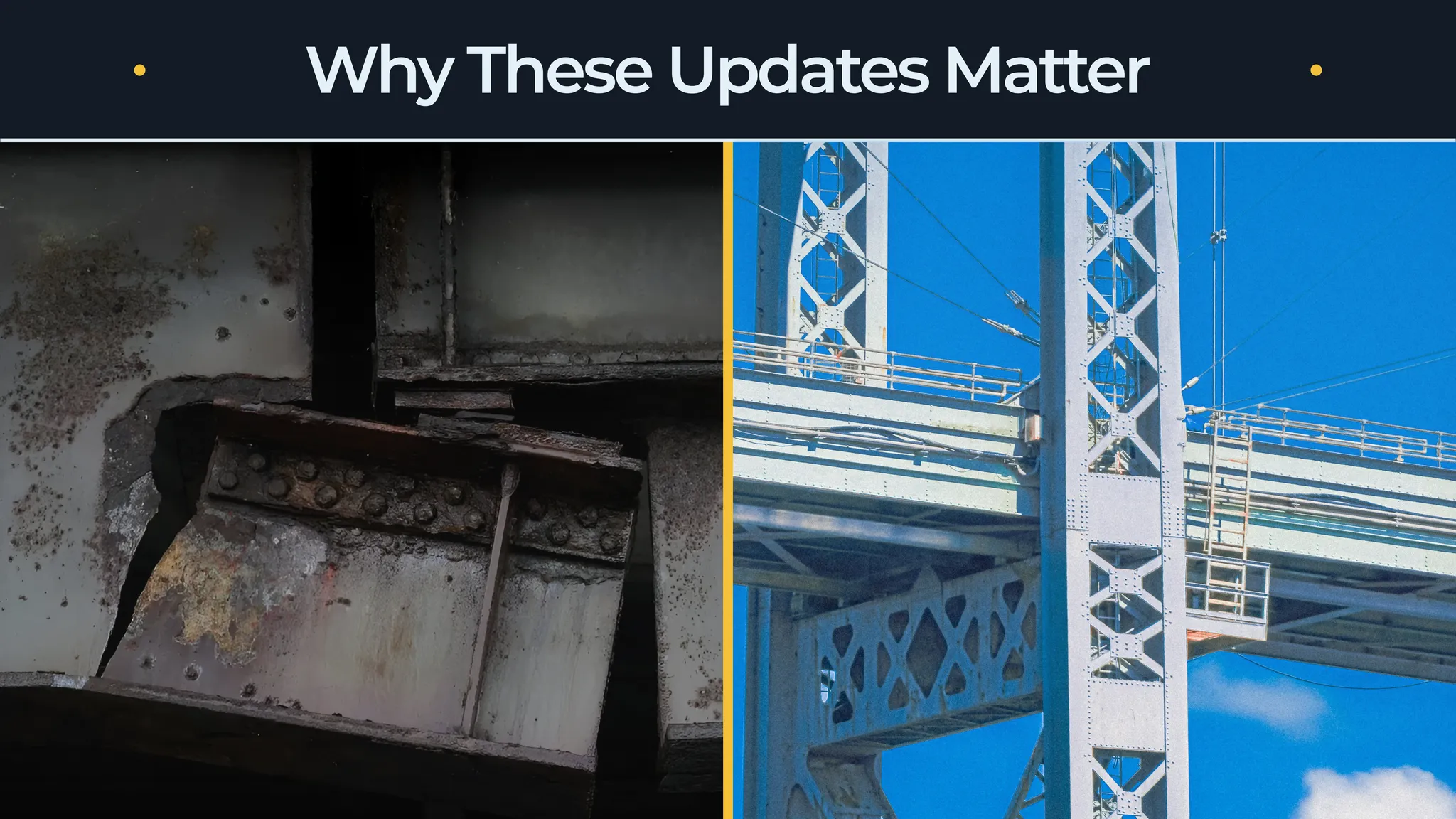
The 2026 standards update shifts focus from reactive repairs to continuous, real-time data. Agencies are now prioritizing digital twins and fully digital sensor networks that integrate directly with cloud reporting platforms. This change means older analog systems are being phased out in favor of integrated solutions that offer 24/7 visibility into structural integrity.
What are the new 2026 monitoring standards?
The updated guidelines mandate higher data fidelity and real-time alert thresholds. Instead of relying on periodic manual inspections, new standards require continuous monitoring for critical bridges. This includes mandatory integration of IoT sensors that track strain, vibration, and displacement, ensuring that any structural anomaly is flagged immediately rather than months later.
Which technologies are now industry standard?
Fully digital structural health monitoring (SHM) solutions are replacing legacy analog systems. These platforms use advanced piezoelectric sensors and robotics to collect data without manual intervention. The goal is to create a "digital twin" of the bridge, allowing engineers to simulate stress loads and predict maintenance needs before physical damage occurs.
How does this affect maintenance costs?
While the upfront investment in digital sensors and cloud infrastructure is higher, long-term costs drop significantly. By catching micro-fractures early, agencies avoid catastrophic failures and expensive emergency closures. The market is expected to grow from $3.5 billion in 2026 to over $8.6 billion by 2033, driven by this shift toward preventative, data-driven maintenance.
When do these standards take effect?
Major updates are being rolled out throughout 2026, with full compliance required for federally funded projects by the end of the year. Key industry events, such as the European Workshop on SHM in Toulouse, are highlighting these new protocols. Agencies should begin auditing their current sensor networks to ensure compatibility with the new digital reporting requirements.
No comments yet. Be the first to share your thoughts!