
Estimate your inspection budget
Planning a bridge inspection 2026 project requires a clear understanding of how variable costs can shift based on structural complexity and access requirements. Whether you are managing a municipal portfolio or a private infrastructure asset, accurate budgeting helps prevent unexpected overruns during the assessment phase.
The cost of an inspection is not a flat rate. It is driven by the bridge's material, span length, and the depth of the examination required. Concrete, steel, and wood structures each present different challenges for inspectors, particularly when evaluating foundations, bearings, and joints for signs of wear or damage.
Use the calculator below to generate a preliminary cost range. This tool accounts for standard routine inspections, specialized underwater assessments, and geographic location factors that influence labor rates and equipment needs.
Keep in mind that this estimate covers standard visual and non-destructive testing. If the inspection reveals significant structural issues, or if access is particularly difficult due to tight spaces between girders, additional specialized equipment or methods may be required, which will increase the final price.
Routine inspection steps and scope
A bridge inspection 2026 cycle follows a strict, standardized workflow designed to catch deterioration before it impacts structural integrity. Crews move methodically through the bridge’s critical components, documenting condition data that feeds directly into the national bridge inventory. Understanding this scope clarifies why certain bridges carry higher inspection costs than others.
Before touching the structure, inspectors review historical data and plan access routes. This phase determines whether a snooper truck, lift, or underwater gear is needed. Access is often the hardest part of the job, as tight spaces between girders can delay the entire process.
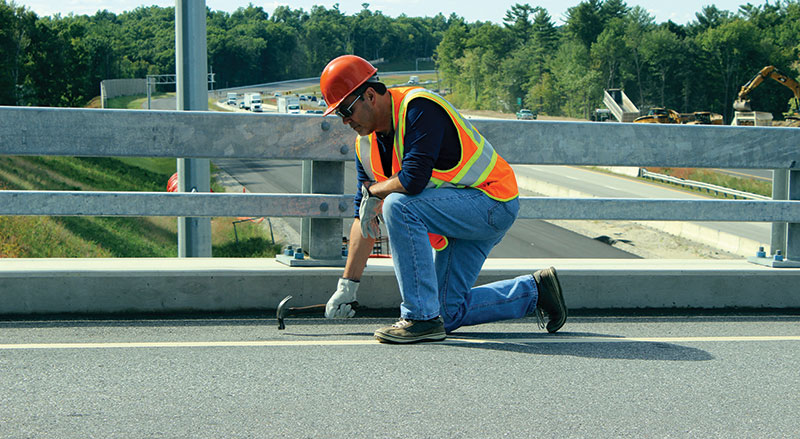
Inspectors walk the deck and examine the superstructure for visible defects. They look for spalling concrete, rusting rebar, and cracking in the deck surface. Bearings and expansion joints are checked for proper movement and signs of wear, which are common failure points in aging infrastructure.
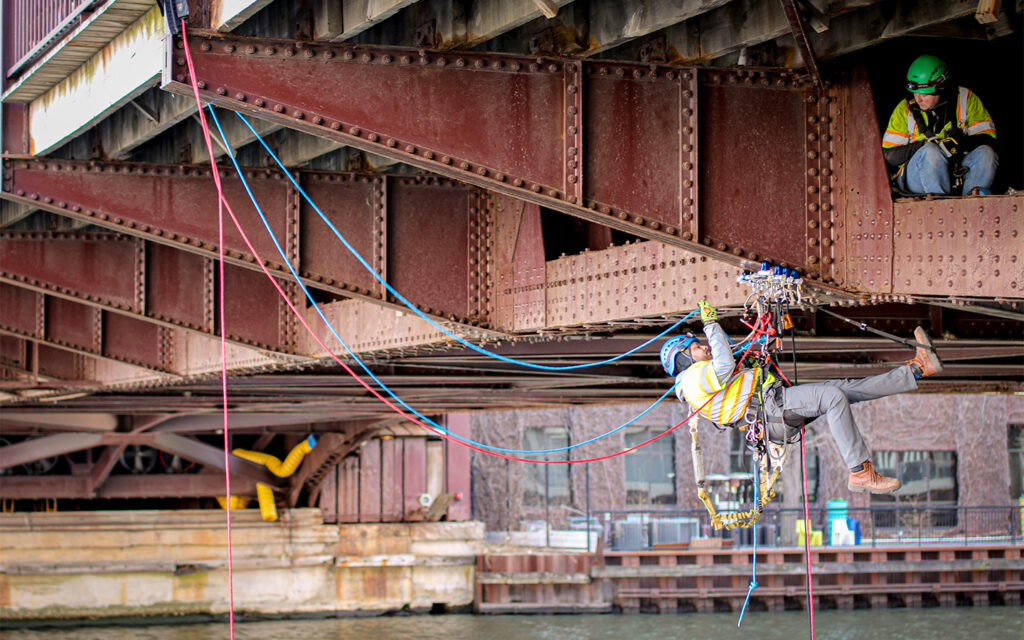
The substructure includes piers, abutments, and columns. Inspectors look for scour damage around foundations and vertical cracking in concrete pillars. If the bridge spans deep water, a separate underwater inspection is scheduled, as these elements are typically checked on a longer 60-month cycle rather than the standard 24-month routine.
All findings are recorded using standardized coding systems. Each component receives a condition rating that reflects its current state. This data is uploaded to state transportation databases, where it influences maintenance prioritization and budget allocation for the coming fiscal year.
This systematic approach ensures that every bridge inspection 2026 project produces comparable, actionable data. By breaking the bridge down into these specific scopes, inspectors can accurately estimate the time and resources required for each site.
AI monitoring vs traditional methods
Bridge inspection 2026 is shifting from periodic manual checks to continuous digital oversight. Traditional methods rely on crews physically accessing structures to identify visible deterioration, while AI monitoring uses sensors and automated analysis to track structural health in real time. This transition changes how agencies allocate budgets and manage risk.
The Limitations of Manual Inspections
Traditional bridge inspection remains the regulatory baseline. Inspectors examine foundations, bearings, and joints for cracks, spalling, or corrosion. While effective for documenting immediate physical defects, this approach is inherently reactive. Inspections typically occur every two years, meaning significant structural changes can go unnoticed between visits. Accessing difficult-to-reach areas, such as tight spaces between girders, often requires specialized equipment like snooper trucks, adding cost and logistical complexity.
The Efficiency of AI-Driven Monitoring
AI monitoring systems address these gaps by providing continuous data streams. Sensors embedded in or attached to bridges detect vibrations, strain, and temperature changes. Machine learning algorithms analyze this data to identify anomalies that precede visible damage. This proactive approach allows agencies to predict maintenance needs before they become critical, potentially extending the lifespan of infrastructure and reducing emergency repair costs.
Cost and Data Comparison
The table below compares the operational characteristics of traditional inspections against AI monitoring systems. While AI requires higher initial setup costs, it offers superior data depth and frequency, which can lower long-term lifecycle costs.
| Metric | Traditional Inspection | AI Monitoring |
|---|---|---|
| Frequency | Biennial (every 2 years) | Continuous (24/7) |
| Data Depth | Visual defects and surface conditions | Structural health, strain, vibration, and environmental factors |
| Cost Structure | Lower upfront cost, high labor cost per visit | Higher initial sensor/setup cost, lower long-term labor cost |
| Accessibility | Requires physical access (snooper trucks, scaffolding) | Remote access via sensor networks |
| Response Time | Reactive (after damage is visible) | Proactive (anomaly detection before failure) |
Access challenges and practical fixes
Access remains the primary bottleneck in bridge inspection 2026. Even with advanced tools, reaching every critical component—like the foundation, bearings, and joints—requires significant logistical planning. The spaces between girders and beams are often too tight for standard equipment, making physical access extremely difficult.
Access remains the primary bottleneck, often requiring specialized equipment like snooper trucks or drones.
To overcome these spatial constraints, inspectors rely on snooper trucks and specialized lifting platforms. These vehicles allow crews to position themselves directly beneath the structure, providing the stability needed for detailed visual checks and non-destructive testing. While effective, this approach requires careful traffic management and can be costly for smaller bridges.
Drones have emerged as a vital supplement for hard-to-reach areas. By using camera-equipped drones, inspectors can capture high-resolution images of upper chords, trusses, and under-deck spaces without deploying personnel into hazardous positions. This technology reduces risk and time, allowing for more frequent inspections of complex geometries.
Proper planning is essential to mitigate these access issues. Inspectors must evaluate the bridge’s geometry and surrounding environment before deploying equipment. This preparation ensures that the right tools are on-site, minimizing downtime and ensuring that no critical component is overlooked during the assessment.
Frequently asked: what to check next
What is the hardest part of a bridge inspection?
Access is consistently the most difficult challenge. Even with advanced equipment, inspectors often struggle to reach critical components. The spaces between girders, beams, and other structural parts are frequently too tight for standard tools or human entry, making a thorough visual assessment of every surface nearly impossible without specialized drones or remote sensing.
How much does a bridge inspector make in Florida?
Salary expectations vary by location and experience level. As of May 2026, the average annual pay for a Bridge Inspector in Florida is approximately $52,021. This works out to roughly $25.01 an hour. These figures reflect current market rates for licensed professionals conducting routine and detailed inspections under state transportation departments.
What is included in a 2026 bridge inspection?
A standard inspection focuses on the structural integrity of key components. Crews examine the foundation, bearings, and joints for signs of wear or damage. They also look for specific issues like chipped concrete, corroded steel, or compromised deck surfaces. The goal is to identify defects early enough to schedule repairs before they affect safety or traffic flow.
No comments yet. Be the first to share your thoughts!