Why manual inspections fall short
Bridge safety 2026 demands a shift away from the traditional model of periodic visual checks. For decades, inspectors have relied on scheduled visits to document cracks, corrosion, and joint failures. This approach creates significant gaps in data, leaving structures vulnerable between visits.
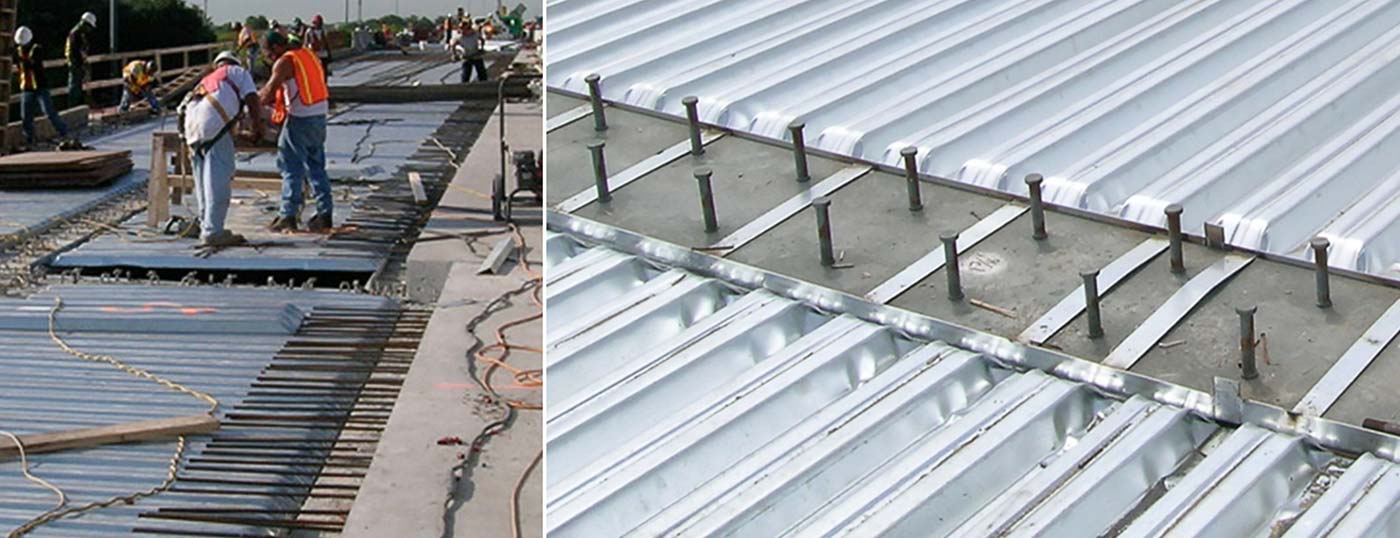
Access remains the primary obstacle. Even with specialized equipment like snooper trucks, reaching every critical component is nearly impossible. Confined areas where girders meet beams often hide deterioration until it becomes visible from a distance or, worse, until it compromises structural integrity. These blind spots mean that manual inspections can only tell you what a bridge looked like on a specific day, not how it is performing in real time.
The infrequency of these checks is the second major limitation. A bridge inspected in January might suffer significant damage by December, yet no one knows until the next scheduled visit. This lag prevents proactive maintenance, forcing agencies to react to failures rather than prevent them. Continuous AI monitoring fills this void by providing a constant stream of data, capturing subtle changes in stress, vibration, and deformation that human eyes would miss.
How AI sensors detect hidden damage
Traditional bridge inspections rely on visual checks from trucks or crawlers, often missing micro-cracks or internal corrosion until it is too late. The hardest part of any inspection is access; tight spaces between girders and beams leave blind spots that human inspectors simply cannot reach. Bridge safety 2026 addresses this by replacing periodic snapshots with continuous, real-time monitoring.
The Sensor Network
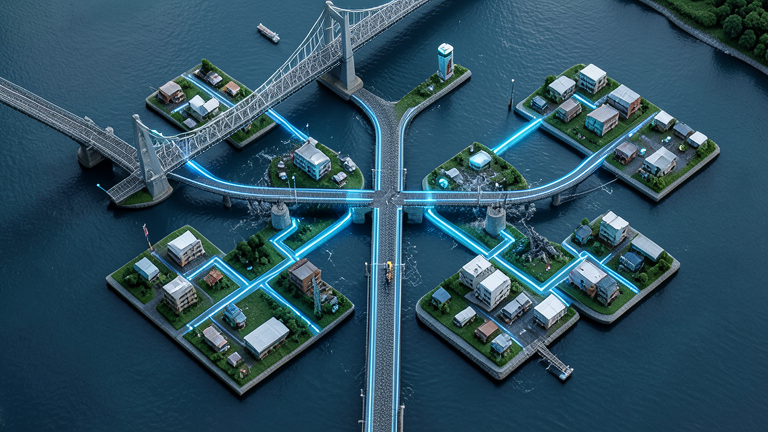
Modern bridges are embedded with IoT devices that act as a nervous system. Strain gauges measure the physical stress on steel and concrete as traffic loads change. Accelerometers detect subtle vibrations that might indicate loose bolts or structural fatigue. Corrosion sensors monitor the chemical environment within the concrete, alerting engineers to rust before it compromises the rebar. These sensors feed data continuously, eliminating the gaps in coverage that plague annual or biennial inspections.
From Raw Data to Predictive Alerts
The value of these sensors lies in how the data is processed. Raw signals are filtered at the edge to reduce noise, then sent to cloud-based AI models. These models learn the "normal" behavior of the bridge over time, flagging anomalies that deviate from expected patterns. This allows for predictive maintenance, identifying failure points before they become visible or dangerous.
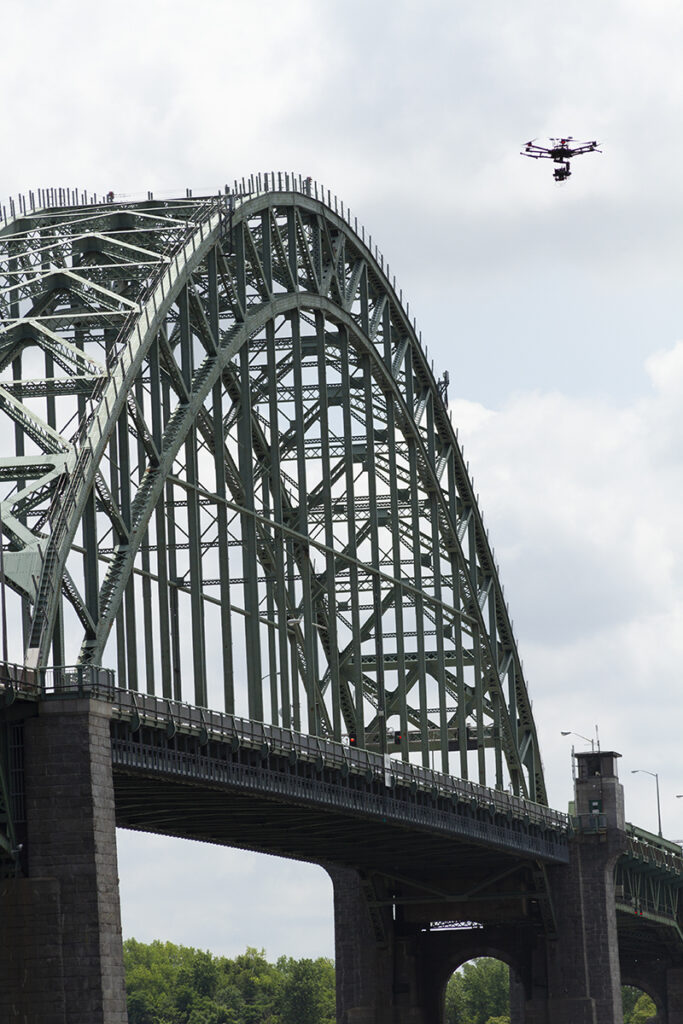
This shift from reactive to proactive monitoring transforms bridge safety 2026. Instead of waiting for a crack to appear, agencies can address stress concentrations while the structure is still sound. The result is longer bridge lifespans, reduced maintenance costs, and significantly improved public safety.
How AI caught problems before they grew
Traditional bridge inspections often miss hidden deterioration because access is difficult. Even with snooper trucks, confined areas where girders meet beams make thorough checks nearly impossible. This gap in visibility is where bridge safety 2026 strategies shift from reactive repair to proactive prevention.
Lock-coil cable corrosion
The Galecopper Bridge case highlights a common failure point: damaged lock-coil cables. Corrosion inside these cables is invisible during standard visual inspections. AI-driven monitoring systems now detect micro-changes in cable tension and vibration patterns that signal internal degradation. By identifying these anomalies early, maintenance teams can replace specific cable sections before structural integrity is compromised, avoiding costly full replacements.
Structural health monitoring
Continuous monitoring provides a real-time health check for bridge components. Sensors track load distribution, temperature expansion, and material stress. When AI analyzes this data, it flags deviations from baseline performance. For example, a slight increase in vibration frequency might indicate a loose bolt or early-stage fatigue. Addressing these minor issues promptly prevents them from escalating into critical failures that could lead to collapse.
| Inspection Method | Frequency | Detection Capability | Cost Impact |
|---|---|---|---|
| Visual Inspection | Annual | Surface only | Low |
| AI Continuous Monitoring | Real-time | Internal & external | Medium |
| Ultrasonic Testing | As needed | Internal cracks | High |
The shift toward continuous monitoring represents a fundamental change in how we approach bridge safety 2026. By catching issues early, agencies can extend the lifespan of infrastructure and ensure public safety without waiting for visible signs of failure.
New regulations and funding shifts
The old rhythm of bridge inspection—sending a crew out once or twice a year to look for cracks—can no longer keep pace with the accelerating stress on aging infrastructure. Inspection gaps remain the primary symptom of this failure, especially in hard-to-reach spaces between girders where visual checks miss early decay. The 2026 regulatory landscape is shifting to close these gaps, moving from periodic snapshots to continuous monitoring.
The U.S. Army Corps of Engineers (USACE) has updated its Engineering Regulation 1110-2-111 to reflect these changes. The 2026-2 directive explicitly integrates advanced evaluation methods into the Bridge Safety Program, signaling a move away from purely manual assessments. This regulatory shift encourages the adoption of technologies that provide real-time data, allowing engineers to detect structural anomalies before they become critical failures.
Federal funding priorities are aligning with these regulatory updates. Money is no longer just flowing into reactive repairs but into smart infrastructure systems that can predict maintenance needs. This shift ensures that bridge safety 2026 standards are not just theoretical guidelines but funded realities. By prioritizing continuous monitoring, agencies can allocate resources more efficiently, targeting interventions where they are needed most rather than relying on fixed schedules.
The combination of updated USACE guidelines and targeted federal investment creates a new baseline for infrastructure management. Inspectors are no longer just looking for damage; they are monitoring health. This transition reduces the uncertainty that has long plagued bridge maintenance, turning safety into a continuous, data-driven process rather than a periodic checklist.
Common bridge inspection: what to check next
Inspection gaps often stem from physical barriers rather than a lack of will. Understanding these constraints helps clarify why bridge safety 2026 relies on continuous monitoring rather than sporadic manual checks.
What is the hardest part of a bridge inspection?
Access remains the primary bottleneck. Even with snooper trucks, inspectors struggle to reach confined areas where girders meet beams. These spaces hide critical deterioration that traditional visual checks often miss. Continuous AI monitoring fills these blind spots by providing constant data from hard-to-reach locations.
What type of bridge is the safest?
Suspension bridges are generally considered the most structurally efficient and earthquake-resistant. Their design distributes weight and seismic forces effectively, making them highly resilient. However, no bridge type is immune to aging. Regular maintenance and real-time monitoring are essential for all bridge types to ensure long-term safety.
Quick checklist
-
Verify sensor placementEnsure strain gauges and accelerometers are installed in high-stress zones and hard-to-reach areas like girder intersections.
-
Check data integrationConfirm that edge computing devices are filtering noise and transmitting data to cloud-based AI models without latency.
-
Review alert protocolsEstablish clear workflows for engineers to respond to anomalies in vibration frequency or corrosion levels.
-
Plan for regulatory complianceAlign maintenance schedules with updated USACE guidelines and federal funding requirements for smart infrastructure.
No comments yet. Be the first to share your thoughts!