What changes in bridge inspection 2026
The 2026 bridge inspection cycle brings a sharp pivot from manual-only assessments to technology-integrated workflows. Federal and state mandates are now pushing for mandatory digital documentation and AI-assisted defect classification, fundamentally altering how agencies evaluate structural health. Inspectors can no longer rely solely on visual checks and paper logs; the new standards require data that is searchable, shareable, and verifiable in real time.
This shift addresses the long-standing bottleneck of access. Even with snooper trucks, reaching tight spaces between girders and beams remains difficult. The new rules encourage the use of drones and advanced sensors to fill these gaps, ensuring that hidden defects are not missed due to physical constraints. By integrating AI tools, agencies can classify cracks and corrosion more consistently, reducing the subjectivity that often plagues manual reports.
Agencies like the Iowa Department of Transportation have already begun scheduling inspections for late 2026 with these new protocols in mind. Similarly, the U.S. Army Corps of Engineers has updated its Engineering and Construction Bulletins to clarify evaluation requirements, ensuring that digital submissions meet rigorous technical standards. This transition is not just about modernization; it is about creating a reliable, auditable record of infrastructure safety that can withstand increased scrutiny and funding requirements.
How drone bridge assessment works
Traditional bridge inspections often leave engineers stranded on the ground. Even with snooper trucks, accessing the tight spaces between girders, beams, and undersides of decks remains extremely difficult. This access gap forces inspectors to rely on guesswork or risk their lives hanging from ropes. Drone bridge assessment solves this by flying close to structural elements that are otherwise unreachable, capturing high-resolution data without putting personnel in harm’s way.
The workflow follows a strict sequence to ensure safety and data integrity:
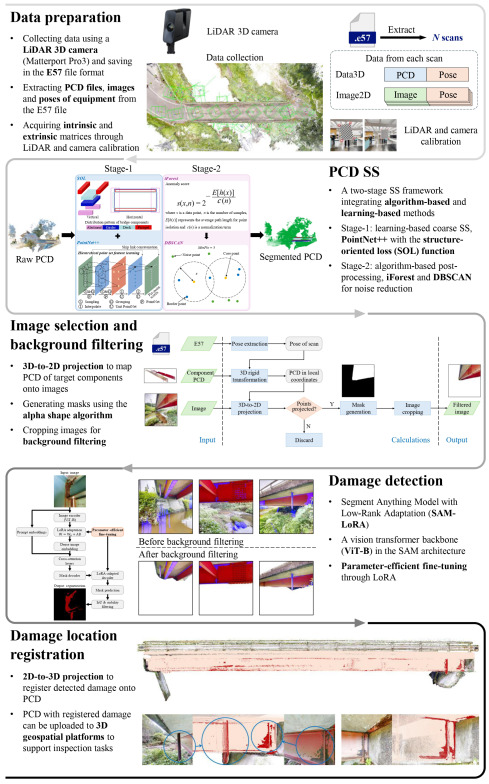
Before takeoff, operators verify wind conditions, battery levels, and no-fly zones. They confirm that the drone’s sensors are calibrated and that emergency return-to-home protocols are active. This step prevents mid-air failures over live traffic or water.
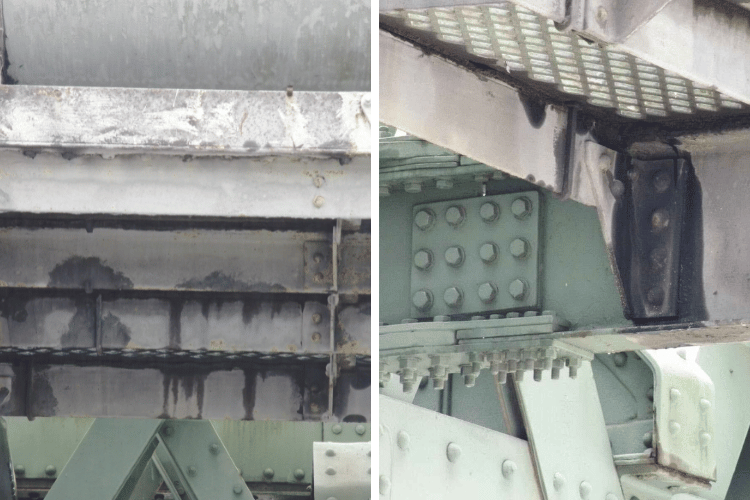
Using software, the inspector maps a 3D grid around the bridge structure. The drone follows this pre-programmed path automatically, ensuring consistent overlap between photos. This eliminates human error in positioning and guarantees that every bolt and crack is captured from the correct angle.
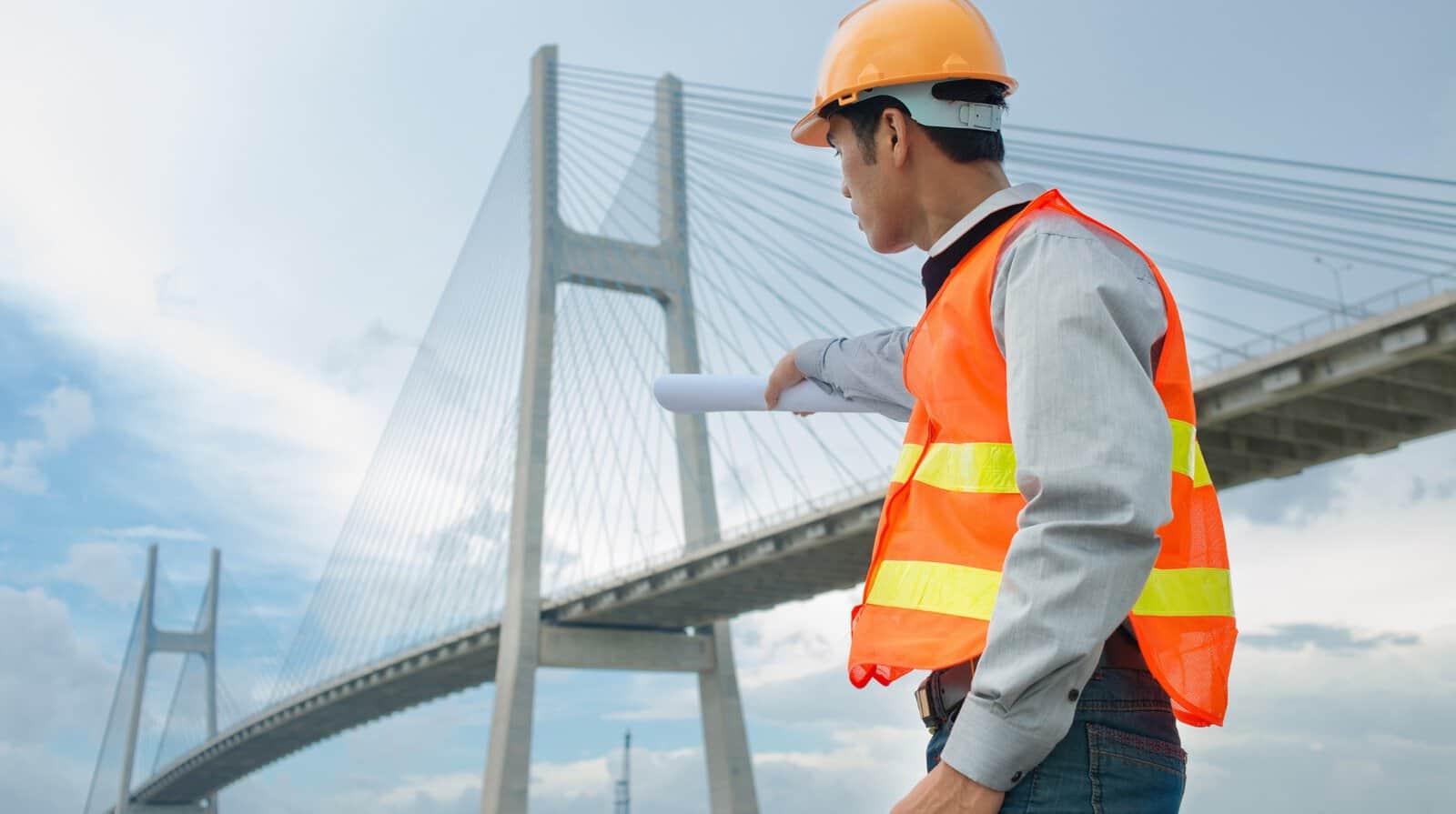
As the drone flies, it records 4K video and high-megapixel stills. Operators monitor the feed in real-time to spot immediate issues like spalling concrete or rusted cables. The camera can zoom in on specific defects without moving the drone, allowing for detailed visual documentation.
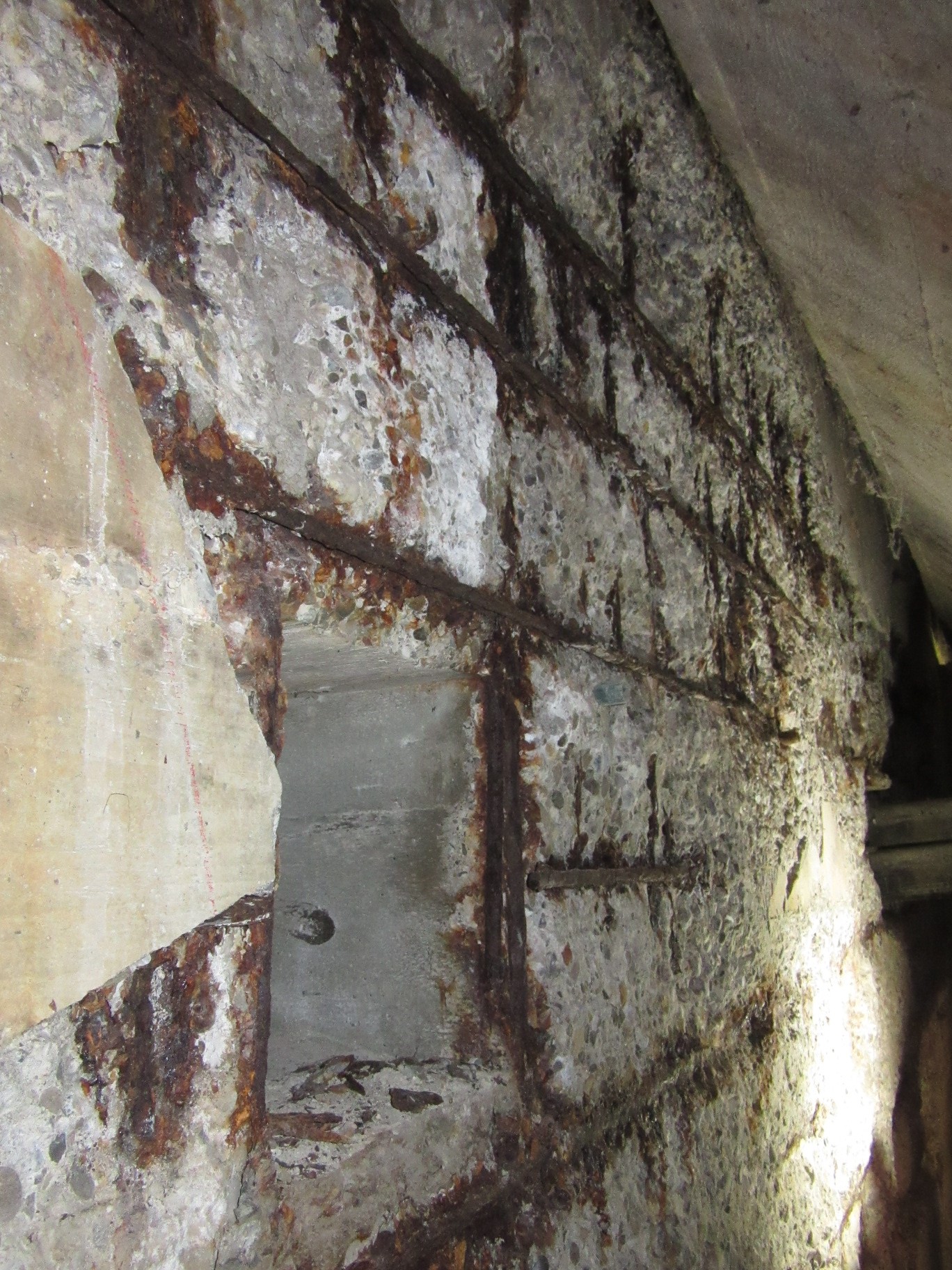
Once the flight is complete, the data is uploaded to specialized software. AI tools stitch the images into a 3D model or orthomosaic map. Engineers can then measure crack widths, track corrosion spread, and generate inspection reports digitally, replacing hours of manual sketching and note-taking.
This method reduces inspection time by up to 70% compared to traditional methods. It also provides a permanent digital record of the bridge’s condition, allowing for better long-term maintenance planning.
How AI structural analysis automates distress detection
Bridge inspections often begin with visible symptoms: cracks in the deck, spalling concrete, or rust stains on steel girders. Traditional manual inspections rely on trained inspectors to spot these issues, a process that is both time-consuming and subjective. AI structural analysis changes this by automating the identification of these distresses from imagery, significantly increasing consistency and speed.
Instead of relying solely on human eyes, AI algorithms process high-resolution images captured by drones or ground-based cameras. These models are trained to recognize specific patterns associated with structural decay. For example, an AI system can distinguish between a harmless surface hairline crack and a structural fissure that requires immediate attention. This reduces the likelihood of human error and ensures that no defect goes unnoticed due to fatigue or oversight.
The shift from manual to AI-assisted inspection offers clear advantages in efficiency and data density. While traditional methods require significant time for access and manual reporting, AI tools can process thousands of images in minutes. This allows for more frequent inspections and better long-term monitoring of bridge health.
Comparison of inspection methods
| Metric | Traditional Manual Inspection | AI-Assisted Inspection |
|---|---|---|
| Time per span | Hours to days | Minutes |
| Consistency | Subjective; varies by inspector | Objective; standardized algorithm |
| Access Risk | High; requires scaffolding or snooper trucks | Low; drone-based remote sensing |
| Data Density | Limited to visible defects | High; captures full surface metadata |
The integration of AI into bridge inspection workflows does not replace human expertise but augments it. Inspectors can focus on complex structural assessments and decision-making rather than tedious data collection. This synergy ensures that bridges remain safe while reducing the operational costs associated with traditional maintenance practices.
Monitoring trends for 2026
Bridge inspection in 2026 is shifting from periodic snapshots to continuous monitoring. Agencies are integrating sensor data directly into inspection workflows, allowing engineers to track structural health in real time rather than relying solely on visual checks every two years.
Predictive maintenance models now inform inspection cycles. Instead of fixed schedules, algorithms analyze vibration, strain, and environmental data to flag bridges that need closer scrutiny. This approach reduces unnecessary site visits while focusing resources on structures showing early signs of distress.
The 2026 Bridge Inspection Conference highlighted this shift toward digital deliverables. Consultants are no longer just submitting paper reports; they are providing interactive dashboards and raw sensor logs that integrate with existing asset management systems.
This transition changes how inspectors work on the ground. Field teams now verify sensor accuracy and calibrate devices during routine visits, ensuring the continuous data stream remains reliable. The goal is a seamless feedback loop where monitoring data triggers inspections, and inspection findings refine monitoring algorithms.
2026 bridge inspection checklist
Before sending drones or AI models into the field, engineers must verify that administrative and technical foundations are solid. A single outdated form or uncalibrated sensor can invalidate weeks of data. Use this checklist to ensure compliance with 2026 standards, covering pre-inspection planning, tech setup, and data validation.
Pre-Inspection Planning
-
Confirm inspection schedule with state DOT (e.g., Iowa DOT deadlines for US 61 in September 2026).
-
Review previous inspection reports to identify recurring defects or access challenges.
-
Secure permits for drone flights and traffic control if working near live lanes.
-
Brief the team on 2026 regulatory updates, including new AI data handling requirements.
Tech Setup
-
Calibrate LiDAR and high-resolution cameras on inspection drones.
-
Verify AI model version is updated to the latest 2026 compliance patch.
-
Test battery life and range for all UAVs; carry 20% spare capacity.
-
Ensure secure, encrypted data transfer protocols are active for field-to-cloud sync.
Data Validation
-
Cross-reference AI-generated defect maps with visual drone footage.
-
Validate structural measurements against known bridge design specifications.
-
Flag any anomalies for manual engineering review before finalizing reports.
-
Archive all raw data and metadata in compliance with 2026 retention policies.
Common questions about bridge inspection 2026
What is the hardest part of a bridge inspection? Access remains the primary bottleneck. Even with snooper trucks, tight spaces between girders and beams are often impossible to reach with standard tools. This is why 2026 rules increasingly accept drone assessments to fill those visual gaps.
How often do bridges need inspection? Federal guidelines require a detailed inspection every 24 months. However, engineers can request an earlier check if they spot severe defects or if the bridge has been impacted by a significant event like a flood or collision.
Are AI tools mandatory in 2026? Not yet. AI is currently an approved validation tool, not a replacement for licensed engineers. You still need a qualified professional to sign off on the structural integrity, but AI can help process the massive amount of data collected by drones and sensors.
Quick checklist
-
Match the sizeMake sure the bridge inspection 2026 option fits your household, storage space, and normal batch size.
-
Check the materialChoose a material that handles heat, washing, and regular use without becoming a chore.
-
Plan the cleanupAvoid anything that needs more maintenance than you are likely to give it.
-
Keep one fallbackHave a simple backup option for rushed days.
No comments yet. Be the first to share your thoughts!