Current bridge conditions and risk levels
The structural integrity of the United States' bridge network remains a persistent challenge, with a significant portion of the system requiring immediate attention. According to the American Society of Civil Engineers (ASCE) 2025 Infrastructure Report Card, the national grade for bridges has seen only marginal improvement over recent years. While the share of bridges classified as being in poor condition has declined slightly, the absolute number of structures needing repair or replacement remains high. This slow pace of rehabilitation underscores the scale of the backlog that federal and state agencies must address to maintain safe transit corridors.
The urgency of this situation is further highlighted by data from the American Association of State Highway and Transportation Officials (ARTBA). Their recent bridge report indicates that one out of every three bridges in the country still needs to be replaced or repaired. This statistic serves as a critical baseline for understanding the current risk landscape. It reflects not just the age of the infrastructure, built largely during the mid-20th century, but also the cumulative effects of increased traffic loads and environmental stressors that have outpaced previous maintenance cycles.
This deteriorating condition is the primary driver behind the legislative focus seen in 2026. The Infrastructure Investment and Jobs Act (IIJA), enacted in 2021, allocated historic funding levels specifically aimed at closing this maintenance gap. However, the sheer volume of deferred maintenance means that even with unprecedented federal investment, the transition from a state of risk to one of robust safety will require sustained effort over the coming decade. The current data suggests that while the trend is slowly improving, the immediate risk level remains elevated for a substantial segment of the nation's critical transportation assets.
Federal funding shifts under the IIJA
The Infrastructure Investment and Jobs Act (IIJA) has fundamentally altered the financial landscape for bridge infrastructure, moving federal support from a static formula to a targeted, high-volume investment model. At the center of this shift is the Bridge Formula Program, which receives a dedicated $5.5 billion allocation through the Highway Infrastructure Program through 2026. This funding mechanism is designed to address the growing backlog of structurally deficient bridges identified in recent ASCE condition reports, providing states with the capital necessary to prioritize critical repairs and replacements.
Unlike previous appropriations that were often diluted across broader highway categories, the IIJA’s Bridge Formula Program creates a distinct financial stream for bridge-specific projects. This specificity allows state departments of transportation (DOTs) to plan long-term maintenance schedules with greater certainty. The ARTBA has noted that this dedicated funding is essential for stabilizing the nation’s aging bridge inventory, which continues to face increasing stress from heavier commercial traffic and climate-related wear. By isolating bridge funding, the legislation ensures that capital is not diverted to general roadway improvements, keeping the focus squarely on structural integrity.
The multi-year commitment extends through the end of 2026. This timeline allows states to submit comprehensive project lists and begin procurement processes without the uncertainty of annual appropriations battles. For legal and regulatory compliance, this structured funding period establishes a clear window for states to meet federal safety standards and avoid potential penalties or loss of future highway funds. The predictability of this funding stream is a significant departure from the volatile funding environments of the past decade.
As states move to deploy these funds, the emphasis is on data-driven decision-making. Projects must align with the condition data published by ASCE and other regulatory bodies to qualify for the highest priority status. This requirement ensures that the allocation is directed toward bridges that pose the greatest risk to public safety and economic mobility. The IIJA’s framework thus serves as both a financial lifeline and a regulatory catalyst, forcing a more rigorous approach to bridge maintenance and modernization across all jurisdictions.
The shift to continuous structural health monitoring
The inspection of bridge infrastructure is undergoing a fundamental change. For decades, safety assessments relied on periodic manual inspections by engineers. This traditional model creates blind spots between visits, leaving critical structural changes undetected until they become visible defects. The American Society of Civil Engineers (ASCE) has long highlighted that a significant portion of the nation's 617,000 bridges are either structurally deficient or functionally obsolete, underscoring the limitations of static, snapshot-based evaluations.
Artificial intelligence and smart sensor technology are replacing manual processes with continuous structural health monitoring (SHM). These systems deploy networks of sensors directly onto bridge components to measure strain, vibration, temperature, and displacement in real time. By feeding this data into machine learning algorithms, agencies can detect subtle anomalies that precede structural failure. This transition allows departments of transportation to move from scheduled maintenance to condition-based interventions, significantly reducing the risk of catastrophic events.
The urgency of this technological adoption is driven by both aging infrastructure and new federal mandates. The 2021 legislation provides historic funding levels for bridge repairs and modernization. Crucially, the law ties a portion of federal bridge funding to the implementation of advanced inspection technologies. States that fail to adopt modern monitoring systems may face restrictions on accessing these vital funds.
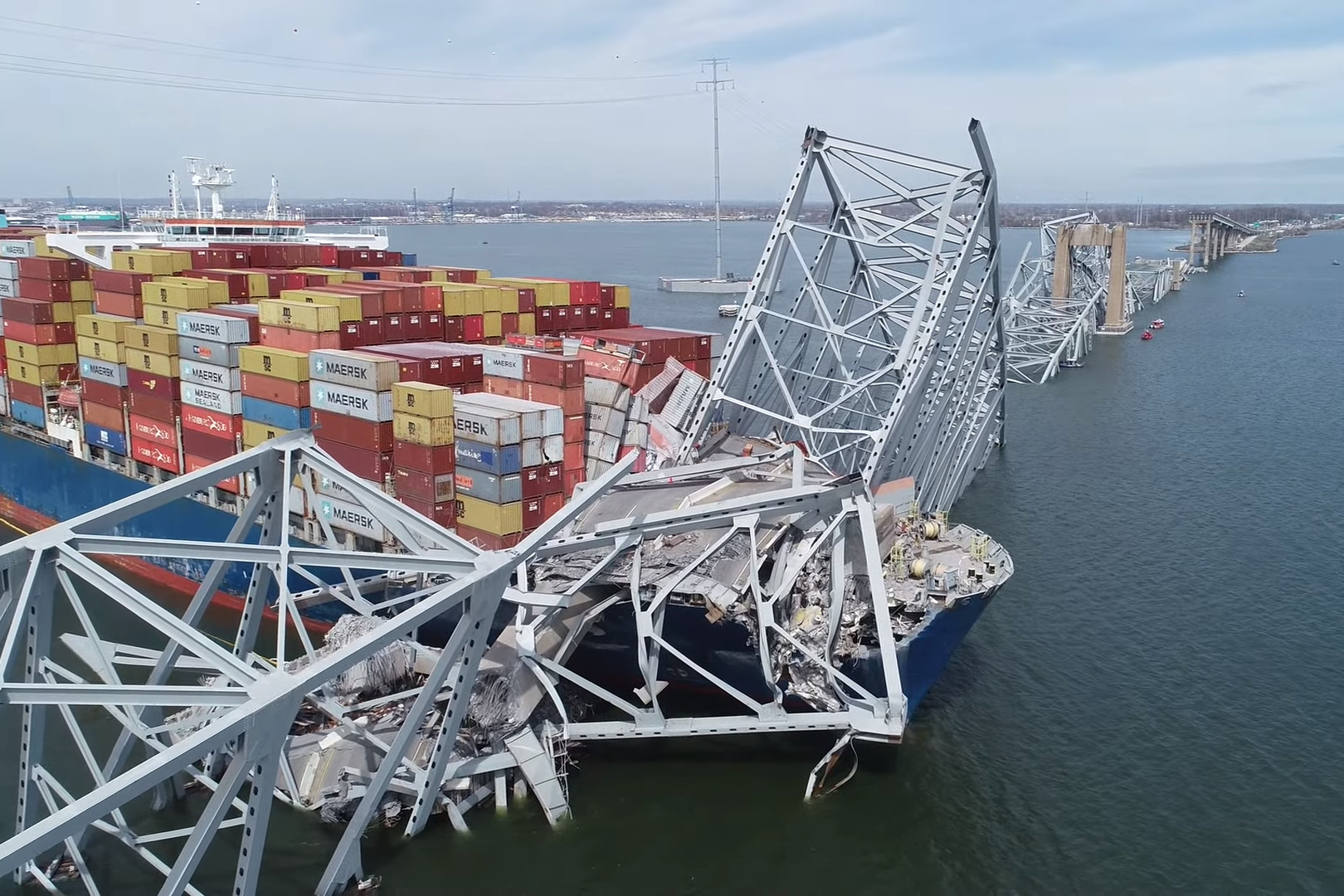
The Francis Scott Key Bridge collapse in 2024 served as a stark reminder of the consequences of delayed structural intervention. While the immediate cause was a ship collision, the incident accelerated federal interest in SHM as a way to monitor impact resilience and structural integrity continuously. The National Transportation Safety Board (NTSB) and the Federal Highway Administration (FHWA) are now pushing for broader adoption of these technologies across all major spans.
For legal and regulatory professionals, understanding this shift is essential. The standard of care for bridge maintenance is evolving from periodic visual checks to continuous data-driven oversight. Agencies that ignore these technological mandates risk not only structural failure but also increased liability exposure. As the ASCE and ARTBA continue to update their condition reports, the integration of AI and smart sensors is becoming the baseline for compliant bridge management in 2026 and beyond.
Compliance requirements for agencies
State DOTs and local bridge owners must align their maintenance and inspection protocols with federal mandates to secure funding. The 2021 legislation ties billions in Bridge Formula Program appropriations to rigorous reporting standards. Under current law, agencies must demonstrate that they are meeting the National Bridge Inspection Standards (NBIS) and submitting accurate data to the National Bridge Inventory.
The American Society of Civil Engineers (ASCE) emphasizes that compliance is no longer optional; it is the baseline for accessing the allocated funds through 2026. Failure to maintain up-to-date inspection records or to address critical deficiencies within mandated timeframes can result in funding penalties or withholding. Local agencies often struggle with the administrative burden of these requirements, particularly when managing older bridge portfolios.
To navigate these obligations, agencies should adopt a structured approach to documentation and reporting. The following checklist outlines the core compliance steps required for 2026 funding eligibility.
-
Conduct NBIS-compliant inspections on all bridges in the inventory.
-
Update National Bridge Inventory records within 30 days of inspection.
-
Submit annual bridge condition reports to the FHWA.
-
Prioritize repairs for structurally deficient bridges within mandated timelines.
-
Maintain digital records of inspection photos and engineering assessments.
Upcoming industry conferences and standards
The 2026 regulatory landscape for bridge infrastructure is being shaped in real time through federal mandates and technical consensus. With the 2021 legislation driving significant funding toward inspection and maintenance, professional organizations are accelerating the development of new safety protocols. These standards will directly influence compliance requirements for state departments of transportation and private asset owners.
The International Association for Bridge Maintenance and Safety (IABMAS) is scheduled to host its Thirteenth International Conference in Orlando, Florida, from July 6–10, 2026. This gathering will serve as a primary venue for finalizing updates to bridge management guidelines and reviewing the latest data on structural integrity. Attendees will include engineers, regulators, and policy makers focused on implementing the IIJA’s safety provisions.
ASCE and ARTBA continue to provide the condition data that underpins these discussions. Their reports highlight the growing gap between aging infrastructure and available maintenance resources, reinforcing the need for standardized inspection technologies. Stakeholders are expected to align their 2026 operational plans with the consensus standards emerging from these conferences.
Frequently asked questions about bridge safety
This section addresses common inquiries regarding the IIJA funding timelines, federal inspection mandates, and the integration of advanced monitoring technologies. The information reflects current regulatory frameworks and ASCE condition data.
No comments yet. Be the first to share your thoughts!