
2026 collapse incidents and immediate context
The anniversary of the Francis Scott Key Bridge collapse in Baltimore, Maryland, marked a somber milestone for federal infrastructure policy in March 2026. Two years after the span failed, the incident remains a primary reference point for ongoing safety mandates. The collapse killed six workers, blocked a critical shipping channel, and severed a vital highway link, exposing vulnerabilities in aging bridge structures that now drive regulatory scrutiny across multiple jurisdictions.
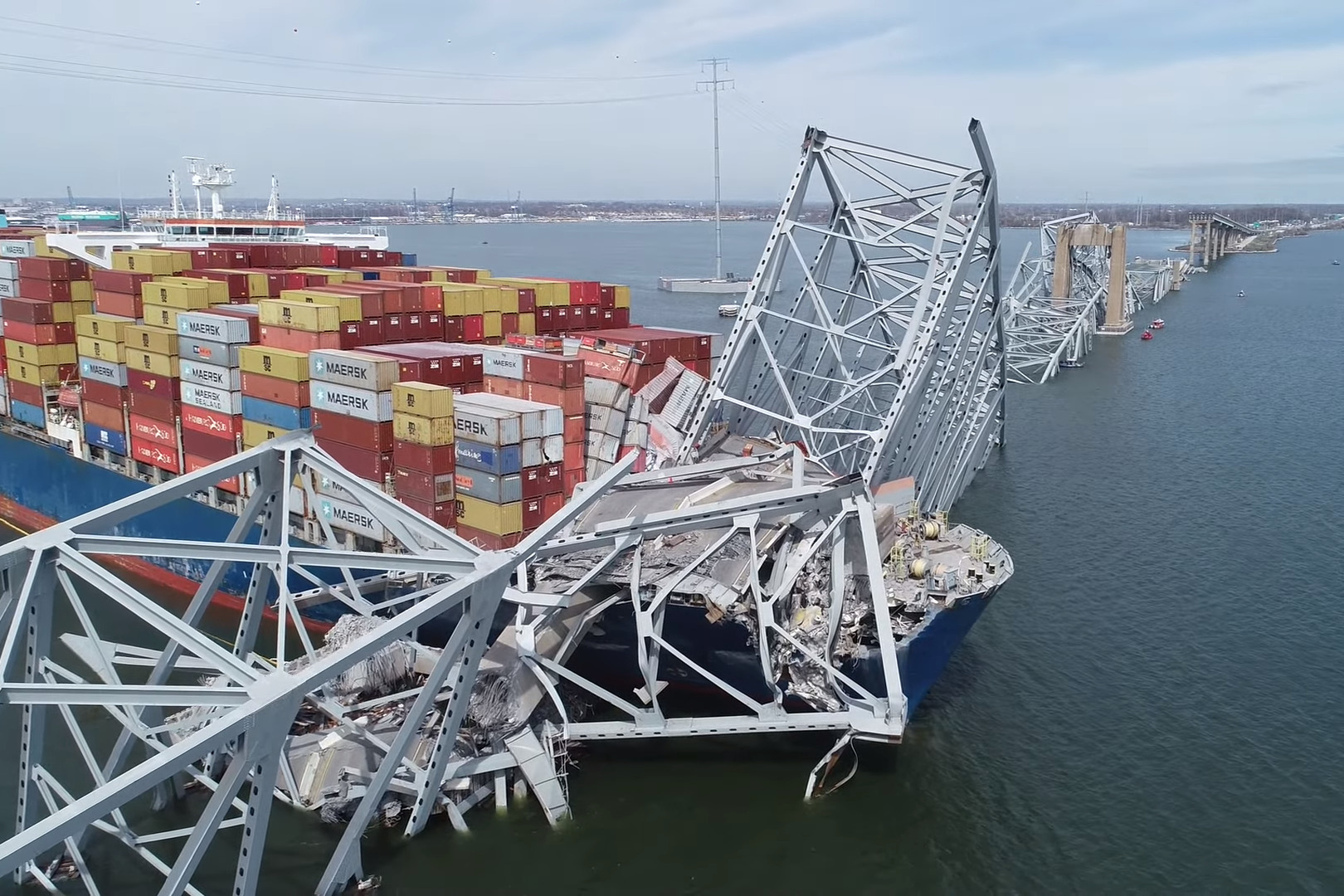
While the Key Bridge anniversary dominated headlines, other structural failures underscored the breadth of the crisis. In January 2026, a bridge collapse in Wheeling, West Virginia, injured three workers and disrupted local commerce. This incident, occurring just months before the Baltimore anniversary, highlighted that the risks facing aging infrastructure are not isolated to one region or one type of failure.
These events have forced federal agencies and state DOTs to reassess inspection protocols and monitoring technologies. The convergence of high-profile collapses in Maryland and West Virginia has accelerated the push for mandatory real-time structural health monitoring on critical spans. As the regulatory landscape shifts, the focus remains on preventing future failures through stricter oversight and advanced technological integration.
Federal mandates for structural health monitoring
The collapse of the Francis Scott Key Bridge in Baltimore has triggered a fundamental shift in how the United States manages critical infrastructure. What was once a voluntary, inspection-based model is rapidly becoming a mandatory, continuous monitoring regime. Following the March 2026 anniversary of the disaster, federal agencies and state jurisdictions are moving to enforce real-time structural health monitoring (SHM) on bridges classified as critical.
The U.S. Department of Transportation has emphasized that the static nature of traditional inspections—often conducted annually or biennially—is insufficient for detecting sudden, catastrophic failures. The new federal mandates focus on integrating sensor networks that provide continuous data on stress, vibration, and structural integrity. This shift is particularly acute in jurisdictions like Maryland and West Virginia, where aging infrastructure intersects with heavy commercial traffic.
Legislative proposals emerging from the 119th Congress aim to tie federal highway funding to the adoption of these advanced monitoring technologies. The goal is to create a national baseline for data collection, ensuring that critical assets are not just inspected, but actively watched. This approach transforms bridge maintenance from a reactive process into a predictive one, leveraging AI-driven analytics to identify anomalies before they lead to failure.
While the technical implementation varies by state, the regulatory pressure is uniform. Federal guidelines now treat structural health monitoring not as an optional upgrade, but as a core component of bridge safety compliance. This mandate reflects a broader industry recognition that the scale and complexity of modern infrastructure require a more dynamic, data-centric approach to preservation and safety.
AI and sensor technology in bridge maintenance
Two years after the March 2026 collapse of the Key Bridge in Baltimore, Maryland, federal and state regulators are accelerating the deployment of structural health monitoring systems. The incident has shifted the focus from reactive repairs to proactive, data-driven maintenance protocols. Agencies in Maryland and West Virginia are now prioritizing the integration of artificial intelligence and advanced sensor networks to detect structural fatigue before it leads to catastrophic failure.
The new mandates emphasize the use of smart sensors embedded within bridge infrastructure. These devices continuously measure strain, vibration, and corrosion levels, transmitting real-time data to central monitoring stations. Unlike traditional manual inspections, which occur at fixed intervals, these systems provide a constant stream of information. This shift allows engineers to identify anomalies instantly, reducing the window of vulnerability between damage occurrence and detection.
Artificial intelligence analytics play a critical role in interpreting this vast amount of data. Machine learning algorithms analyze historical and live sensor feeds to predict potential failure points with greater accuracy than human inspectors alone. The Federal Highway Administration has outlined guidelines for implementing these technologies, aiming to standardize monitoring across major infrastructure projects. This technological upgrade is not merely an enhancement but a regulatory requirement for many high-risk structures.
The implementation of these systems marks a significant departure from previous maintenance standards. By leveraging AI and sensor technology, transportation departments can allocate resources more efficiently and improve overall public safety. The goal is to create a resilient infrastructure network that can withstand unexpected stresses and aging conditions. As these technologies become more widespread, the industry is moving toward a model where data integrity is as important as physical construction.
Timeline of regulatory responses and rebuilds
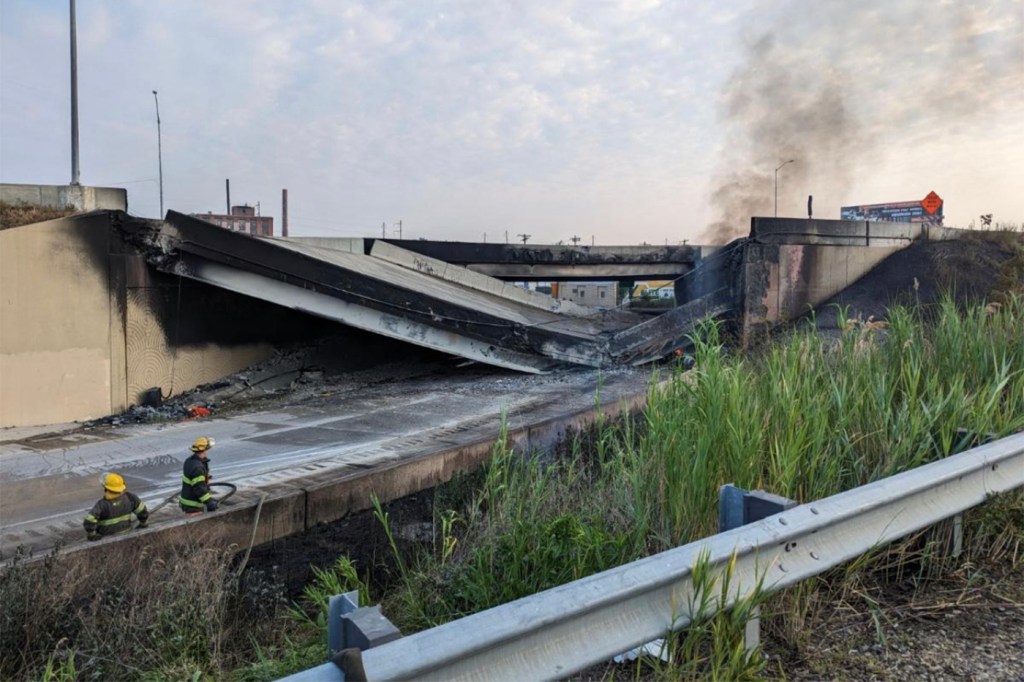
The collapse of the Francis Scott Key Bridge in March 2024 triggered immediate federal intervention and a rapid overhaul of safety mandates. In the months following the disaster, the U.S. Department of Transportation issued emergency directives requiring inspections of all similar steel truss bridges across the nation. These initial regulatory responses focused on identifying structural vulnerabilities and implementing temporary monitoring protocols to prevent further catastrophic failures.
By early 2025, the focus shifted from emergency inspection to long-term legislative reform. Congress advanced provisions within the infrastructure framework that mandated enhanced collision protection for critical navigation channels. State-level agencies in Maryland and West Virginia began coordinating with federal bodies to establish stricter shipping guidelines and updated structural integrity standards for aging infrastructure. These measures were designed to address the systemic gaps exposed by the Key Bridge failure.
The two-year anniversary in March 2026 marked a significant milestone in both the rebuild effort and regulatory enforcement. As reported by Maryland Matters and CNN, the new bridge construction is progressing alongside the finalization of national safety codes. The Federal Highway Administration continues to monitor compliance with the new mandates, ensuring that the rebuilt infrastructure meets the heightened safety standards established in the wake of the collapse. This timeline illustrates a shift from reactive measures to proactive, technology-driven safety protocols.
Compliance checklist for infrastructure owners
As the March 2026 anniversary of the Baltimore Key Bridge collapse approaches, state and federal agencies face heightened scrutiny regarding structural health monitoring (SHM) mandates. The Federal Highway Administration (FHWA) and state DOTs, including Maryland and West Virginia, are enforcing stricter compliance timelines for high-risk bridges. Infrastructure owners must align their asset management strategies with these new regulatory expectations to mitigate liability and ensure public safety.
The following checklist outlines the essential steps for compliance with current structural health monitoring standards. These actions reflect the shift toward real-time data integration and proactive maintenance protocols identified in recent DOT reports.

- Audit Existing SHM Installations: Verify that all sensors on critical infrastructure are operational and transmitting data to central dashboards. Replace legacy hardware that fails to meet current bandwidth or accuracy standards.
- Implement Real-Time Data Integration: Ensure bridge monitoring systems feed directly into asset management platforms. This allows for immediate anomaly detection rather than retrospective analysis after inspection cycles.
- Review Inspection Protocols: Update manual inspection schedules to complement automated monitoring. Align field data with digital twin models to identify discrepancies between sensor readings and physical conditions.
- Document Compliance Evidence: Maintain detailed records of sensor calibration, data integrity checks, and maintenance logs. These documents are critical for demonstrating due diligence during federal audits or insurance reviews.
- Train Personnel on New Mandates: Conduct regular training for engineers and inspectors on updated federal guidelines. Ensure staff can interpret real-time alerts and respond to system-generated warnings appropriately.
Common questions on bridge safety regulations
The following questions address the immediate regulatory shifts and technology mandates emerging from the March 2026 anniversary of the Key Bridge collapse in Maryland. These updates reflect current federal and state-level directives on structural monitoring and safety compliance.
No comments yet. Be the first to share your thoughts!