Spot the flood damage signs
Water is the primary enemy of bridge infrastructure. After heavy rain or rising river levels, immediate visual inspection can reveal critical weaknesses before they lead to structural failure. Focus on these specific physical symptoms to assess the bridge's condition accurately.
Scour and Pier Instability
Scour—where flowing water erodes the soil around bridge foundations—is the leading cause of bridge collapse during floods. Inspect the areas around piers and abutments for exposed rebar, missing concrete, or deep hollows where the ground should be solid. If the water has receded recently, look for new channels or sediment deposits that indicate where the current has shifted aggressively. This erosion undermines the bridge's support, making it vulnerable to sudden failure under normal traffic loads.
Spalling and Concrete Degradation
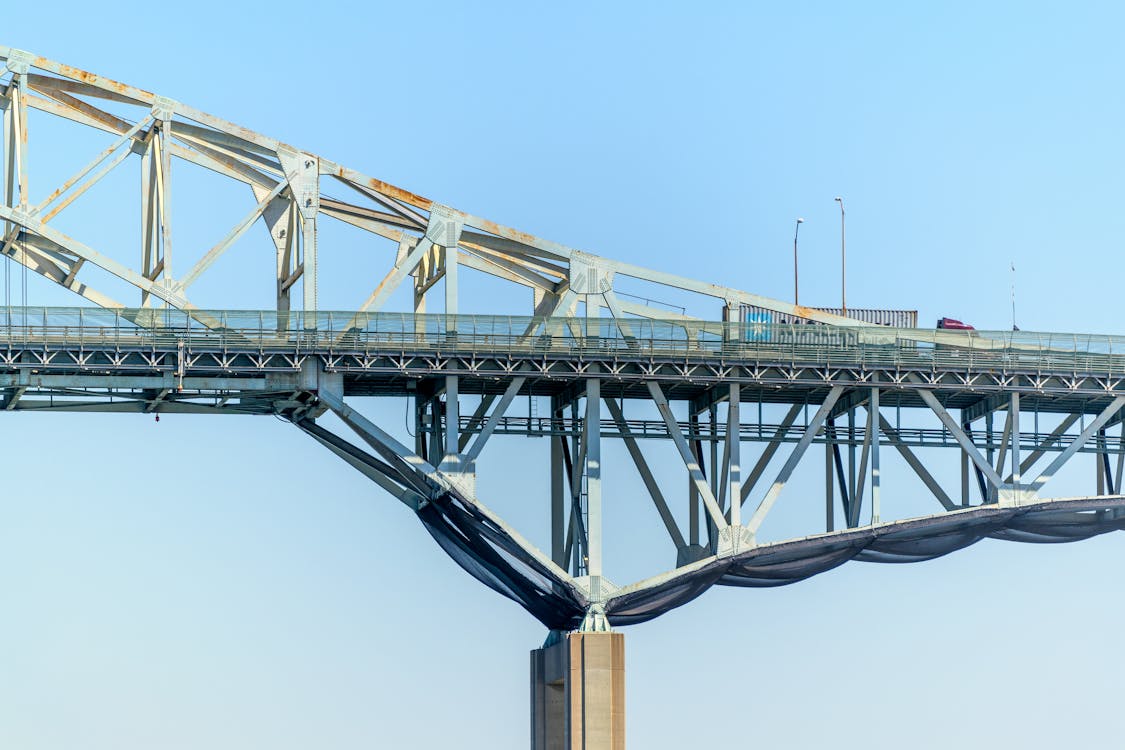
Look for "spalling," where the concrete surface flakes or breaks away, exposing the steel reinforcement bars underneath. This often happens when water seeps into cracks, freezes, expands, and then thaws. Check the underside of the deck and the vertical faces of pillars for dark stains, which indicate ongoing water leakage. White, chalky deposits (efflorescence) are another sign that water is moving through the concrete, carrying salts to the surface. These defects allow moisture to reach the steel, accelerating rust and weakening the structure.
Cracks and Joint Failures
Examine expansion joints and bearings for signs of failure. If joints are clogged with debris or broken, water cannot drain properly, leading to pooling on the deck. This standing water eventually seeps into the substructure. Look for new or widening cracks in the deck surface, especially those running perpendicular to the traffic flow. These cracks often signal that the bridge is settling unevenly or that the internal supports are compromised. Any visible displacement of bearings or rollers is a serious red flag that requires immediate professional attention.
Run the structural integrity check
When rising waters threaten bridge foundations, immediate diagnostic action is required to determine if a structure remains safe for traffic. The Federal Highway Administration identifies over 221,800 bridges in the U.S. needing major repair or replacement, making rapid assessment critical during flood events [src-serp-4]. This section outlines the immediate steps engineers and officials should take to evaluate structural integrity before deciding on traffic restrictions or closures.
1. Visual Inspection of Substructure and Foundations
Begin with a detailed visual inspection of the bridge substructure, focusing on piers, abutments, and scour areas. Look for signs of erosion, exposed foundations, or undermining caused by flowing water. Use binoculars or drones if direct access is unsafe due to high water levels. Document any visible cracks, spalling, or displacement in concrete and steel components. This initial assessment helps identify obvious structural compromises that may require immediate traffic restrictions.
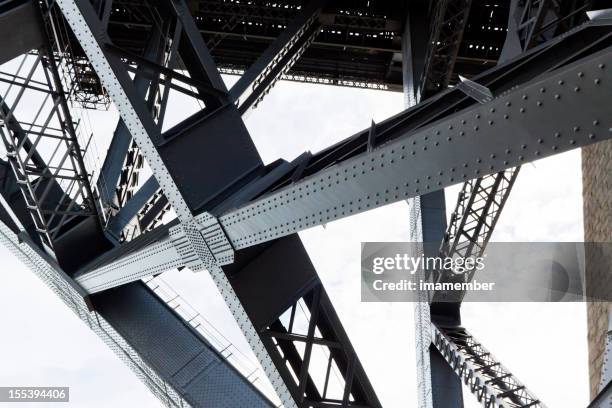
Examine piers, abutments, and scour zones for erosion, exposed foundations, or undermining. Use binoculars or drones for safety. Document visible cracks, spalling, or displacement in concrete and steel. This assessment identifies obvious structural compromises requiring immediate traffic restrictions.
2. Check for Scour and Erosion Damage
Scour—the removal of soil around bridge foundations by flowing water—is the leading cause of bridge failure during floods. Measure water depth and velocity near foundations if possible. Look for exposed rebar, displaced stones, or sediment deposition patterns that indicate active scour. Compare current conditions with pre-flood baseline data if available. Severe scour may require immediate closure until professional hydraulic and geotechnical assessments are completed.
Scour, the removal of soil around bridge foundations by flowing water, causes most flood-related bridge failures. Measure water depth and velocity near foundations when possible. Look for exposed rebar, displaced stones, or sediment patterns indicating active scour. Severe scour may require immediate closure until professional assessments are completed.
3. Evaluate Superstructure and Deck Condition
Inspect the bridge deck, girders, and superstructure for water damage, corrosion, or structural deformation. Check for deck joint failures, bearing displacement, or signs of excessive deflection. Look for corrosion on steel components, especially in areas where water has pooled or splashed. Test load-bearing capacity if specialized equipment is available. Any significant deformation or corrosion may indicate the bridge cannot safely support normal traffic loads.
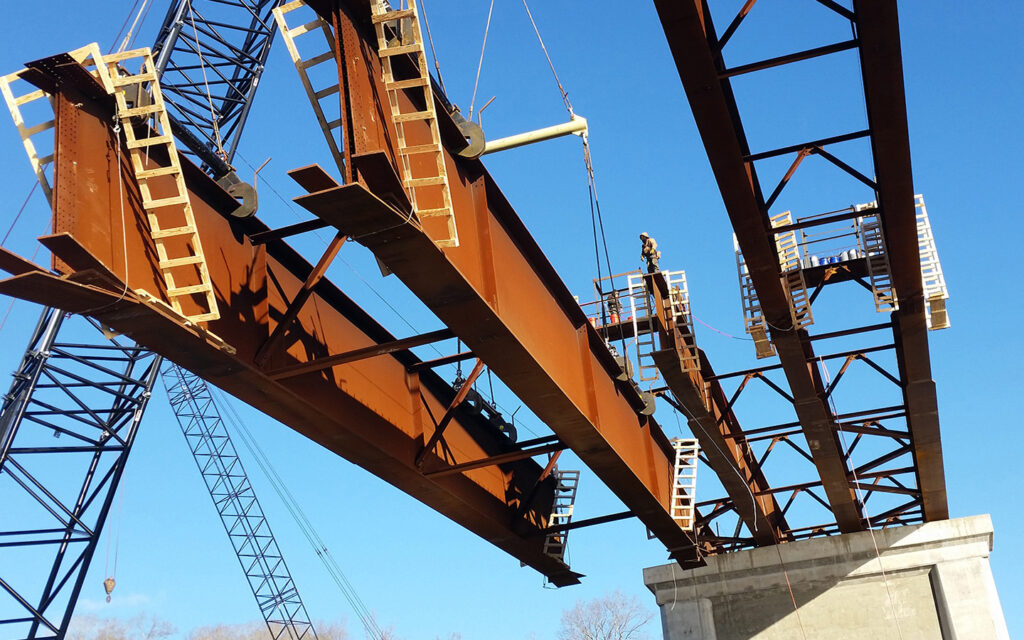
Inspect the deck, girders, and superstructure for water damage, corrosion, or deformation. Check for deck joint failures, bearing displacement, or excessive deflection. Look for corrosion on steel components where water has pooled. Test load-bearing capacity if equipment is available. Significant deformation or corrosion may indicate the bridge cannot safely support normal traffic.
4. Conduct Load Testing and Monitoring
If visual inspection reveals potential issues but no immediate danger is apparent, conduct load testing using calibrated weights or monitored traffic. Install strain gauges, displacement sensors, or accelerometers to monitor structural response under load. Compare readings with design specifications and historical baseline data. Persistent anomalies in strain or displacement patterns may indicate hidden structural weaknesses requiring professional engineering evaluation before reopening.
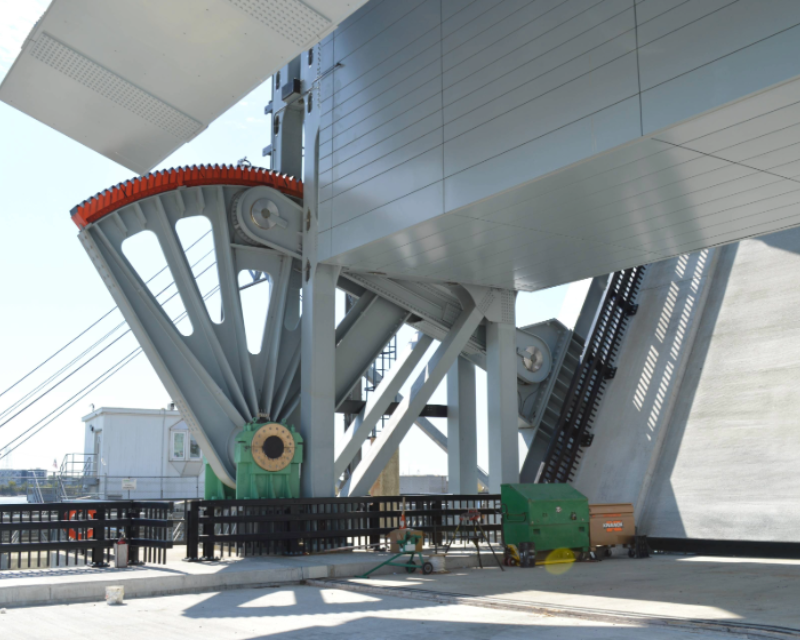
If visual inspection reveals potential issues without immediate danger, conduct load testing using calibrated weights or monitored traffic. Install strain gauges, displacement sensors, or accelerometers to monitor structural response. Compare readings with design specifications and historical data. Persistent anomalies may indicate hidden weaknesses requiring professional evaluation before reopening.
5. Implement Safety Measures and Documentation
Based on assessment findings, implement appropriate safety measures such as weight restrictions, lane closures, or full closures. Document all inspection findings, measurements, and decisions with photographs and written reports. Notify relevant transportation authorities and emergency management agencies. Establish a monitoring schedule for ongoing assessment as water levels change. Proper documentation supports future repair planning and may be required for federal funding applications under programs like the Bridge Investment Program [src-serp-1].
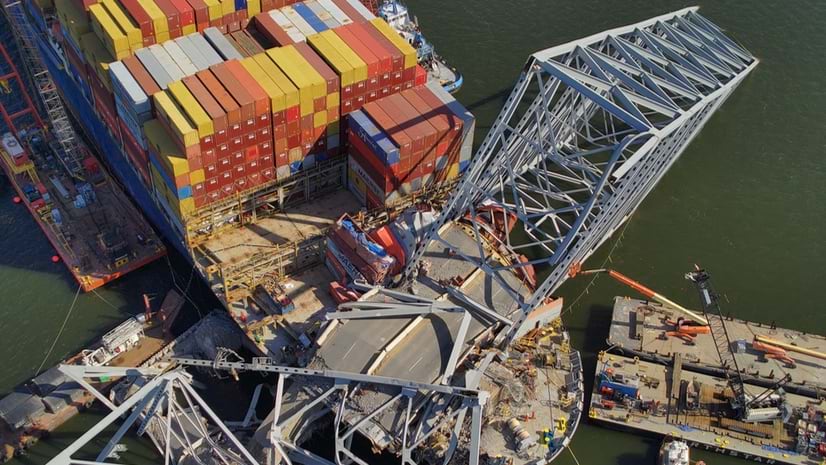
Based on findings, implement weight restrictions, lane closures, or full closures. Document all inspection findings, measurements, and decisions with photographs and reports. Notify transportation authorities and emergency management agencies. Establish monitoring schedules as water levels change. Documentation supports future repair planning and may be required for federal funding applications.
-
Substructure inspection complete: piers, abutments, scour zones assessed
-
Scour depth and erosion patterns documented with measurements
-
Superstructure and deck condition evaluated for corrosion and deformation
-
Load testing conducted if visual inspection indicated potential issues
-
Safety measures implemented: weight limits, closures, or monitoring established
-
All findings documented with photographs and written reports
-
Relevant authorities notified and monitoring schedule established
Apply the right reinforcement fix
When water compromises a bridge, the repair strategy depends on the specific failure mode. Scour—the erosion of streambed material around piers—is the leading cause of bridge collapse. Without addressing the foundation, surface repairs on the superstructure are temporary. Engineers must first diagnose whether the threat is hydraulic (scour) or chemical (material degradation) before selecting a reinforcement method.
Scour Countermeasures
Stabilizing the streambed is the priority for bridges in active waterways. Riprap (large stone armor) is the most common fix, providing immediate protection against high-velocity flows. For deeper channels or tighter spaces, engineered riprap or articulated concrete blocks offer higher stability. In urban settings where space is limited, spur dikes or channel straightening may be necessary to redirect flow away from piers. These measures buy time but require periodic inspection to ensure stones haven't shifted.
Material Upgrades
Once the foundation is secure, the superstructure needs protection from ongoing water exposure. Concrete carbonation and chloride-induced rebar corrosion are the primary culprits for structural decay. Cathodic protection systems can halt active corrosion in existing rebar by making the steel a cathode in an electrochemical cell. For new construction or major rehabilitation, epoxy-coated rebar or stainless steel reinforcement offers long-term resistance to chloride ingress. High-performance concrete with low permeability is also critical for extending the lifespan of decks and piers.
Cost and Longevity Comparison
Choosing the right fix involves balancing upfront costs against maintenance frequency. The table below compares common reinforcement strategies based on typical engineering data.
| Method | Est. Cost | Expected Life | Maintenance |
|---|---|---|---|
| Riprap Armor | Low | 10-20 years | Periodic inspection |
| Cathodic Protection | High | 20-30 years | Annual monitoring |
| Epoxy-Coated Rebar | Medium | 15-25 years | Low |
| Stainless Steel Rebar | Very High | 50+ years | Minimal |
Secure federal bridge funding
States and local agencies facing deteriorating spans can tap into the Bridge Investment Program (BIP) for FY 2026. The federal government has set aside up to $3.0 billion in remaining funds from the FY 2025 and FY 2026 allocations to finance critical repairs and upgrades [src-serp-8]. Accessing these funds requires a structured approach to eligibility and application preparation.
The BIP offers two primary grant categories. Large Bridge Project Grants target projects with total eligible costs exceeding $100 million, focusing on structurally deficient bridges. Bridge Project Grants cover smaller-scale repairs and upgrades for bridges that do not meet the large project threshold. Verify your project's scope against these thresholds to identify the correct funding stream.
All BIP applications must be submitted through your state’s Department of Transportation (DOT). The Federal Highway Administration (FHWA) oversees the program but does not accept direct applications from local agencies. Contact your state DOT early to confirm their specific submission windows and technical requirements for FY 2026 funding.
A competitive application requires detailed engineering assessments and precise cost estimates. Document the current structural condition, safety risks, and proposed repair methods. Ensure all cost projections align with federal guidelines for eligible project expenses, including design, construction, and right-of-way acquisition.
Once your state DOT approves the submission, the application is filed through the federal Grants.gov portal. The system requires specific opportunity numbers for the Bridge Investment Program. Double-check all documentation for completeness before final submission to avoid delays in the review process.

After submission, the FHWA reviews applications based on technical merit and strategic importance. Award notifications are issued through Grants.gov. Successful applicants must then negotiate a grant agreement with the FHWA before funds are disbursed. Plan your project timeline to account for this administrative phase.
Common Inspection Mistakes
Inspections that miss the subtle signs of water damage often lead to catastrophic underestimations of risk. When inspectors focus solely on visible concrete spalling or surface rust, they frequently overlook the internal corrosion of prestressing strands and the deterioration of bearing pads hidden beneath the deck. This myopic view creates a false sense of security, delaying critical repairs until structural integrity is already compromised.
One prevalent error is ignoring the condition of expansion joints and drainage systems. Water trapped in these areas accelerates corrosion in steel components that are difficult to access and replace. Inspectors must check for clogged scuppers and cracked sealants, as even minor water retention can lead to significant structural decay over time. According to recent infrastructure assessments, hundreds of thousands of bridges require major repair, yet many inspections fail to document these early-stage water intrusion issues.
Another common oversight involves the substructure. Inspectors often neglect to thoroughly examine pier caps and abutments for scour or erosion, which are primary failure points during flood events. A superficial check of the superstructure without assessing the foundation’s stability leaves a critical gap in the risk assessment. Proper inspection requires a holistic view, treating the bridge as an interconnected system where water damage in one area inevitably impacts others.
Bridge safety questions answered
When floodwaters rise, the primary concern is whether the structure can withstand the hydraulic forces. The Federal Highway Administration (FHWA) monitors bridge conditions through the National Bridge Inventory, which tracks structural health and scour vulnerabilities. Understanding how these systems work helps clarify what makes a bridge safe during extreme weather events.
Regular maintenance and proactive engineering are essential for long-term safety. The FHWA offers detailed resources on bridge investment programs and structural assessment protocols. For official guidance on bridge safety standards, visit the FHWA Bridge Investment Program.
Quick checklist
-
Verify substructure stabilityInspect piers and abutments for scour, erosion, or exposed foundations immediately after water recedes.
-
Assess deck and jointsCheck for spalling, cracking, and clogged expansion joints that trap water and accelerate corrosion.
-
Document all findingsRecord measurements, photos, and observations to support repair planning and funding applications.
-
Implement safety restrictionsApply weight limits or closures until professional engineering evaluation confirms structural integrity.
No comments yet. Be the first to share your thoughts!