The 2026 bridge safety landscape
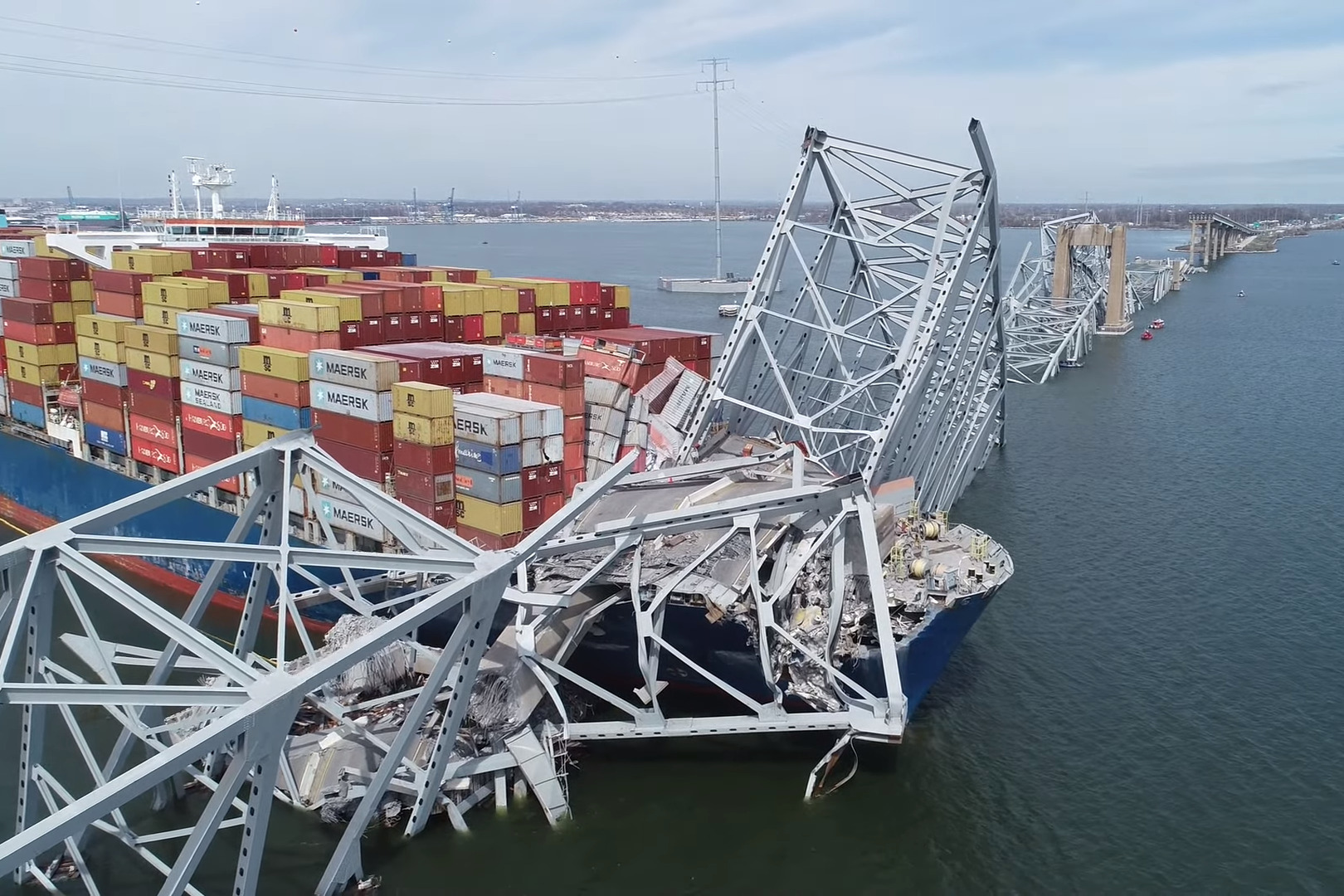
The collapse of the Francis Scott Key Bridge in Baltimore serves as the defining incident for bridge safety in 2026. This event shifted the national conversation from routine maintenance to urgent, proactive monitoring. Before the collision, existing infrastructure relied heavily on reactive repairs. Now, the focus is on preventing disasters through advanced oversight and structural reinforcement.
The scope of the risk is widespread. Bridges from San Diego to Philadelphia face significant threats from ship collisions and aging infrastructure. According to reporting by Politico, efforts to protect these critical assets are moving slowly. While some jurisdictions are installing pier protection systems on existing bridges, many still await replacement or comprehensive upgrades.
This shift marks a departure from the past. The industry is no longer waiting for failures to occur before acting. Instead, 2026 is characterized by a push for real-time data and immediate intervention capabilities. The goal is to identify vulnerabilities before they become catastrophic failures.
AI structural health monitoring systems
AI structural health monitoring systems represent a shift from reactive repairs to proactive preservation. While traditional inspections rely on periodic human observation, AI-driven sensors provide continuous data on stress, corrosion, and structural anomalies. This approach allows engineers to identify vulnerabilities long before they become visible or dangerous.
The contrast between these methods is significant. Manual inspections are often sparse, leaving large gaps in data coverage. In contrast, modern sensor networks capture real-time information, feeding it into analytics platforms that can predict potential failure points. This continuous monitoring is essential for aging infrastructure, where the cost of failure far exceeds the cost of maintenance.
The following table compares the capabilities of traditional inspection methods against AI-driven monitoring systems.
| Feature | Traditional Inspection | AI Structural Monitoring |
|---|---|---|
| Frequency | Periodic (e.g., biennial) | Continuous (24/7) |
| Data Type | Visual observations, manual notes | Real-time sensor data (strain, vibration, corrosion) |
| Detection Timing | After visible damage occurs | Early-stage anomalies and trends |
| Coverage | Limited to accessible areas | Comprehensive, including hidden structural elements |
| Analysis Method | Human expert interpretation | Automated pattern recognition and predictive modeling |
Smart infrastructure design standards
The engineering landscape for bridge safety is shifting from reactive repairs to proactive, resilient design. In 2026, infrastructure upgrades focus on mitigating specific collision and environmental risks through standardized smart infrastructure design standards. These changes address vulnerabilities exposed by recent incidents, prioritizing structural integrity against both maritime impacts and extreme weather events.
Pier protection systems
Pier protection systems are now a primary defense against ship collisions. Engineers are installing reinforced concrete or steel fender systems around bridge piers in high-traffic waterways. These structures absorb impact energy, preventing direct damage to the load-bearing columns. As noted in recent industry analysis, these systems can be retrofitted onto existing bridges, providing immediate protection while longer-term replacement projects are planned. This approach balances immediate safety needs with the logistical constraints of aging infrastructure.
Flood-resilient design
Flood-resilient design standards have been updated to account for rising water levels and increased debris flow. New guidelines require bridges to be designed higher than historic flood levels, reducing the risk of uplift forces and debris impact on supports. Engineers are also modifying pier shapes to reduce drag and prevent debris accumulation during floods. These modifications are critical in regions prone to severe weather, ensuring that bridges remain operational and structurally sound during extreme events.
Seismic-shear vulnerability
For bridges in seismic zones, new methodologies evaluate shear vulnerability more rigorously. Projects like those by the Washington State Department of Transportation (WSDOT) are developing updated evaluation techniques to identify and reinforce weak points. These methods focus on preventing collapse by strengthening connections and supports, ensuring that bridges can withstand significant ground movement without catastrophic failure.
-
Install reinforced pier protection systems in high-traffic waterways
-
Raise bridge clearance above historic flood levels
-
Modify pier shapes to reduce drag and debris accumulation
-
Apply updated seismic-shear evaluation methodologies for vulnerable structures
Regulatory updates and funding shifts
The legal framework for bridge safety is shifting from reactive maintenance to mandatory, proactive monitoring. This change is driven by federal mandates requiring detailed assessments of aging infrastructure, particularly for bridges vulnerable to ship collisions and structural fatigue. The Federal Highway Administration (FHWA) has updated its guidance, emphasizing that owners must now install pier protection systems and advanced sensor networks on existing bridges until replacements are completed.
Funding mechanisms have also evolved to support these upgrades. The Infrastructure Investment and Jobs Act, passed in late 2021, allocated billions specifically for bridge safety and modernization. These funds are being distributed to states with strict reporting requirements, ensuring that money is spent on verifiable safety improvements rather than general repairs. The FHWA’s latest data shows a significant increase in federal support for AI-driven monitoring systems, which provide real-time data on structural integrity and traffic loads.
States are now required to submit comprehensive safety plans that include timelines for installing monitoring technologies. This regulatory pressure is accelerating the adoption of AI monitoring and infrastructure upgrades, moving the industry away from traditional inspection cycles toward continuous, data-driven maintenance. The focus is on preventing failures before they occur, using technology to identify risks that human inspectors might miss.
Common questions about bridge safety tech
Readers often ask how reliable AI monitoring is, what it costs, and why implementation varies by jurisdiction. These answers focus on current data and official guidance.
Is AI bridge monitoring accurate enough to prevent failures?
AI systems analyze sensor data to detect structural anomalies, but they are tools, not replacements for engineering judgment. According to the Federal Highway Administration, technology supports decision-making but does not eliminate the need for physical inspections. Accuracy depends on sensor quality and data integration.
How much does AI monitoring cost compared to traditional methods?
Initial setup for AI monitoring systems can be higher than manual inspections due to hardware and software costs. However, long-term savings may occur through predictive maintenance. The National Bridge Inspection Standards (NBIS) require regular inspections, which AI can augment but not fully replace.
Why do bridge safety standards vary by state?
Bridge safety is regulated at both federal and state levels. The FHWA sets minimum standards, but states implement their own programs. This leads to differences in technology adoption and inspection frequency. Some states prioritize AI monitoring more than others based on budget and infrastructure age.
No comments yet. Be the first to share your thoughts!