
Bridge market size and growth trajectory
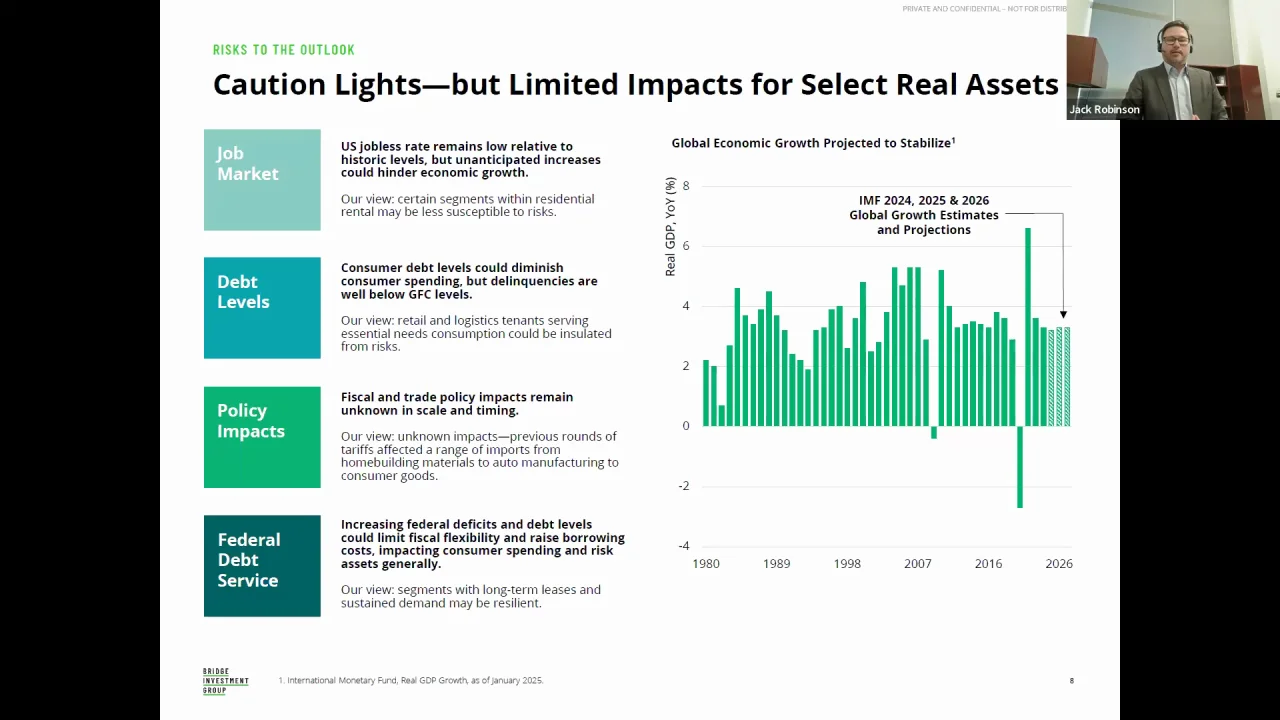
The global bridge construction market is entering a period of sustained expansion in 2026, driven by aging infrastructure needs and government-led capital expenditure. Industry analysts project the market to reach approximately $124.8 billion to $128 billion this year, depending on the specific scope of materials and regional inclusion. This valuation sets the baseline for a sector that is shifting from mere maintenance to modern, technology-integrated construction.
Growth is not linear but accelerates through the decade. Projections indicate the market will expand to between $172 billion and $202 billion by 2031–2034, reflecting a compound annual growth rate (CAGR) of roughly 6.1% to 6.2%. This steady increase is supported by heavy investment in highway and street infrastructure, which often encompasses bridge networks. The broader highway construction sector, valued at $470 billion in 2025, further underscores the scale of capital flowing into civil engineering projects.
This growth trajectory reflects a structural shift in how bridges are financed and built. The integration of AI in design and the demand for durable, low-maintenance materials are creating new value pools within the sector. While the numbers are substantial, the real story lies in the efficiency gains that allow these projects to stay within budget while meeting modern safety standards.
AI reshaping property appraisals
Artificial intelligence is moving from experimental pilot programs to core valuation workflows in the bridge and infrastructure sectors. Traditional appraisals relied heavily on manual inspections and historical comparables, a process that often lagged behind real-time market shifts. Today, machine learning models ingest vast datasets—ranging from structural sensor readings to macroeconomic indicators—to generate dynamic valuations.
This shift reduces the friction in bridge financing. Lenders can now assess risk with greater granularity, adjusting loan-to-value ratios based on predictive maintenance models rather than static condition reports. The result is tighter pricing for well-maintained assets and more accurate risk premiums for those requiring significant rehabilitation.
The integration of AI does not replace human expertise but augments it. As noted in recent industry perspectives, the future of infrastructure valuation depends on combining algorithmic precision with engineering judgment. This hybrid approach ensures that valuations reflect both quantitative data and qualitative structural realities.
Smart technology in maintenance
Proactive maintenance is shifting from a reactive cost center to a strategic asset class. By integrating smart sensors and Internet of Things (IoT) devices, bridge owners can monitor structural health in real time, reducing long-term operational costs and extending asset longevity. This transition relies on continuous data streams rather than periodic manual inspections, allowing engineers to detect micro-fractures, corrosion, and stress anomalies before they become critical failures.
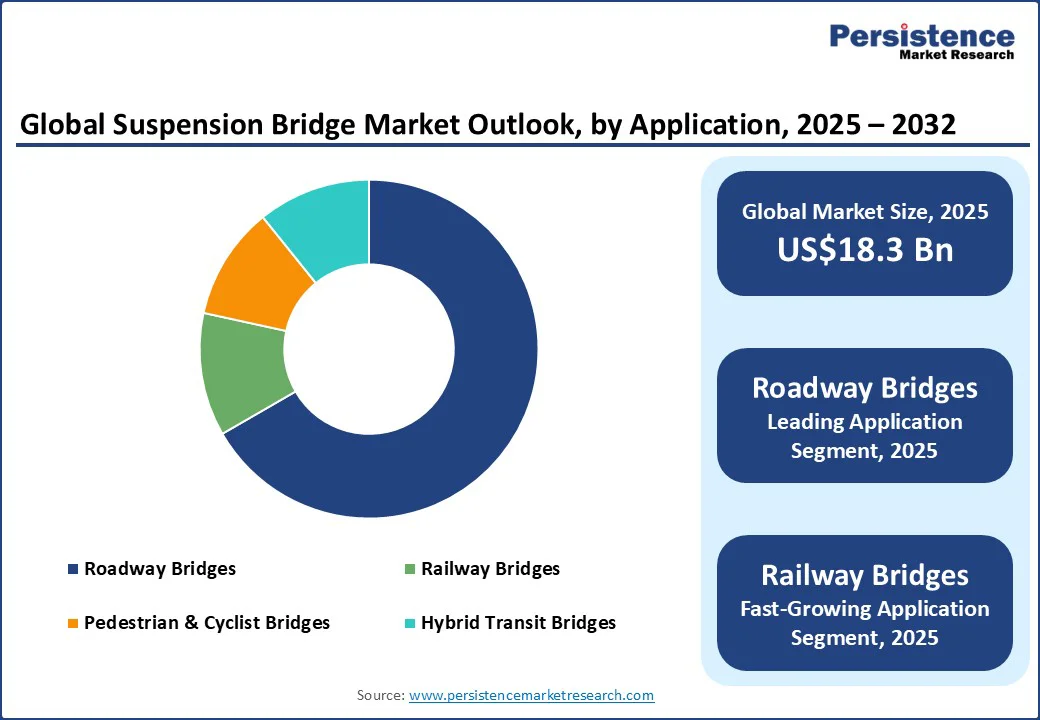
The adoption of these technologies is accelerating as the bridge construction and maintenance market expands. Valued at USD 450 billion in 2024, the global market is projected to reach USD 720 billion by 2033, driven by the need to modernize aging infrastructure. IoT-enabled systems are central to this growth, providing the granular data required to justify capital expenditures on structural upgrades. Instead of replacing entire bridges, agencies can now extend service life through targeted, data-driven interventions.
Real-world implementation involves embedding fiber optic sensors, accelerometers, and strain gauges into critical load-bearing components. These devices transmit data to cloud-based platforms where machine learning algorithms identify patterns indicative of wear. For example, vibration sensors can detect changes in a bridge’s natural frequency, signaling potential structural issues long before visual inspection would reveal them. This predictive capability reduces emergency repair costs and minimizes traffic disruptions caused by sudden closures.
The financial impact of smart maintenance is measurable. Studies indicate that predictive maintenance can reduce overall maintenance costs by up to 30% compared to traditional time-based schedules. By avoiding catastrophic failures, agencies also mitigate the enormous economic costs associated with bridge closures and emergency repairs. As sensor technology becomes more affordable and data analytics more sophisticated, the integration of IoT into bridge maintenance will move from a competitive advantage to an industry standard.
Capital flows shift toward disciplined lending
The bridge loan market in 2026 is active, but far more disciplined than it was during the low-rate years. Capital is available, but it is no longer cheap or indiscriminate. Lenders have tightened underwriting standards significantly, moving away from the aggressive leverage that characterized previous cycles. This shift reflects a broader market correction where risk assessment takes precedence over volume.
Multifamily and infrastructure sectors are seeing the most pronounced changes. Borrowers now face stricter debt service coverage ratio (DSCR) requirements and lower loan-to-value (LTV) caps. The era of easy money has ended, replaced by a environment where capital providers demand higher yields and more robust collateral. This discipline ensures that only well-structured deals with clear exit strategies secure financing.
The result is a more stable, albeit slower, market. While transaction volumes may be lower than during the peak of the low-rate environment, the quality of new loans is higher. Lenders are more selective, which reduces the risk of default but also makes financing harder to obtain for marginal projects. This environment favors experienced operators with strong balance sheets and clear operational plans.
| Feature | 2025 Market | 2026 Market |
|---|---|---|
| Lending Criteria | Moderate | Strict |
| Capital Availability | High | Moderate |
| Interest Rates | Rising | Elevated |
| Focus | Volume | Quality |
This transition marks a maturation of the bridge loan sector. Investors and borrowers must adapt to a new reality where capital is a scarce resource that must be earned through rigorous preparation and transparent financials. The market is not shrinking; it is refining.
The future of bridge engineering
The trajectory of bridge engineering is shifting from pure structural calculation to intelligent infrastructure management. As noted by Parsons, the field’s future will not be defined by algorithms alone, but by how effectively we combine human expertise with intelligent systems to design, maintain, and modernize the infrastructure that connects communities.
This collaboration allows engineers to leverage AI for predictive maintenance and real-time load monitoring while retaining human judgment for complex design decisions and ethical considerations. The result is a more resilient network that adapts to changing environmental and usage patterns.
For investors, this evolution signals a move toward assets that are easier to monitor and maintain. AI-integrated bridges offer lower long-term operational risks, making them attractive in a market where sustainability and durability are paramount.
-
Verify the maturity of the AI monitoring systems used
-
Assess the long-term maintenance cost savings
-
Ensure data privacy and cybersecurity protocols are robust
No comments yet. Be the first to share your thoughts!