Why bridge monitoring AI matters in 2026
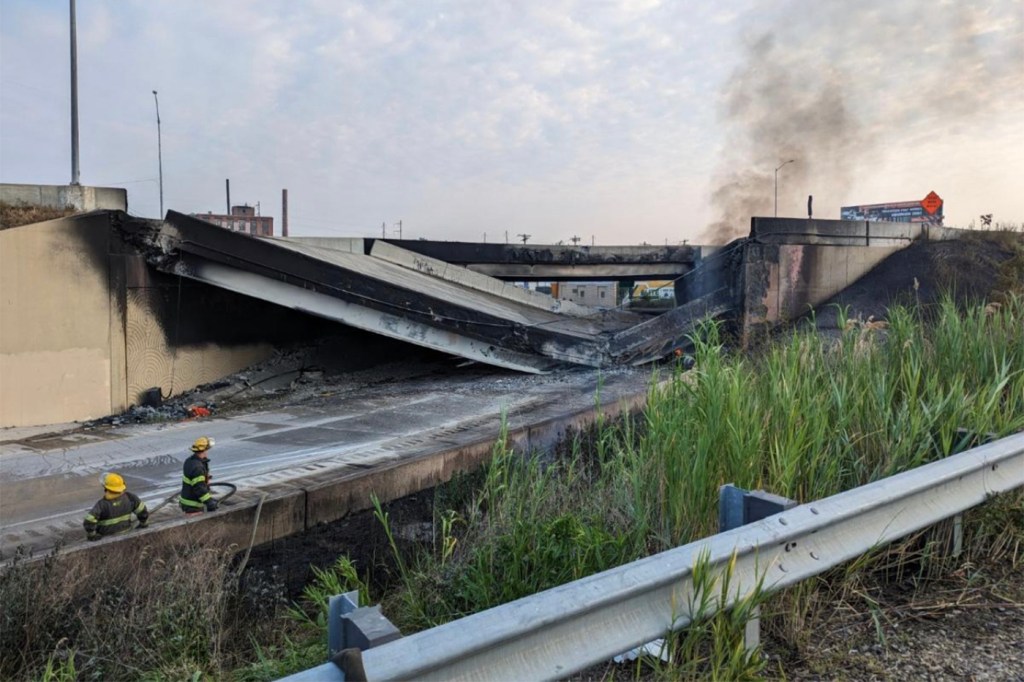
America’s bridge infrastructure is facing a critical juncture. With over 600,000 bridges in the United States, many of which are decades old, the traditional methods of manual inspection are no longer sufficient to ensure public safety. Engineers are increasingly turning to bridge monitoring AI to detect structural issues before they become catastrophic failures. This shift is not just about technology; it is about addressing the urgent need for more reliable, data-driven maintenance strategies.
Manual inspections are labor-intensive, subjective, and often limited by access constraints. AI-powered tools offer a significant advantage by automating data collection and analysis. These systems can process vast amounts of visual and sensor data to identify cracks, corrosion, and other signs of deterioration with greater accuracy and speed. By integrating AI into bridge maintenance, agencies can prioritize repairs more effectively and allocate resources where they are needed most.
The adoption of AI in bridge monitoring is also driven by the desire to reduce long-term costs. Early detection of structural problems can prevent expensive emergency repairs and extend the lifespan of critical infrastructure. As we move further into 2026, the integration of digital twins and AI-assisted workflows is becoming a standard expectation for bridge projects. This technological evolution is essential for maintaining the safety and integrity of the nation’s transportation network.
Top AI-powered inspection and monitoring platforms
The shift from reactive repairs to predictive maintenance is now the standard for infrastructure safety. AI-powered bridge inspection and monitoring tools are no longer experimental; they are essential for managing the aging backlog of structures across the country. By combining computer vision, IoT sensor data, and predictive modeling, these platforms allow engineers to detect subtle cracks, corrosion, and structural shifts before they become critical failures.
The following platforms represent the current leaders in the market, each offering distinct advantages for different types of infrastructure management needs.
Bentley Systems: ContextCapture and Structural Health Monitoring
Bentley Systems has become a cornerstone for civil infrastructure, particularly through its ContextCapture and Structural Health Monitoring (SHM) solutions. The platform excels at creating high-fidelity digital twins from drone imagery and LiDAR scans, allowing engineers to visualize bridge conditions in photorealistic 3D. This capability is critical for inspecting hard-to-reach areas without the need for costly traffic closures or scaffolding.
Beyond visualization, Bentley’s AI-driven analytics can track changes over time, identifying micro-deformations in bridge components. This is particularly valuable for long-span bridges where structural integrity is paramount. The system integrates seamlessly with existing engineering workflows, making it a robust choice for large-scale municipal and state departments of transportation.
Kistler: Digital Structural Health Monitoring
Kistler has emerged as a key player in structural health monitoring, showcasing fully digital solutions that provide immediate feedback on bridge conditions. Unlike systems that rely on periodic inspections, Kistler’s approach uses continuous data streams from piezoelectric sensors to monitor stress, vibration, and load. This continuous monitoring allows for immediate alerts if a bridge experiences unexpected stress, such as from an overloading truck or seismic activity. The system’s digital nature ensures high data fidelity and reduces the noise often associated with traditional analog sensors, making it an ideal choice for bridges in high-traffic or high-risk zones.
Supalabs: Digital Twin Infrastructure Monitoring
Supalabs focuses on the integration of digital twins with AI for predictive maintenance. Their platform aggregates data from various sources, including IoT sensors, historical maintenance records, and environmental data, to create a dynamic model of the bridge’s health. This holistic view enables engineers to simulate different scenarios and predict future maintenance needs with greater accuracy.
Supalabs’ solution is particularly effective for networks of bridges, where prioritizing maintenance efforts across multiple structures is essential. By highlighting which bridges are most at risk and when they will require attention, the platform helps agencies allocate resources more efficiently, extending the lifespan of infrastructure while reducing long-term costs.
K2 Systems: Bridge Inspection and Asset Management
K2 Systems offers a comprehensive suite of tools for bridge inspection and asset management, leveraging AI to streamline the data collection and analysis process. Their platform includes mobile applications for field inspectors, ensuring that data is captured accurately and uploaded promptly. This reduces the administrative burden on engineering teams and ensures that decision-makers have access to the most current information.
The AI components of K2’s system help automate the classification of defects, such as cracks or spalling, allowing inspectors to focus on complex issues rather than routine documentation. This efficiency is crucial for agencies managing large inventories of bridges, where manual inspection processes can be slow and prone to human error.
Comparison of Key Features
| Platform | Primary Strength | Data Type | Best For |
|---|---|---|---|
| Bentley Systems | Photorealistic 3D Digital Twins | Visual & Sensor | Large-scale infrastructure modeling |
| Kistler | Continuous Structural Health Monitoring | Continuous Sensor Data | High-risk, high-traffic bridges |
| Supalabs | Predictive Maintenance via AI | Integrated Multi-source | Network-wide resource allocation |
| K2 Systems | Field Inspection Efficiency | Mobile & Automated | Routine inspection workflow automation |


As an Amazon Associate, we may earn from qualifying purchases.
Key features to look for in bridge safety technology
When evaluating bridge monitoring AI tools, the difference between a passive dashboard and an active safety system lies in two capabilities: predictive maintenance and real-time data integration. A tool that only records history is a logbook; a tool that anticipates failure is a guardian. For 2026 infrastructure safety, you need systems that move beyond simple threshold alerts to identify structural degradation before it becomes critical.
Predictive maintenance capabilities
Predictive maintenance uses machine learning to analyze patterns in structural health data, allowing engineers to intervene before cracks widen or corrosion spreads. This shifts the workflow from reactive repairs to proactive preservation, extending the lifespan of aging infrastructure while reducing emergency costs. Look for platforms that offer digital twin integration, where AI models simulate stress loads and environmental impacts. This feature allows you to test "what-if" scenarios, such as heavy traffic loads or extreme weather events, to see how the bridge responds without risking physical assets. The goal is to catch small anomalies—like slight vibrations or temperature-induced expansion—before they indicate systemic failure.
Real-time data integration
Real-time data integration ensures that sensor feeds from accelerometers, strain gauges, and environmental monitors flow directly into the AI engine without delay. Latency is the enemy of safety; a bridge monitoring system that processes data hours after an event is too slow to prevent accidents. Effective tools aggregate data from multiple sources, including IoT sensors and mobile inspection units, into a single unified view. This integration allows for immediate alerting when structural parameters exceed safe limits. For example, if a sensor detects unusual vibration patterns consistent with fatigue, the system should trigger an instant notification to maintenance crews, enabling rapid response rather than waiting for the next scheduled inspection cycle.
Predictive MaintenanceConcrete tools for implementation
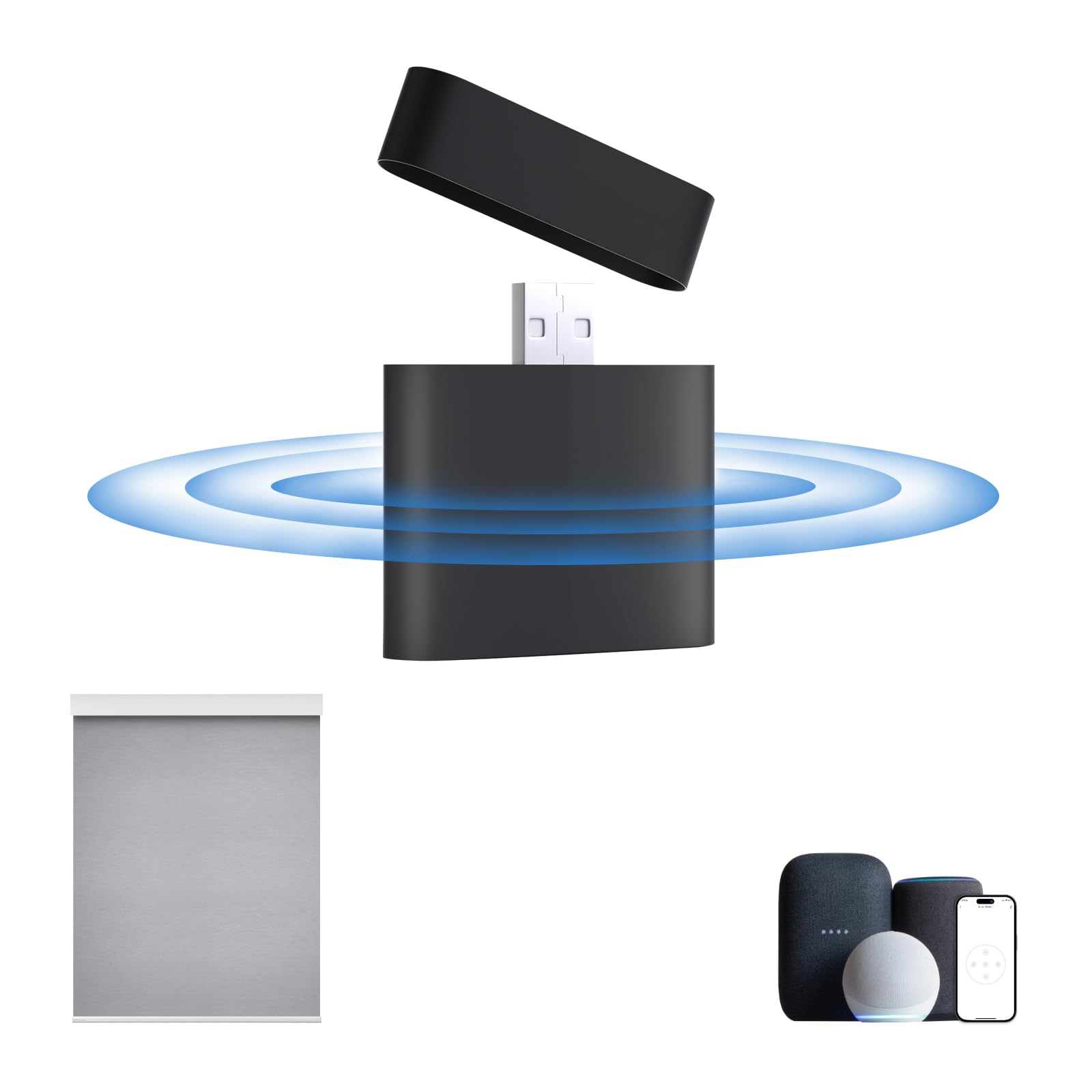
To implement these features, consider tools that specialize in structural health monitoring (SHM). Products like the SmartBridge SHM System offer integrated sensor networks with cloud-based AI analytics, providing dashboards for structural integrity. Another option is the BridgeGuard AI Platform, which focuses on predictive modeling using historical data to forecast maintenance needs. These tools are designed for infrastructure managers who need actionable insights rather than raw data dumps. When selecting a solution, verify that the software supports API integrations with existing maintenance management systems, ensuring a seamless workflow from detection to repair.

As an Amazon Associate, we may earn from qualifying purchases.
How digital twins enhance structural health monitoring
A digital twin is a live, data-driven replica of a physical bridge. It connects sensors on the structure to a virtual model, allowing engineers to see the bridge’s health without leaving their desk. This integration of AI and digital twins transforms static inspection reports into dynamic, continuous monitoring systems.
Instead of waiting for a scheduled inspection to find a crack, the digital twin processes data from strain gauges and accelerometers instantly. When AI detects a pattern that suggests fatigue or stress, the system flags the issue before it becomes a visible defect. This predictive capability shifts maintenance from reactive repairs to proactive care, extending the lifespan of critical infrastructure.
The visual representation of data helps stakeholders understand complex structural behaviors. Planners can simulate traffic loads, weather events, or seismic activity on the digital twin to assess potential risks. This clarity supports better decision-making for budget allocation and emergency response, ensuring that safety measures are grounded in actual structural performance rather than estimates.
Frequently asked questions about bridge AI monitoring
How much does AI bridge monitoring cost?
Pricing varies significantly depending on the scale of deployment. Small-scale projects using handheld devices or basic sensors may cost a few thousand dollars, while comprehensive digital twin solutions with continuous monitoring can reach six figures annually. Most infrastructure agencies budget for software licenses, hardware installation, and data analysis services.
Can AI replace human bridge inspectors?
AI augments rather than replaces human expertise. While algorithms can process vast amounts of sensor data and identify cracks or corrosion faster than manual checks, certified engineers must still interpret results, verify findings, and make final safety determinations. The technology handles the heavy lifting of data collection, leaving complex decision-making to professionals.
How accurate are AI tools for detecting structural damage?
Modern computer vision systems achieve high accuracy in identifying surface defects like cracks and spalling when trained on diverse datasets. However, accuracy depends heavily on image quality, lighting conditions, and the specific AI model used. Tools like those from Bentley Systems or specialized startups often report 90%+ accuracy for common defect types, but false positives can still occur.
What is the ROI of implementing AI in bridge maintenance?
The return on investment comes from predictive maintenance, which prevents costly emergency repairs and extends bridge lifespan. By identifying issues early, agencies can shift from reactive to proactive strategies. Studies suggest that AI-driven monitoring can reduce long-term maintenance costs by 20-30% through optimized resource allocation and early intervention.
Do these AI tools integrate with existing infrastructure systems?
Yes, most modern bridge monitoring AI platforms are designed to integrate with existing asset management systems, GIS databases, and computer-aided design (CAD) software. This interoperability allows agencies to consolidate data from multiple sources, creating a unified view of infrastructure health without replacing legacy systems entirely.
No comments yet. Be the first to share your thoughts!