

Why 2026 changes bridge monitoring
For decades, bridge maintenance relied on the slow rhythm of periodic manual inspections. Engineers would climb under decks with clipboards, looking for cracks and corrosion that might not show up again for five years. That reactive model is no longer sufficient for the aging infrastructure that defines much of today's transportation network. The shift toward continuous, AI-driven monitoring is not just an upgrade; it is a necessary evolution to prevent catastrophic failures before they happen.
The urgency is driven by scale. In the United States, nearly 43% of the 617,000 bridges on record are more than 50 years old, with many carrying loads far exceeding their original design limits. Waiting for scheduled inspections means missing the subtle, real-time signals of stress, vibration, or material fatigue that precede structural compromise. By integrating sensors into the bridge's fabric, we move from guessing when to inspect to knowing exactly when action is needed.
This transition is reshaping the market and the technology available to engineers. The global structural health monitoring market is projected to grow from an estimated $3.58 billion in 2026 to over $8.66 billion by 2033, reflecting a steady compound annual growth rate as municipalities prioritize proactive safety over reactive repair.
The technology enabling this shift is becoming more accessible and sophisticated. We are no longer limited to bulky, expensive industrial devices. Modern sensors are smaller, more durable, and capable of transmitting data continuously via wireless networks. This allows for a granular view of a bridge's health, capturing data on traffic loads, wind speed, temperature fluctuations, and structural deflection in real time.
The result is a significant reduction in long-term maintenance costs and a dramatic improvement in public safety. Instead of closing a bridge for extensive inspections, agencies can monitor its performance remotely, intervening only when specific thresholds are breached. This efficiency allows limited public funds to be directed toward actual repairs rather than administrative inspections, ensuring that the bridges we rely on every day remain safe and functional for years to come.
Top digital sensor systems for bridges
Use this section to make the Best Bridge Structural Health Monitoring Sensors for decision easier to compare in real life, not just on paper. Start with the reader's actual constraint, then separate must-have requirements from details that are merely nice to have. A practical choice should survive normal use, maintenance, timing, and budget. If a recommendation only works in an ideal situation, call that out plainly and give the reader a fallback path.
The simplest way to use this section is to write down the must-have criteria first, then compare each option against those criteria before weighing nice-to-have features.
AI and drone inspection tools
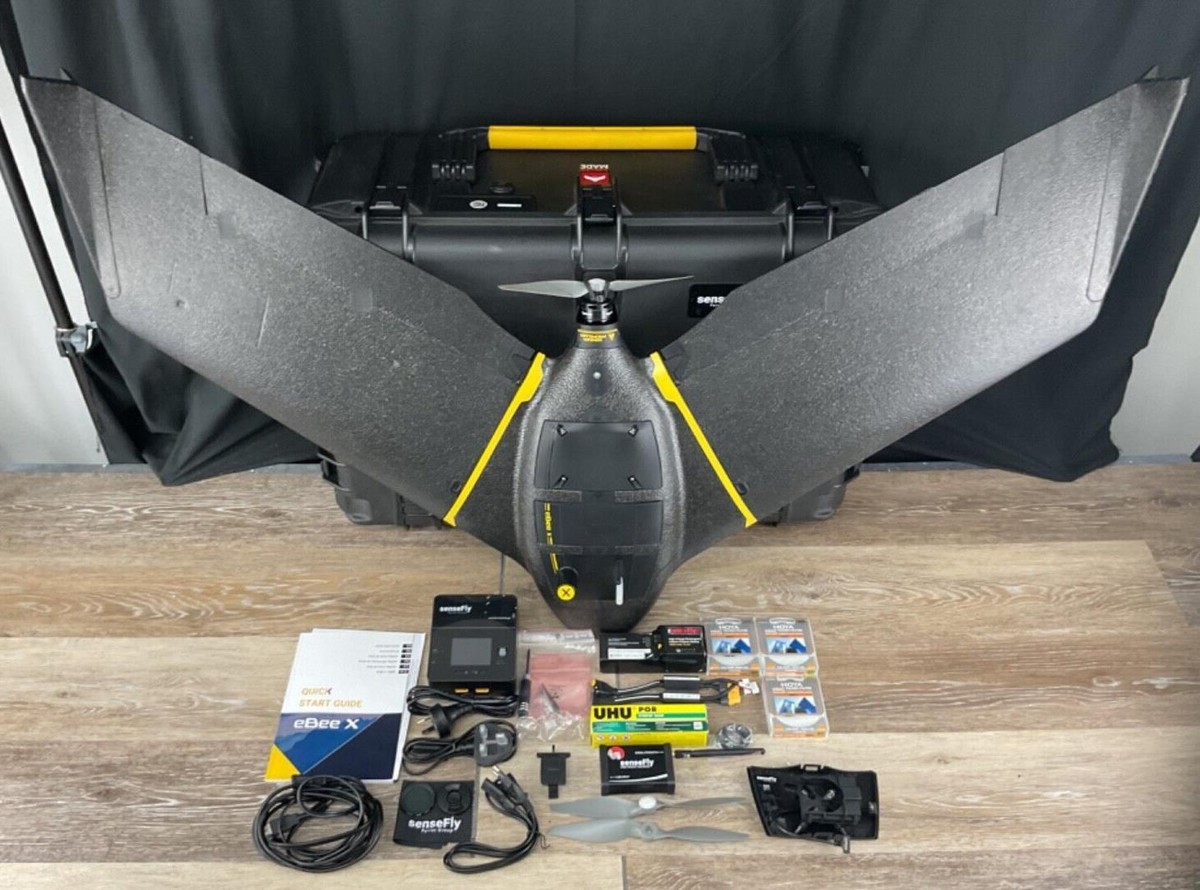
Bridge safety technology has shifted from reactive repairs to predictive monitoring, with AI bridge safety technology and inspection drones leading the charge. Engineers no longer need to hang from cables or walk narrow maintenance lanes to check for cracks. Instead, autonomous drones equipped with high-resolution cameras and LiDAR sensors map structural integrity from the air, while AI algorithms process that data to spot defects invisible to the human eye.
This approach drastically reduces risk during structural assessments. By keeping personnel out of hazardous environments, agencies can inspect more bridges more frequently without the logistical nightmare of setting up scaffolding or closing traffic lanes. The result is a faster, safer, and more accurate way to maintain critical infrastructure.
Comparing Inspection Methods
The transition from traditional methods to AI-driven drone inspections represents a significant leap in operational efficiency. The table below highlights the key differences in speed, safety, and data depth between manual and drone-assisted approaches.
| Method | Speed | Safety | Data Depth |
|---|---|---|---|
| Manual Inspection | Slow | High Risk | Limited |
| AI Drone Inspection | Fast | Low Risk | High Resolution |
Top AI Bridge Safety Technology Tools
Several tools are currently defining the standard for automated bridge monitoring. These products integrate hardware and software to deliver actionable insights for civil engineers.

As an Amazon Associate, we may earn from qualifying purchases.
Choosing the right monitoring setup
Selecting the right bridge structural health monitoring sensors depends on matching the hardware to the specific bridge type and data requirements. A suspension bridge needs continuous strain data to detect fatigue, while a small concrete overpass might only require periodic settlement checks. Buying the wrong sensor type leads to wasted budget and blind spots in your infrastructure data.
Match sensors to bridge material
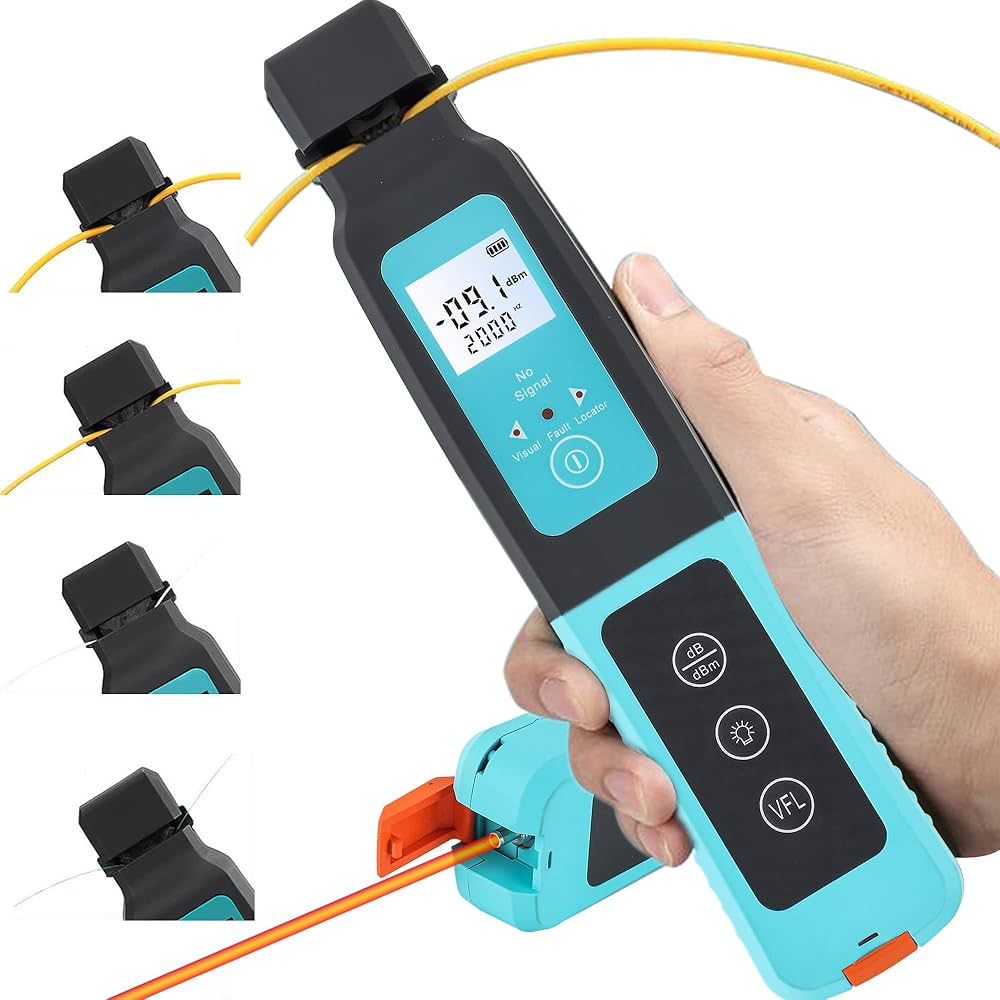
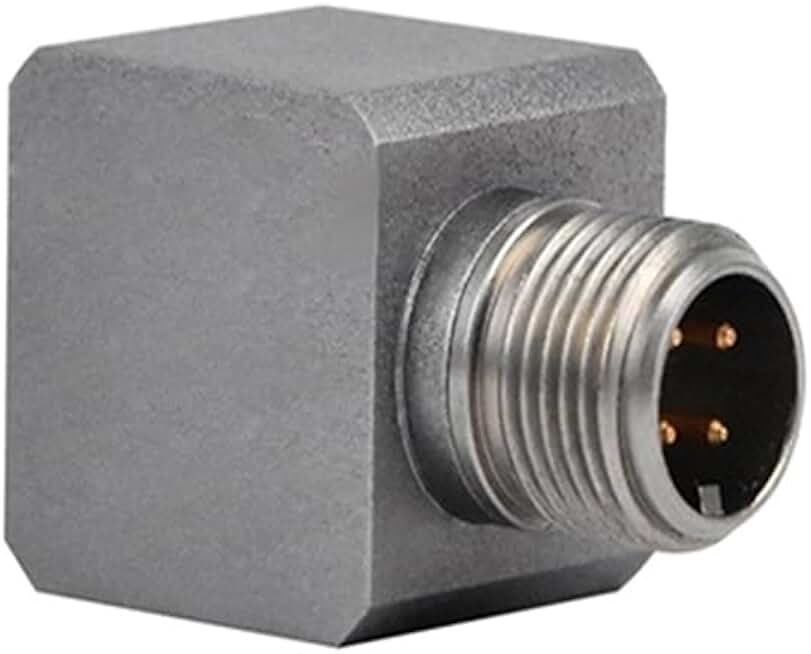
Different materials respond differently to stress and environmental changes. Steel bridges benefit from strain gauges and accelerometers to track vibration and load cycles. Concrete structures often require fiber optic sensors or crack meters to monitor micro-fractures and thermal expansion. Using the wrong sensor for the material can result in noisy data that is difficult to interpret.
Prioritize integration with existing systems
Modern infrastructure relies on smart systems. Ensure your chosen sensors support standard communication protocols like LoRaWAN, NB-IoT, or 4G LTE for seamless integration with existing gateways and cloud platforms. Proprietary systems create vendor lock-in and make future upgrades expensive. Look for open API documentation to ensure the hardware can talk to your current data analytics stack.
Evaluate power and maintenance needs
Remote bridges often lack reliable power sources. Solar-powered sensors with low-energy consumption are essential for off-grid locations. Consider the maintenance interval; sensors that require frequent battery changes or calibration add significant operational costs. Choose ruggedized hardware designed for outdoor exposure to minimize downtime and service visits.

As an Amazon Associate, we may earn from qualifying purchases.
Frequently Asked Questions About Bridge Structural Health Monitoring
How much does a bridge structural health monitoring system cost?
Costs vary significantly based on sensor density and data transmission needs. A basic strain gauge setup might cost a few thousand dollars, while a comprehensive digital system like Kistler’s fully digital solution involves higher initial investment for piezoelectric sensors and data acquisition hardware. Long-term operational costs include cloud storage and software licensing. DYWIDAG’s real-time tracking services often bundle hardware with 24/7 monitoring support, which affects the total cost of ownership compared to standalone sensor purchases.
What sensors are best for detecting bridge cracks and strain?
Piezoelectric sensors from Kistler are widely used for dynamic load and vibration analysis, offering high sensitivity to structural changes. For static strain, fiber optic sensors and traditional strain gauges remain standard. Accelerometers are essential for modal analysis to detect shifts in natural frequency. The choice depends on whether you need to monitor traffic-induced vibrations or long-term structural deformation.
How accurate is real-time structural health monitoring data?
Accuracy depends on sensor calibration and environmental compensation. Modern digital sensors, such as those showcased at Intertraffic 2026, offer high-resolution data with built-in self-diagnosis. However, factors like temperature fluctuations and wind can introduce noise. Regular calibration and using multiple sensor types (e.g., combining strain and vibration data) improve reliability. The Society for Civil Structural Health Monitoring (SCSHM) emphasizes that data interpretation requires context to distinguish between environmental effects and actual structural damage.
No comments yet. Be the first to share your thoughts!