Why bridge safety 2026 matters now
The landscape of American infrastructure is shifting under the weight of age and new federal priorities. For drivers, the 2026 bridge safety environment is defined by a transition from reactive repairs to proactive monitoring. As older structures reach their design limits, the focus has moved toward preventing failures before they impact daily commutes or long-distance travel.
Federal funding streams are increasingly tied to data-driven inspection standards. This shift encourages states to adopt advanced monitoring technologies rather than relying solely on visual checks. While this sounds technical, the practical result is more frequent closures for maintenance and stricter weight restrictions on aging spans. Drivers should expect more variable travel times and updated local advisories as agencies prioritize structural integrity over traffic flow.
The urgency of these changes is visible in recent legislative debates. Lawmakers are pushing for local input to ensure that infrastructure dollars address the specific needs of regional roadways. This means that bridge conditions can vary significantly by state, with some regions benefiting from accelerated upgrades while others face prolonged delays due to funding bottlenecks.
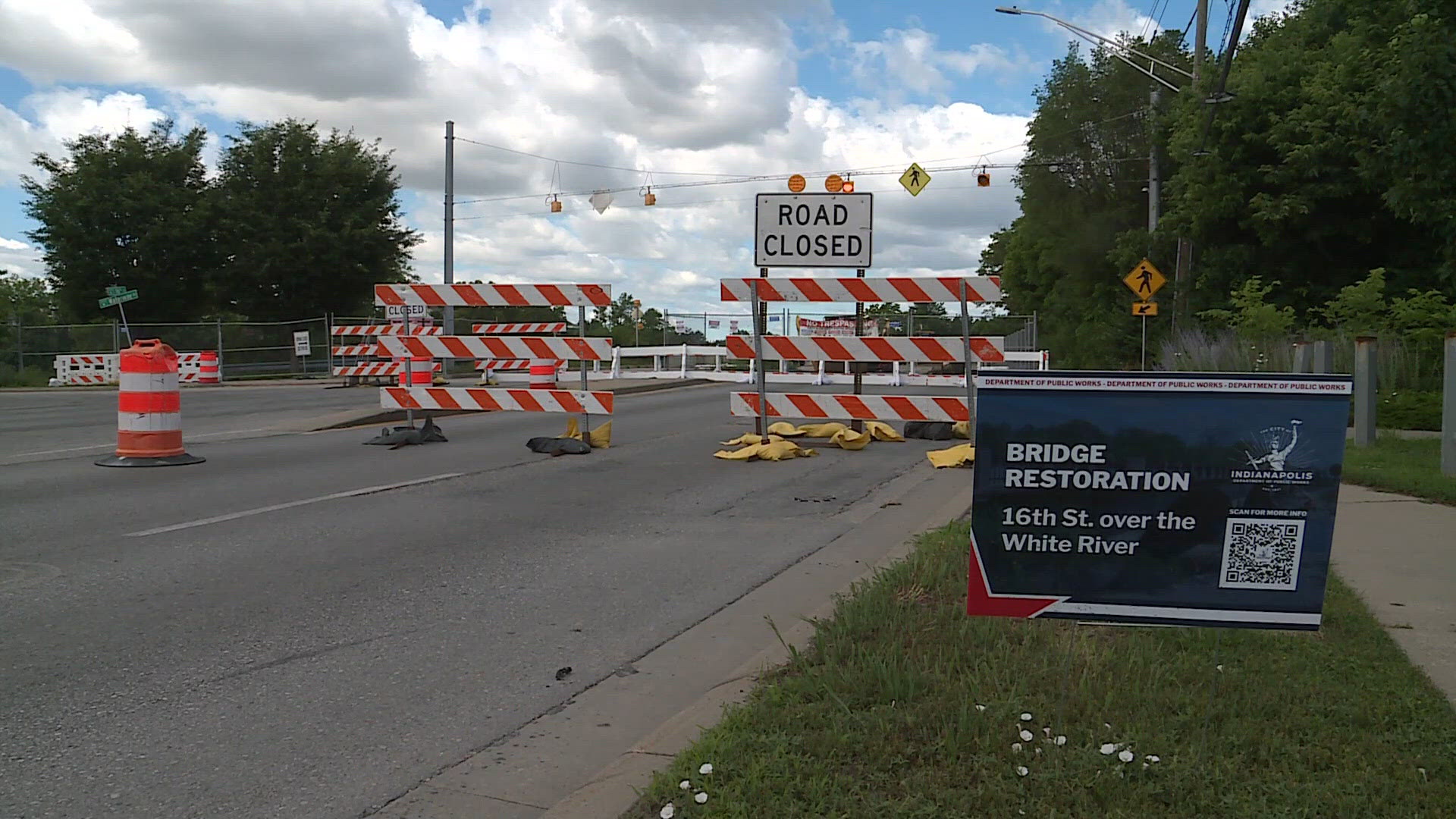
Staying informed is no longer optional. Drivers who ignore these shifts risk encountering unexpected detours or unsafe conditions. Understanding the broader context of bridge safety 2026 helps you plan routes that are not only faster but also safer, ensuring your travels remain smooth despite the aging infrastructure beneath you.
Current travel advisories and closures
Bridge safety 2026 requires drivers to treat temporary closures and travel advisories as routine parts of the commute, not anomalies. Emergency inspections, structural repairs, and sudden safety protocols can close lanes or entire spans with little notice. The George Washington Bridge case illustrates how these events unfold and how agencies manage traffic when a critical link is compromised.
On Tuesday, June 2, 2026, the Port Authority of New York and New Jersey executed an interagency emergency advisory on the span. From 10:30 a.m. to approximately 1:30 p.m., the structure was subject to strict traffic controls while officials conducted an urgent safety inspection. This was not a planned maintenance window; it was a reactive measure triggered by immediate safety concerns. For drivers, this means that even well-maintained infrastructure can become a bottleneck during unexpected safety protocols.
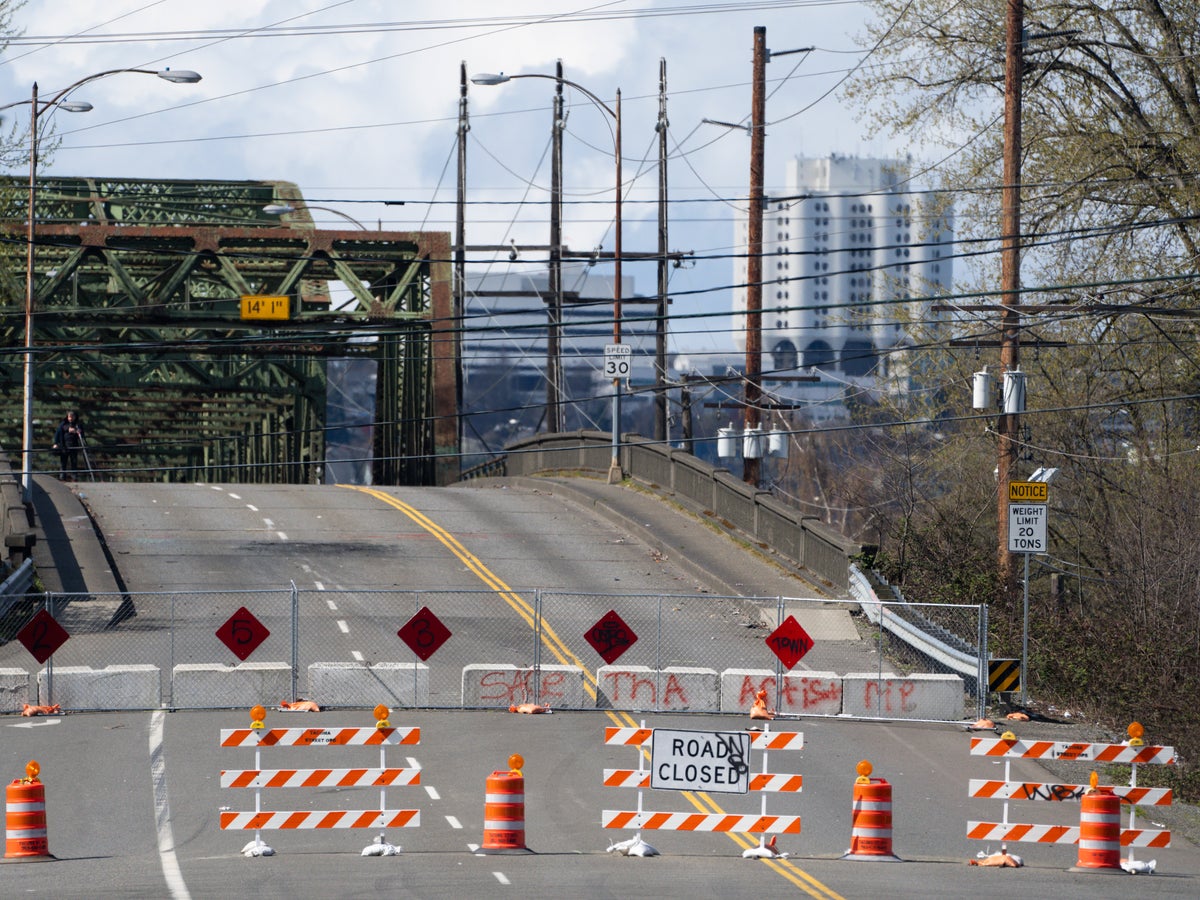
When an advisory like this goes into effect, the impact ripples beyond the crossing itself. Commuters heading into New Jersey or from New Jersey into Manhattan face immediate rerouting. The Port Authority typically directs traffic to alternative crossings, such as the Lincoln Tunnel or the Holland Tunnel, though these routes often experience secondary congestion. Drivers should check real-time traffic apps and official Port Authority social media channels for live updates. The three-hour window may extend if inspectors find complications, so building in buffer time is essential.
This type of emergency response highlights the importance of having backup routes. While the George Washington Bridge is a primary artery, its closure demonstrates that no single crossing is immune to sudden safety interventions. Agencies prioritize structural integrity over traffic flow, meaning drivers must be prepared for delays even when no construction is visible. Staying informed through official sources like the Port Authority press room ensures you receive accurate timing and alternative path recommendations.
New AI monitoring and inspection tech
The way we check bridge integrity is shifting from periodic manual checks to continuous, data-driven monitoring. In 2026, bridge safety 2026 standards increasingly rely on artificial intelligence and smart sensors to detect structural changes before they become visible to the human eye. This shift allows engineers to move from reactive repairs to predictive maintenance, significantly reducing the risk of unexpected failures.
Modern bridges are now equipped with networks of sensors that track stress, vibration, and temperature in real time. These sensors feed data into AI systems that analyze patterns over time. Instead of waiting for a scheduled inspection every two years, agencies can now monitor a bridge’s health daily. This constant vigilance helps identify minor issues, such as small cracks or corrosion, before they widen into major structural concerns.
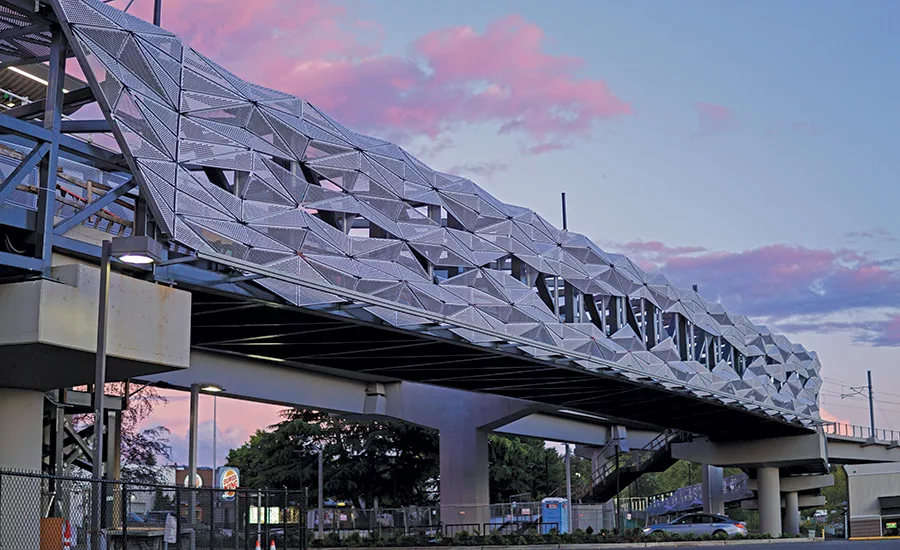
Drone technology also plays a key role in this new era of inspection. Drones equipped with high-resolution cameras and LiDAR can reach areas that are difficult or dangerous for human inspectors. They provide detailed 3D models of bridge components, allowing engineers to spot defects with greater accuracy. This technology is particularly useful for older bridges where access is limited or structural conditions are fragile.
The combination of AI and smart sensors means that bridge inspections are no longer just a snapshot in time. They are a continuous story of the bridge’s health. This approach not only improves safety but also helps manage costs by targeting repairs where they are needed most. As these technologies become more widespread, drivers can expect more reliable infrastructure and fewer surprise closures due to structural issues.
Federal funding and local impact
The federal bridge safety initiative for 2026 directs significant capital toward structural repairs, but that money does not appear on your local street overnight. The process moves through a strict pipeline: federal grants are awarded to state departments of transportation, which then schedule projects based on structural health assessments. This means the funding you see in national news translates to local road conditions only after months of planning, bidding, and permitting. For drivers, this delay is the primary source of friction between long-term safety and short-term convenience.
When construction crews finally break ground, the immediate result is often a temporary decrease in road usability. Lane closures, weight restrictions, and detours become the new normal for neighborhoods near bridge repair sites. While these disruptions feel like a penalty, they are the necessary trade-off for preventing catastrophic failures. The Federal Highway Administration emphasizes that local input is critical during this phase to ensure detours do not overwhelm smaller residential roads that lack the capacity to handle heavy construction traffic.
Understanding this timeline helps drivers manage expectations. If your route is currently under repair, it is likely part of a federally funded safety overhaul. The inconvenience is real, but it is temporary. Staying informed about local state transportation department updates provides the most accurate picture of when your local bridge will return to full service, balancing the immediate hassle of construction with the long-term security of a safe crossing.
-
Check for posted weight limits and axle restrictions
-
Verify active lane closures and peak-hour detours
-
Review local department of transportation alerts for timeline changes
Frequently asked questions about bridges
Drivers often worry about structural integrity, but the real concerns usually come down to visibility, road surface conditions, and specific engineering quirks. Here are the most common questions regarding bridge safety 2026 and how they affect your route.
No comments yet. Be the first to share your thoughts!