

How AI transforms bridge safety
Bridge inspection has moved from periodic manual checks to continuous, AI-driven monitoring. In 2026, systems use IoT sensors to track strain, vibration, and displacement in real time. This shift allows engineers to detect structural issues before they become critical failures.
Traditional methods rely on visual inspections that can miss internal damage. AI algorithms process data from thousands of sensors every second, identifying patterns that indicate wear or stress. This continuous oversight provides a much clearer picture of a bridge's health than occasional site visits.
The market for these systems is expanding rapidly, with smart bridge monitoring projected to reach over $2 billion by 2026. This growth reflects the increasing demand for safer infrastructure and more efficient maintenance strategies.
Top AI monitoring platforms compared
Selecting an AI bridge monitoring solution requires matching specific engineering needs with proven software and hardware capabilities. The market has shifted from simple sensor logging to integrated platforms that use machine learning for predictive maintenance. Below, we compare three leading platforms that dominate the current landscape for structural health monitoring.
Bentley Systems AssetWise
Bentley Systems leads with its AssetWise platform, which integrates digital twin technology directly with real-time sensor data. This system allows engineers to visualize structural stress and fatigue across the entire bridge lifecycle. By leveraging AI, it identifies anomalies in sensor signals that traditional threshold-based systems might miss, making it a robust choice for large-scale infrastructure projects.
BridgeDiag
BridgeDiag offers a specialized platform focused on automated damage detection using computer vision. It processes images from drones and fixed cameras to identify cracks, spalling, and corrosion. This approach reduces the need for manual visual inspections, providing a faster and more consistent data source for maintenance planning. It is particularly effective for routine assessments where physical access is difficult or dangerous.
SmartSense by HBM
HBM’s SmartSense combines high-fidelity hardware sensors with cloud-based analytics. Their platform excels in real-time data acquisition, providing low-latency insights into dynamic loads and environmental conditions. The integration of AI algorithms helps filter out noise from traffic and weather, ensuring that the structural data remains accurate and actionable for engineers.
Comparison of Key Features
The table below summarizes the core capabilities of these leading platforms, focusing on their primary strengths in data integration and analysis.
| Platform | Primary Strength | Integration Type | Ideal Use Case |
|---|---|---|---|
| Bentley AssetWise | Digital Twin & Lifecycle | IoT & BIM | Large-scale infrastructure management |
| BridgeDiag | Visual Damage Detection | Camera & Drone Feeds | Automated routine inspections |
| HBM SmartSense | Real-time Sensor Data | High-fidelity Sensors | Dynamic load monitoring |
IoT sensors for structural health
Reliable data is the foundation of any AI bridge monitoring system. Before artificial intelligence can predict fatigue or stress fractures, it needs accurate, continuous streams of physical data from the structure itself. The best IoT sensors for this task are those that balance high-fidelity measurement with rugged durability and straightforward installation on aging concrete or steel.
Fiber optic sensors
Fiber optic sensors represent a significant leap in durability and spatial resolution. Unlike traditional electrical sensors, fiber optics are immune to electromagnetic interference and can withstand extreme temperatures, making them ideal for harsh bridge environments. They work by measuring changes in light scattering along the cable, effectively turning the entire length of the sensor into thousands of measurement points.
This distributed sensing capability allows engineers to detect strain, temperature, and vibration across long spans without needing dozens of individual point sensors. Installation typically involves embedding the fiber within the concrete or bonding it to steel surfaces using specialized adhesives. While the initial setup requires technical expertise, the long-term reliability and reduced maintenance needs often justify the investment for major infrastructure projects.
Strain gauges and accelerometers
For targeted monitoring of specific stress points, strain gauges and accelerometers remain the industry workhorses. Strain gauges measure the deformation of materials under load, providing direct insight into whether a bridge is handling traffic weights within safe limits. Accelerometers detect vibration and movement, helping to identify resonance issues or unexpected impacts from vehicles or wind.
Modern IoT-enabled versions of these sensors often include built-in data processing and wireless transmission capabilities. This reduces the cabling complexity and allows for easier retrofitting on existing bridges. When paired with AI models, these sensors can distinguish between normal operational vibrations and signs of structural distress, such as loose bolts or developing cracks.
Recommended IoT sensor kits
Selecting the right hardware often comes down to finding kits that combine these sensor types with robust data loggers and cloud connectivity. The following products represent reliable options for integrating physical sensing into your workflow.
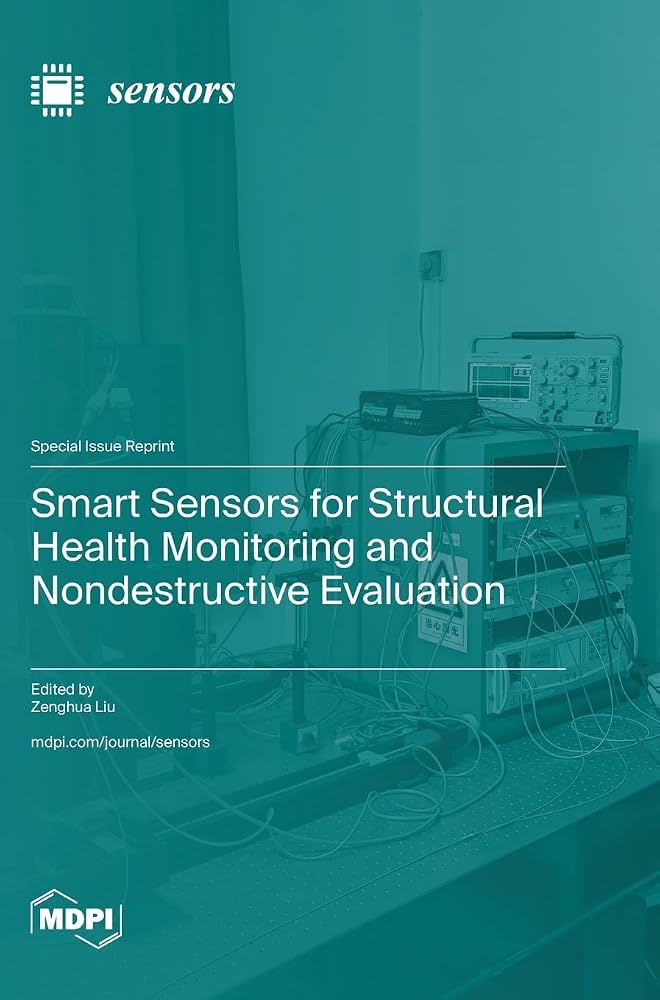


As an Amazon Associate, we may earn from qualifying purchases.
AI software for damage identification
The latest generation of AI bridge monitoring solutions relies on transformer architectures to interpret complex sensor data. Unlike older models that process signals sequentially, these tools use self-attention mechanisms to weigh the importance of every data point simultaneously. This allows the system to detect subtle structural anomalies across thousands of sensors without missing critical context.
Research published in SPIE proceedings highlights how transformer models leverage self-attention to model global dependencies across sensor signals. This approach enables more accurate damage identification by understanding the relationships between distant structural points, rather than just local fluctuations. The result is a significant reduction in false positives compared to traditional machine learning methods.
For engineers looking to implement these advanced detection systems, selecting the right technical guide is essential for understanding the underlying algorithms. The following resources cover the practical application of AI in structural health monitoring and vehicular bridge engineering.


As an Amazon Associate, we may earn from qualifying purchases.
Choosing the right system
Selecting an AI bridge monitoring system requires matching hardware to the specific structural needs of your asset. A steel truss bridge demands vibration and strain sensors, while a concrete pier requires crack propagation monitors. Buying a generic IoT package often leads to unused capacity and wasted budget.
Integration is the next hurdle. Your chosen system must feed data directly into existing Computer-Aided Facility Management (CAFM) or Building Information Modeling (BIM) platforms. Bentley Systems, for instance, offers solutions that leverage digital twins to visualize sensor data in real-time, ensuring your engineering team can act on alerts without switching software contexts.
Budget constraints often dictate the scale of deployment. Start with a pilot on a critical span to validate the AI's accuracy in detecting anomalies versus false positives. This phased approach allows you to refine sensor placement and data thresholds before committing to a full-scale network across your entire infrastructure portfolio.
No comments yet. Be the first to share your thoughts!