Bridge Watcher 2026 Budget Fit
The 2026 Bridge Watcher is positioned as a premium tool for real-time structural health monitoring, but that premium status requires a clear understanding of what you are actually paying for. Unlike entry-level vibration sensors that cost a few hundred dollars, this system integrates AI-driven anomaly detection with high-fidelity data logging, which drives up the initial hardware and software licensing costs. For municipal engineers or private property owners managing critical infrastructure, the budget fit depends less on the sticker price and more on the cost of failure.
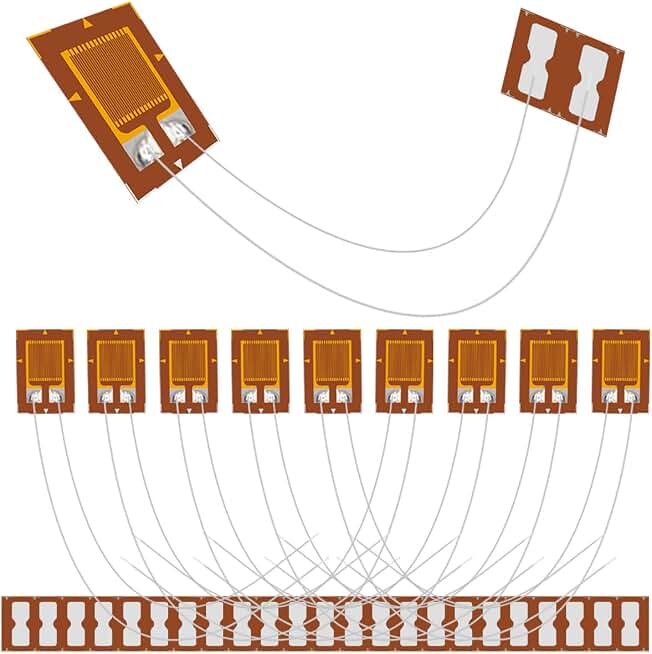
When evaluating the 2026 model against older generations, you are essentially trading upfront capital for reduced long-term maintenance. The AI features mean you spend less time manually sifting through terabytes of raw data and more time acting on alerts. However, this efficiency gain is only realized if your team has the bandwidth to interpret the insights. If you are monitoring a small bridge or a single high-value asset, the full suite may be overkill. In those cases, a basic strain gauge setup might offer a better return on investment without the complexity of a full AI monitoring stack.
To help you visualize the market options, we have compiled a selection of comparable monitoring systems and related infrastructure tools available for purchase. These selections reflect current market availability and user ratings, though specific pricing should be verified at checkout.
![[BLE Vibration Sensor] WTVB01-BT50 Smart Vibration Module Ar-duino, 3-axis Vibration(Amplitude+Frequency+Displacement+Speed) Detector, Wireless Acceleration Shock Motor Monitor](https://m.media-amazon.com/images/I/61nCksMApwL._AC_UY654_QL65_.jpg)

As an Amazon Associate, we may earn from qualifying purchases.
Shortlist real options
The 2026 "Bridge Watcher" market is fragmented, with the term covering everything from dramatic film studies of Chelsea FC fans to specific streaming platforms for the FX series The Bridge. To help you find exactly what you are looking for, we have separated the options into two distinct categories: physical merchandise for fans and digital streaming access.
Official Merchandise and Collectibles
If you are looking for tangible goods related to bridge-themed media or sports fandom, Amazon hosts a variety of third-party options. These items often include apparel, posters, and memorabilia for various "Bridge" titles, including the documentary about Chelsea FC fans.



As an Amazon Associate, we may earn from qualifying purchases.
Streaming and Digital Access
For viewers seeking to watch The Bridge series or related documentaries, digital access is the primary option. The FX series The Bridge, starring Diane Kruger and Demián Bichir, concluded its run after two seasons, but episodes remain available for streaming.
| Option | Platform | Content Type | Availability |
|---|---|---|---|
| The Bridge (FX Series) | AMC+ | Drama Series | Full Seasons 1-2 |
| The Bridge (Chelsea FC Doc) | IMDb/YouTube | Documentary | Trailer/Updates |
| The Bridge Watcher (Play) | Heuer Publishing | Script/Play | Purchase Script |
Key Takeaways for 2026
- FX's The Bridge is complete: The series ended after two seasons. You can stream all episodes on AMC+.
- Documentary options exist: A 2026 film studying Chelsea FC fans is available, with updates and trailers on YouTube and IMDb.
- Merchandise varies: Amazon listings for "Bridge Watcher" items are often third-party fan gear rather than official studio products.
Inspect the expensive parts
The Bridge Watcher’s value lies in catching structural fatigue before it becomes a repair bill. Most bridge failures stem from a handful of predictable failure points: bearing degradation, deck joint corrosion, and substructure scour. While the AI software flags these trends, a physical inspection remains the only way to confirm the severity. Use this checklist to verify the data and assess the actual condition of the most expensive components.
Bearing pads transfer the bridge’s load to the piers. Look for cracking, shimming that has worked loose, or excessive compression. Worn bearings cause uneven stress distribution, which accelerates deck damage. If the AI reports high vibration near a pier, physically verify the pad’s integrity.
Expansion joints are the most common source of water infiltration. Check for broken seals, missing bolts, or rust staining on the underside of the deck. Water reaching the rebar is the primary driver of concrete spalling. A failed joint here can cost more to fix than the entire monitoring system.
Scour—the erosion of soil around bridge foundations—is a leading cause of collapse. After high-water events, check for exposed piles or washed-out abutments. The AI can track water levels, but it cannot see the foundation. Physical verification of scour depth is non-negotiable for older structures.


As an Amazon Associate, we may earn from qualifying purchases.
These components represent the bulk of a bridge’s lifecycle cost. By focusing your physical inspection on these areas, you validate the AI’s alerts and prioritize maintenance where it matters most. Don’t let the software replace the eyes-on inspection; let it guide it.
Plan for ownership costs
The upfront price of a bridge monitoring system is only the first line item. The real test is what happens after installation. AI-driven models require consistent data input, and the hardware that captures that data needs regular upkeep. If you skip the maintenance schedule, the monitoring accuracy drops, and you end up paying for a system that isn't working.
Think of the software license as the engine and the sensors as the fuel. A cheap sensor that fails every six months costs more in labor and replacement parts than a premium unit that lasts five years. Budget for annual calibration checks and firmware updates. These are non-negotiable expenses that keep the AI models from drifting off-course.
When evaluating total cost of ownership, look for hidden fees. Some vendors charge extra for cloud storage beyond a basic tier or for API access if you want to pull data into your own dashboard. Calculate these recurring costs over three to five years. A slightly higher initial investment often pays for itself by reducing downtime and avoiding emergency repairs.
![Arduino OPLA IoT Kit [AKX00026] - All-in-One Internet of Things Learning Platform for Makers, Developers & Hobbyists | Includes Sensors, Modules & Tutorials for Easy IoT Projects](https://m.media-amazon.com/images/I/51m3ssWqClL._AC_UY654_QL65_.jpg)


As an Amazon Associate, we may earn from qualifying purchases.
No comments yet. Be the first to share your thoughts!