

Bridge health monitoring 2026 budget
Pricing for AI-driven structural health monitoring (SHM) systems varies significantly based on sensor density and data analytics depth. While a basic wireless accelerometer setup for a single-span bridge might cost under $5,000, comprehensive fiber-optic or hybrid IoT networks for major infrastructure can exceed $50,000 in hardware and installation alone. The 2026 market offers tiered solutions that balance upfront capital expenditure against long-term maintenance savings.
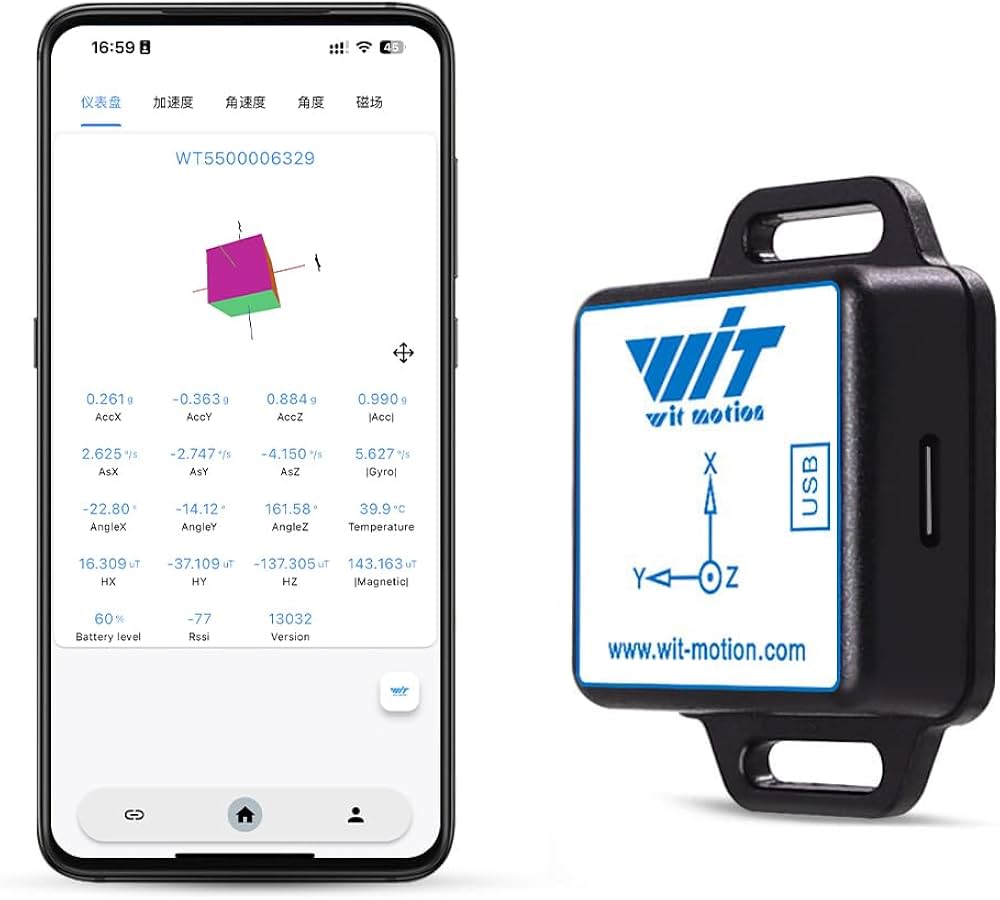
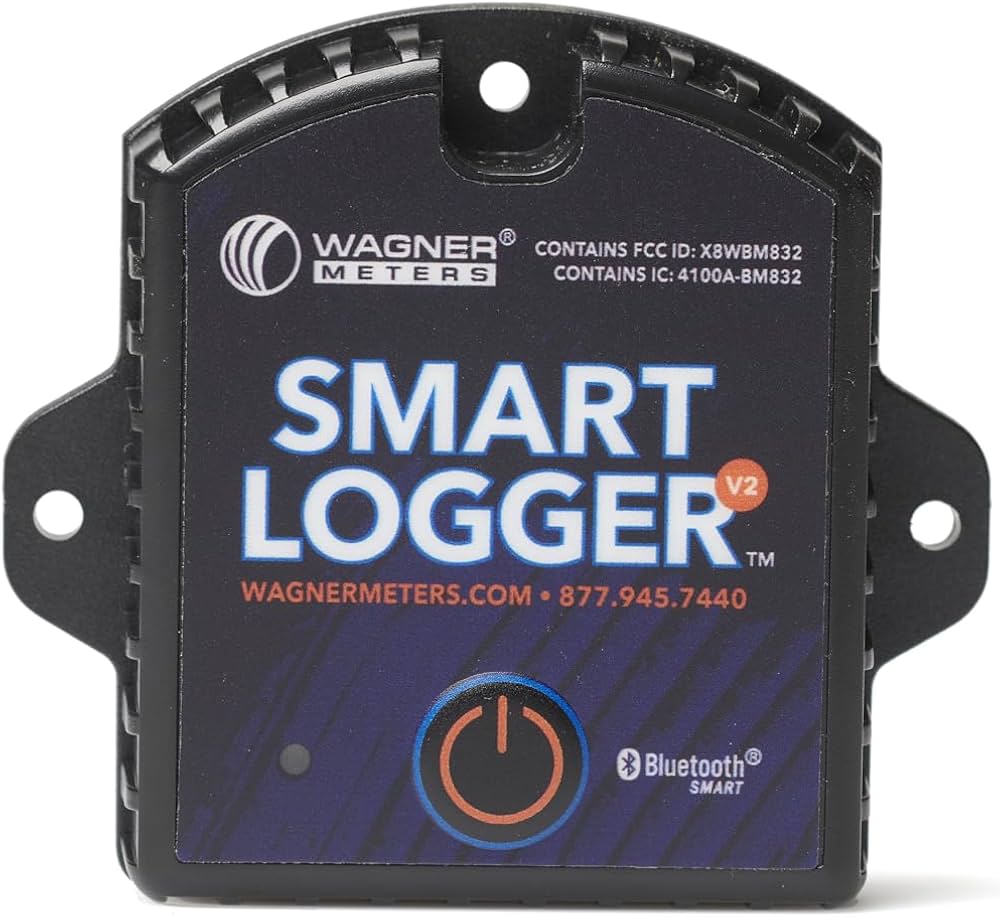
For smaller bridges, entry-level wireless sensor nodes provide real-time vibration and strain data without extensive wiring. These systems are ideal for routine health checks and early crack detection. For larger spans, hybrid systems combining wireless sensors with fixed fiber-optic cables offer higher fidelity data for fatigue analysis. The choice often depends on the bridge's age, traffic load, and criticality.
When evaluating products, focus on total cost of ownership. Look for systems that include cloud-based analytics platforms, which reduce the need for on-site data processing hardware. Many vendors now offer subscription-based analytics, shifting costs from CAPEX to OPEX. This model allows agencies to scale monitoring as needed without large initial investments.

As an Amazon Associate, we may earn from qualifying purchases.
The following table compares common monitoring approaches to help you decide where to allocate your budget.
| Approach | Estimated Cost | Best For |
|---|---|---|
| Wireless Sensors | $1k-$10k | Small to medium bridges, routine checks |
| Fiber Optic Networks | $10k-$50k+ | Large spans, critical infrastructure |
| Hybrid IoT Systems | $5k-$20k | Balanced performance and cost |
Investing in the right monitoring system now can prevent costly emergency repairs later. Prioritize systems with proven reliability and easy integration with existing maintenance workflows. Always verify sensor accuracy and data transmission stability before committing to a large-scale deployment.
Compare top bridge health monitoring systems for 2026
Choosing the right Structural Health Monitoring (SHM) platform depends on whether you prioritize real-time digital precision, cloud-based accessibility, or comprehensive data integration. The following comparison highlights three leading solutions shaping the 2026 bridge safety landscape.
| System | Key Strength | Integration | Best For |
|---|---|---|---|
| Kistler Digital SHM | Fully digital, real-time sensor data | Direct hardware-to-cloud pipeline | High-precision real-time alerting |
| Dewesoft Bridge SHM | Flexible DAQ and cloud storage | Database and cloud compatibility | Distributed monitoring across large spans |
| MDPI Framework Tools | Industry 5.0 analytics workflow | Planning, collection, and decision stages | Long-term assessment and research |
Kistler’s fully digital solution stands out for its direct hardware-to-cloud pipeline, minimizing signal loss and enabling immediate real-time alerting for critical structural anomalies. It is particularly effective for bridges requiring high-frequency vibration monitoring and instant safety thresholds.
Dewesoft offers a more flexible Distributed Acquisition (DAQ) approach, allowing engineers to easily store data to local databases or cloud platforms. This makes it ideal for long-span bridges where sensor distribution is complex and data volume is high.
The MDPI-recommended Industry 5.0 framework provides a broader analytical workflow, covering planning, data collection, analytics, and decision-making. While less of a single product and more of a methodology, it is essential for agencies focusing on long-term structural assessment and predictive maintenance planning.
Inspect the expensive parts
Use this section to make the The Bridge Safety Revolution decision easier to compare in real life, not just on paper. Start with the reader's actual constraint, then separate must-have requirements from details that are merely nice to have. A practical choice should survive normal use, maintenance, timing, and budget. If a recommendation only works in an ideal situation, call that out plainly and give the reader a fallback path.
-
Verify the basicsConfirm the core specs, condition, and fit before comparing extras.
-
Price the downsideLook for the repair, maintenance, or replacement cost that would change the decision.
-
Compare alternativesCheck at least two comparable options before treating one listing as the benchmark.
Plan for ownership costs
A low purchase price rarely reflects the true cost of bridge safety. While AI-driven Structural Health Monitoring (SHM) systems reduce long-term liability, the upfront investment includes hardware, installation, and software integration. Ignoring these expenses often leads to budget overruns that dwarf the initial savings.
Maintenance surprises are the biggest threat to your ROI. Sensors require calibration, batteries need replacement, and data platforms demand subscriptions. If you choose a system that looks cheap on paper but lacks local support, repair costs can spiral. Always factor in five-year operational expenses, not just the first-year capital outlay.
When a cheap buy stops being cheap is usually when data accuracy fails. Low-quality sensors generate noise, forcing engineers to spend more time validating alerts. This false sense of security is dangerous. Investing in reliable, integrated SHM tools prevents costly structural failures and extends the lifespan of the asset.


As an Amazon Associate, we may earn from qualifying purchases.
Bridge health monitoring 2026: what to check next
The shift toward AI-driven structural health monitoring (SHM) is moving from experimental pilot projects to standard infrastructure maintenance. As the global market expands, engineers and facility managers are asking how to integrate these systems without disrupting traffic or breaking existing budgets.
Below are the most practical questions regarding bridge monitoring technologies in 2026.
These systems represent a move toward smarter, safer infrastructure. By adopting real-time monitoring, agencies can reduce emergency repairs and improve public safety."}
No comments yet. Be the first to share your thoughts!