
Get bridge collapse 2026 right
Start The Bridge Collapse Crisis with the constraint that matters most in real life: space, timing, budget, skill level, maintenance, or availability. That first constraint should shape the rest of the plan instead of appearing as an afterthought. Keep the first pass simple enough to verify. Compare the main options against the same criteria, remove choices that only work in ideal conditions, and save optional upgrades for later.
The simplest way to use this section is to write down the real constraint first, compare each option against it, and choose the path that still works outside ideal conditions.
Work through the steps
The Bridge Collapse Crisis works best as a clear sequence: define the constraint, compare the realistic options, test the tradeoff, and choose the path with the fewest hidden costs. That order keeps the advice usable instead of decorative. After each step, pause long enough to check whether the recommendation still fits the reader's actual situation. If it depends on perfect timing, unusual access, or a best-case budget, include a simpler fallback.
Fix common mistakes
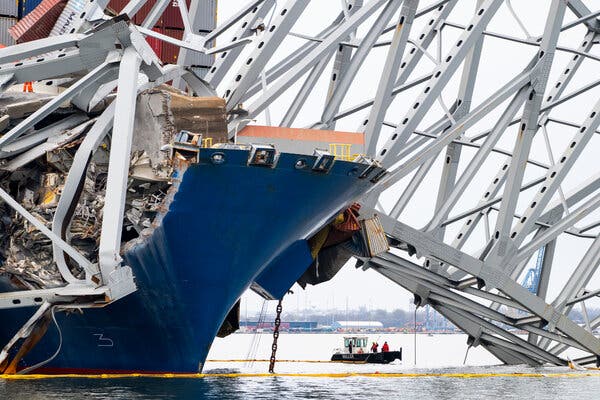
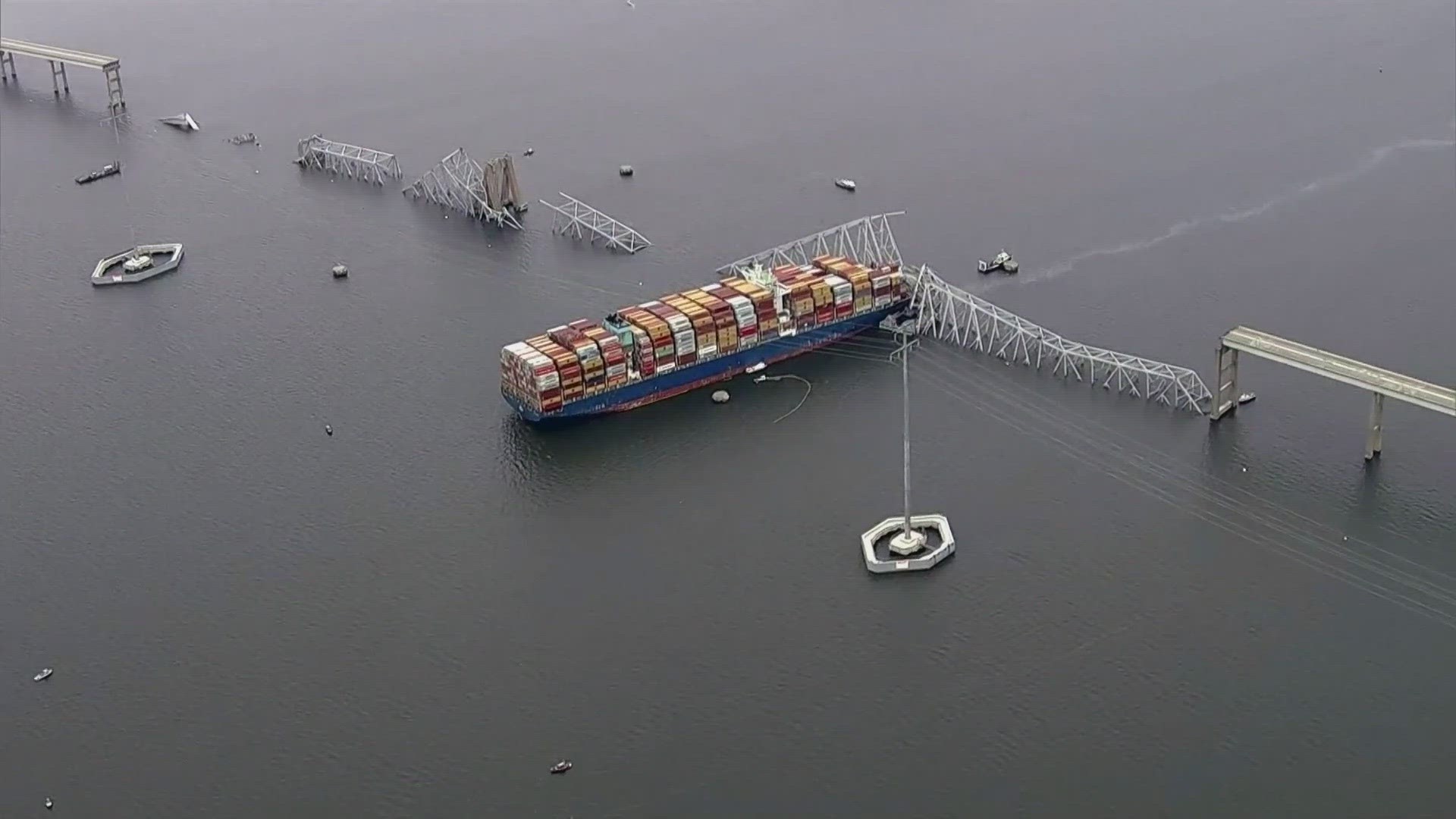
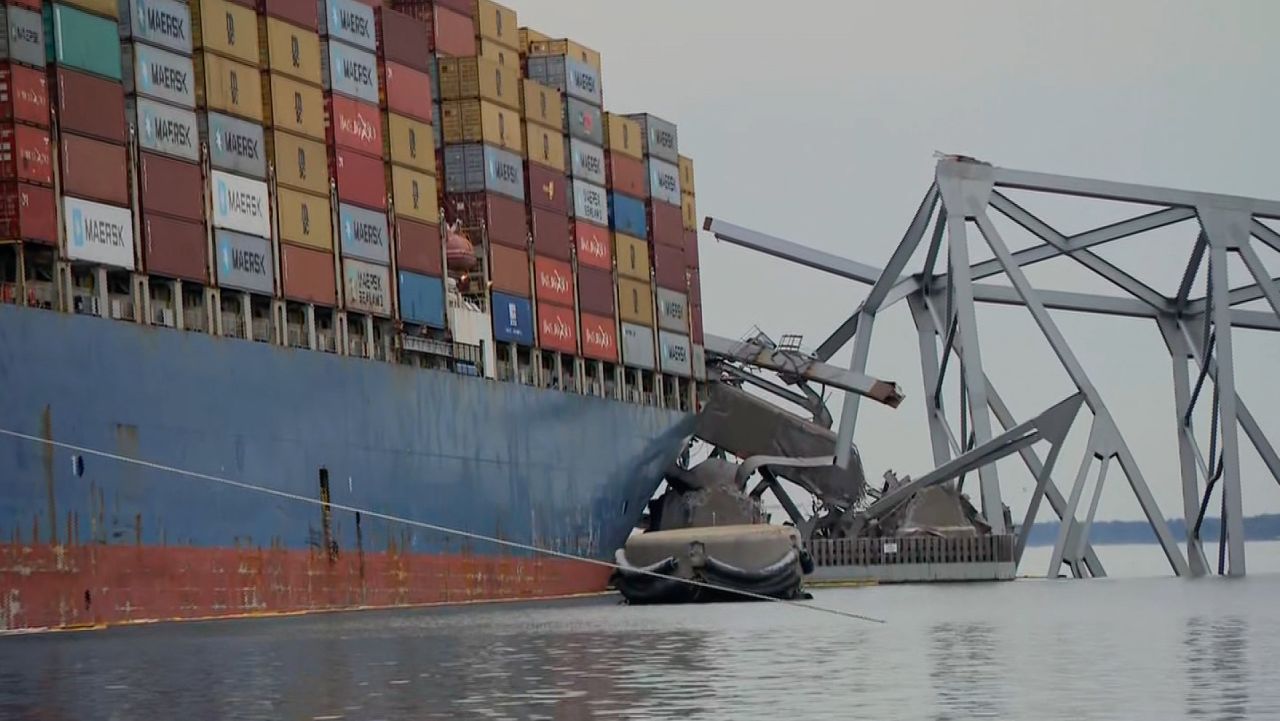
Most bridge failures stem from predictable oversights rather than sudden, unpreventable events. When navigating aging infrastructure, skipping routine checks or ignoring early warning signs creates unnecessary risk. The following mistakes are common among drivers, property owners, and even some maintenance crews, and avoiding them is the most effective way to stay safe.
Ignoring visible structural damage
Cracks, spalling concrete, and rust are not just cosmetic issues; they are early indicators of material fatigue. Many people drive over bridges with visible deterioration because the structure still "looks" stable. However, surface damage often masks deeper corrosion in the steel reinforcement or prestressing cables. If you see significant cracking in the deck or rust staining on the underside of the bridge, do not assume it is safe to cross at full speed. Report these issues immediately to local transportation authorities via their official reporting portals. The Federal Highway Administration provides detailed guidelines on identifying these signs here.
Overloading beyond posted limits
Weight limits are not suggestions; they are calculated based on the bridge’s current structural capacity, which degrades over time. A bridge rated for 20 tons may fail under a 22-ton load if corrosion has weakened key supports. Commercial drivers and logistics companies must strictly adhere to posted weight restrictions. For private vehicle owners, this means avoiding the temptation to cross bridges with low clearance or weight signs when towing heavy trailers or carrying excessive cargo. The recent collapse in Wheeling, West Virginia, highlights how quickly infrastructure can fail when stress exceeds its diminished limits WSAZ, 2026.
Failing to report hazards
Silence is dangerous. Many bridge collapses are preceded by visible warnings that were never reported. If you notice unusual vibrations, new cracks, or debris falling from a bridge, do not assume someone else has already called it in. Use your state’s DOT app or website to file a report with photos. This creates an official record that triggers inspections. In the absence of a formal reporting channel, call the non-emergency police line or local highway patrol. Early reporting can prevent tragedy by halting traffic before a failure occurs.
No comments yet. Be the first to share your thoughts!