Spot the warning signs early
Bridge Safety issues are easier to solve when you separate the symptom from the device itself. A frozen touchscreen, a blank display, broken Bluetooth, and a slow map update can feel like the same failure, but they point to different causes. Write down what still works, what stopped responding, and whether the problem appears after startup, after a software update, or only after pairing a phone. Do the first pass while the car or device is parked, powered normally, and connected to a stable signal. If only one app is frozen, close that path before treating the whole system as broken. If core controls, driver information, warning lights, or safety features are involved, stop treating it as a cosmetic infotainment issue and move to the official support path. This distinction keeps the reset from becoming a ritual. The goal is not to reboot repeatedly; it is to prove whether the fault is temporary software lag, a connection problem, outdated firmware, accessory interference, or something that needs service documentation.
The simplest way to use this section is to keep the setup small, verify each change, and record the stable configuration before adding optional accessories.
Deploy smart sensors for real-time data
Use this section to make the Bridge Safety decision easier to compare in real life, not just on paper. Start with the reader's actual constraint, then separate must-have requirements from details that are merely nice to have. A practical choice should survive normal use, maintenance, timing, and budget. If a recommendation only works in an ideal situation, call that out plainly and give the reader a fallback path.
-
Verify the basicsConfirm the core specs, condition, and fit before comparing extras.
-
Price the downsideLook for the repair, maintenance, or replacement cost that would change the decision.
-
Compare alternativesCheck at least two comparable options before treating one listing as the benchmark.
Follow the new USACE inspection rules
Bridge failures often start with missed details in routine checks. The 2026 updates to USACE Engineering Manual 1110-2-1102 tighten the framework for how inspectors evaluate structural health, moving beyond simple visual scans to more rigorous data capture. Compliance isn't just about paperwork; it's about catching the early signs of distress before they become critical failures.
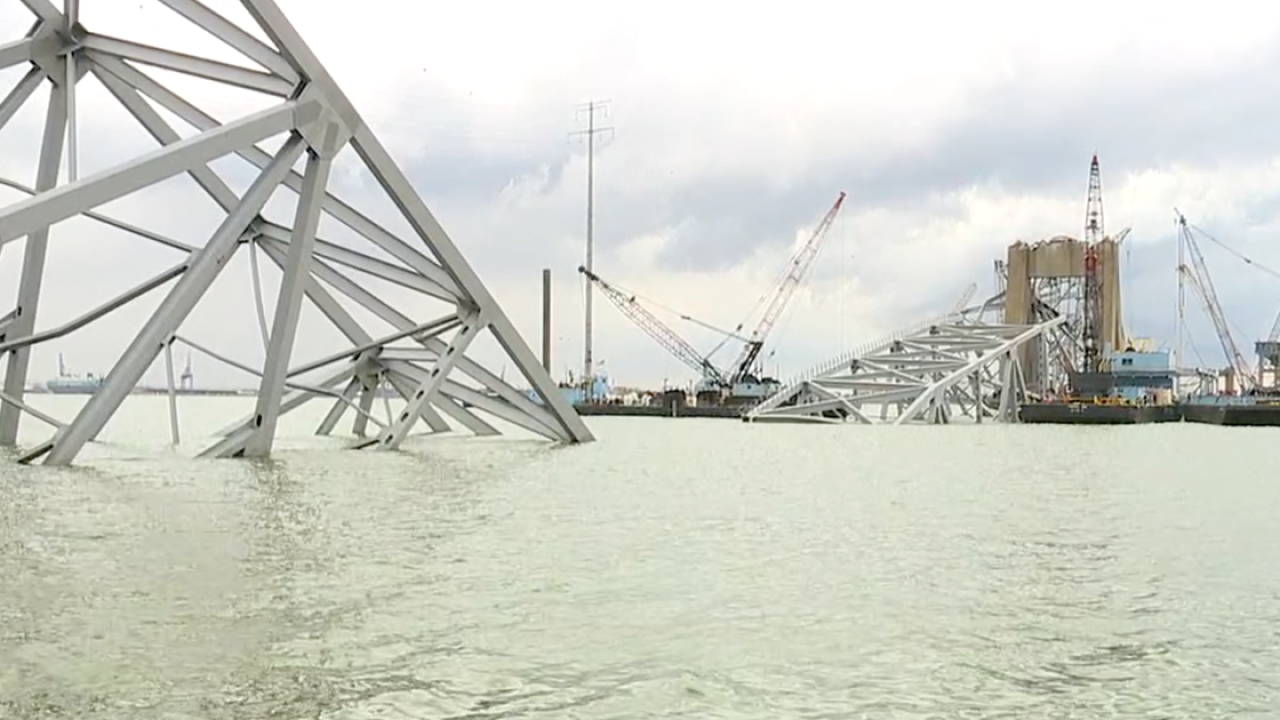
The core of the 2026-2 revision focuses on standardizing the inspection process for USACE-owned bridges. Inspectors must now adhere to stricter protocols for documenting structural elements, particularly those prone to fatigue or corrosion. This includes more frequent assessments of critical load-bearing components and updated criteria for evaluating bridge scour, a leading cause of bridge collapse during flood events.
To ensure you are aligned with these mandates, use the following checklist to verify your current inspection workflow against the new standards. This helps identify gaps in your current practices before an official audit flags them.
-
Verify that all bridge inspection reports follow the updated EM 1110-2-1102 format.
-
Confirm that scour assessments include recent hydraulic data and flow velocity metrics.
-
Ensure digital documentation includes high-resolution images of critical structural joints.
-
Review inspection schedules to ensure they meet the increased frequency requirements for high-risk bridges.
These changes reflect a broader shift toward proactive maintenance rather than reactive repairs. By integrating these updates into your daily operations, you reduce the risk of unexpected structural failures and ensure that your infrastructure remains safe for public use. The goal is clarity and consistency in every inspection, leaving no room for ambiguity in safety assessments.
Plan for infrastructure investment 2026
The monitoring upgrades described above are only effective if the funding to implement them exists. In 2026, the financial landscape for bridge safety is defined by a shift from reactive patching to proactive, data-driven maintenance. This transition requires sustained capital investment, not just emergency allocations.
Federal and state agencies are increasingly tying inspection data directly to budget approvals. When sensors identify structural degradation early, maintenance becomes cheaper and less disruptive. This efficiency makes a strong case for consistent funding streams rather than sporadic, crisis-driven spending. The goal is to treat bridge safety as a continuous operational cost, similar to vehicle maintenance, rather than a one-time construction expense.
Political will remains the primary variable. As Representative Bresnahan noted, local input is essential for understanding where infrastructure funding is most needed.
https://transportation.house.gov/news/documentsingle.aspx?DocumentID=409437
Without local advocacy, technical data often fails to translate into legislative action. Agencies must present clear, localized evidence of risk to secure the necessary support. This means connecting the dots between sensor alerts and community safety concerns. When residents see that monitoring leads to tangible improvements, support for infrastructure bonds and tax allocations tends to grow. This feedback loop between technology, policy, and public opinion is critical for long-term bridge safety.
Common questions about bridge safety 2026
Bridge owners and managers face shifting regulatory requirements and rapid technology adoption. The following answers address liability, inspection protocols, and compliance standards relevant to 2026.
No comments yet. Be the first to share your thoughts!