What changed in bridge inspection 2026
The landscape of bridge inspection shifted significantly in 2026, driven by two converging forces: stricter federal safety regulations and the rapid integration of AI-driven monitoring tools. For bridge inspectors, this means moving beyond traditional visual checks and manual data entry toward more sophisticated, technology-assisted workflows. The National Bridge Inspection Standards (NBIS) have been updated to reflect these changes, requiring inspectors to adapt their methods and equipment to meet new compliance benchmarks.
A major catalyst for this shift is the U.S. Army Corps of Engineers' Engineering Change Bulletin 2026-2 (USACE ECB 2026-2). This bulletin incorporates updated requirements for bridge inspection and evaluation, clarifying existing policies and providing new implementation guidance. Inspectors working on federal or state-funded projects must now align their practices with these revised standards, which emphasize more rigorous documentation and the use of advanced diagnostic technologies.
Simultaneously, the industry is seeing a surge in AI-powered tools that can analyze structural data in real-time. These technologies are not just replacing old methods; they are augmenting the inspector's ability to detect subtle defects that might be missed during a standard visual inspection. From drones equipped with high-resolution cameras to handheld devices that use machine learning to identify concrete spalling, the toolkit for bridge inspection 2026 is more advanced than ever before.
This convergence of regulatory pressure and technological advancement means that bridge inspectors today need a different set of skills and gear. The focus is no longer just on having the right tools for the job, but on having the right tools that can integrate with digital reporting systems and provide actionable data. As we move forward, the ability to leverage these new technologies will be a key differentiator for inspectors looking to stay ahead of the curve.
Top AI monitoring systems for structural health
Bridge inspection in 2026 is shifting from reactive visual checks to proactive data streams. AI-powered structural health monitoring (SHM) systems are becoming standard for critical infrastructure, allowing engineers to detect micro-fractures and load anomalies long before they appear on a surface scan. These systems replace the need for constant physical presence with continuous, automated intelligence.
The most effective solutions integrate multiple sensor types. Fiber optic sensors measure strain along the bridge deck, while accelerometers track vibration patterns caused by traffic or wind. Machine learning algorithms process this data to distinguish between normal operational stress and genuine structural degradation. This reduces false alarms and helps agencies prioritize repairs based on actual risk rather than scheduled intervals.
For bridge inspection in 2026, the leading systems focus on three key capabilities: real-time load monitoring, automated defect classification, and seamless integration with existing asset management software. The best tools provide dashboards that highlight critical areas immediately, allowing maintenance crews to respond to issues like bearing failure or joint corrosion without waiting for the next annual inspection.
Key Features of Leading Systems
| Feature | Benefit | Typical Integration |
|---|---|---|
| Real-time Strain Analysis | Detects overload events instantly | Cloud dashboard |
| Automated Crack Detection | Reduces manual review time | Mobile app alerts |
| Predictive Maintenance | Extends bridge lifespan | Asset management software |
These systems are not just data collectors; they are decision-support tools. By providing a clear picture of a bridge's health over time, they help agencies allocate budgets more effectively and ensure public safety without disrupting traffic flow.
Essential handheld tools for field inspections
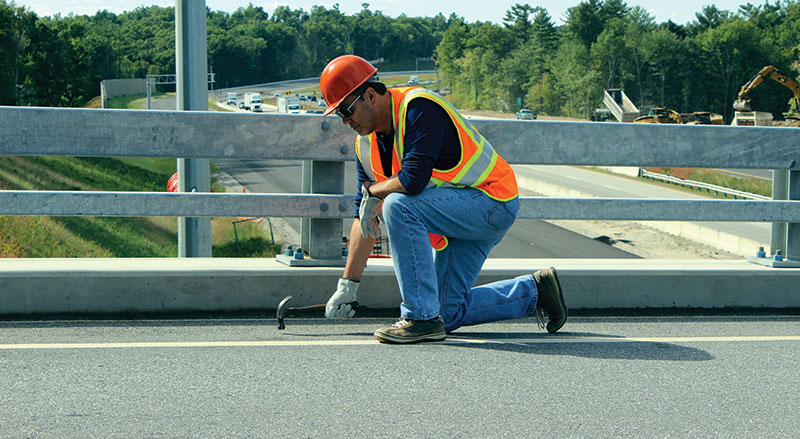
While drones and sonar handle the heavy data collection, the bridge inspector’s physical toolkit remains the first line of defense against structural decay. In 2026, the most effective inspections still rely on tactile feedback. A hammer tap can reveal delamination in concrete decks, while a probe can measure the depth of spalling or rebar exposure with precision. These handheld devices are not merely backup options; they are critical for verifying what remote sensors might miss.
The goal is to identify surface-level defects before they compromise the structural integrity of bearings, joints, or foundations. Inspectors need tools that are durable enough for outdoor conditions yet precise enough to record minute changes in concrete cover. The following products represent the standard equipment for this phase of bridge inspection 2026.


As an Amazon Associate, we may earn from qualifying purchases.
Safety gear and PPE for 2026 compliance
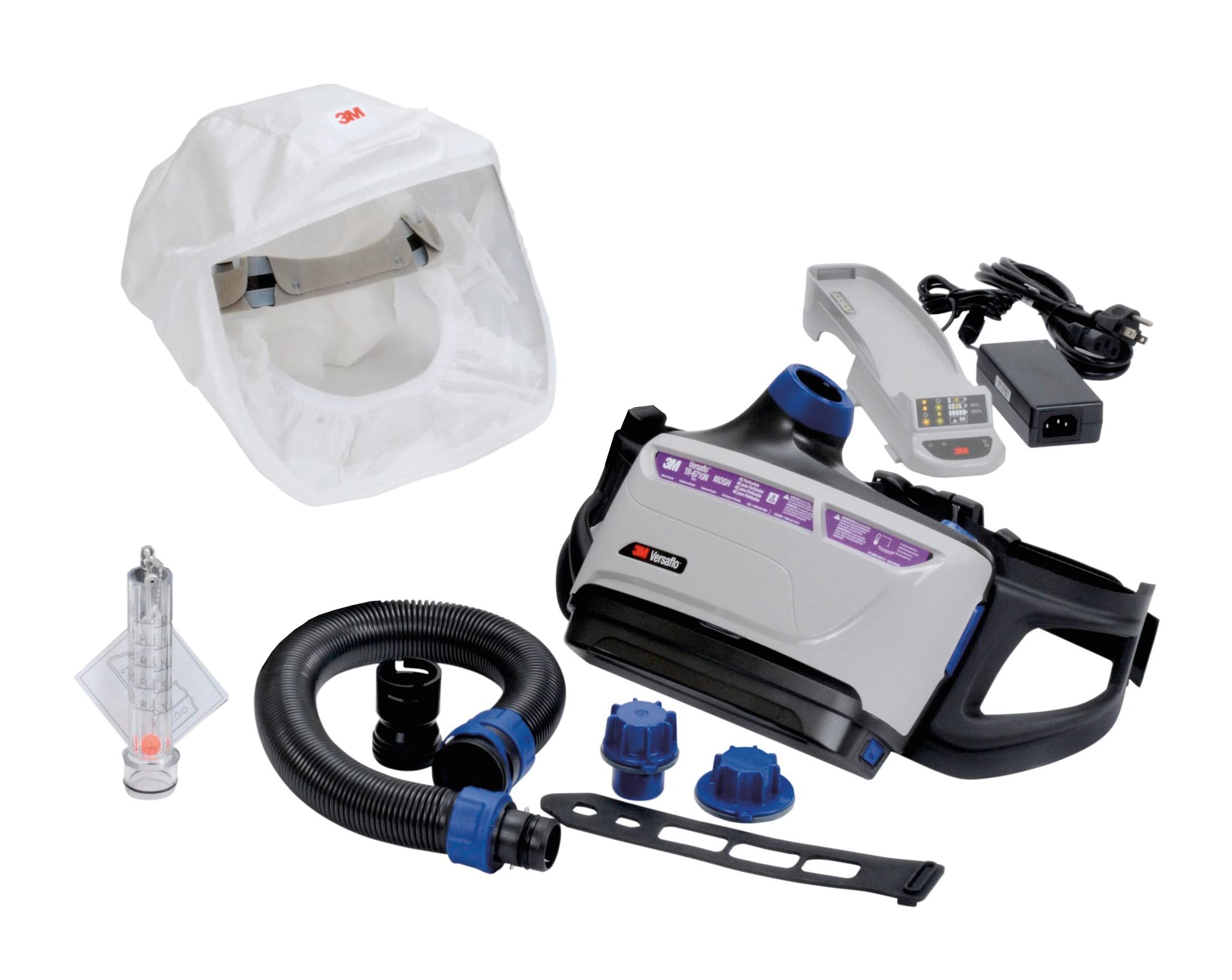
The 2026 National Bridge Inspection Standards (NBIS) updates, now incorporated into USACE Engineering Circulars, place a heavier emphasis on documented safety protocols and updated personal protective equipment (PPE) requirements. For bridge inspectors, this means moving beyond basic gear to certified systems that meet the latest federal and state mandates. The focus is on fall protection, high-visibility materials, and respiratory safety in confined or hazardous environments.
Modern bridge inspection 2026 protocols require gear that is not only durable but also compliant with the latest OSHA and ANSI standards. Inspectors working on older structures often face unique hazards, from deteriorating concrete to limited access points. The right PPE kit ensures you can perform thorough evaluations without compromising your safety. This includes harnesses with energy absorption, helmets with integrated face shields, and high-visibility vests that meet Class 3 standards for low-light conditions.
The following items form the core of a compliant 2026 safety kit. These products are selected for their adherence to current regulatory frameworks and their reliability in field conditions.



As an Amazon Associate, we may earn from qualifying purchases.
Investing in certified gear is non-negotiable. These products are designed to withstand the rigors of bridge inspection while ensuring you remain compliant with the 2026 safety standards. Always check for the latest ANSI and OSHA labels before purchasing.
How to choose the right bridge inspection 2026 kit
Selecting gear for bridge inspection 2026 requires balancing traditional durability with new AI capabilities. Your kit should match the specific structural challenges you face, whether that means inspecting deep foundations or monitoring steel bearings. Start by identifying the primary components of your target bridges, such as joints, piers, or substructures, and choose tools that address those specific wear points.
For agencies managing diverse portfolios, a hybrid approach often works best. Combine reliable manual tools like ultrasonic thickness gauges with AI-powered drones for hard-to-reach areas. This combination allows inspectors to verify critical structural integrity manually while using technology to capture high-resolution imagery for longitudinal analysis. Ensure your software can integrate these different data streams without creating silos.
Before finalizing your purchase, verify that every item meets current NBIS standards. Compatibility with your existing reporting software is equally important; fragmented workflows slow down inspections and increase the risk of data loss. Prioritize equipment that offers seamless data export and clear visual documentation capabilities to streamline your post-inspection reporting process.
FAQs about bridge inspection careers and costs
Bridge inspection is a stable, high-demand field with clear advancement paths for those willing to work outdoors and travel. The work involves checking foundations, bearings, and joints for structural integrity, often requiring specialized gear like the tools highlighted in this guide for bridge inspection 2026.
How much money do bridge inspectors make?
The average bridge inspector in the US earns approximately $81,822 annually, according to Comparably data. Salaries vary significantly by location, with inspectors in high-cost areas like San Jose, CA, averaging $161,548. Total compensation often includes overtime and hazardous duty pay, which can substantially increase annual earnings.
Is bridge inspection a good career choice?
Yes, the profession offers strong job security due to aging infrastructure and federal funding initiatives. Inspectors typically work for state departments of transportation or private engineering firms, with roles ranging from routine visual checks to complex non-destructive testing using advanced tech.
What certifications do I need to become a bridge inspector?
Most states require certification through the National Bridge Inspection Standards (NBIS). This usually involves completing specific training courses and accumulating field experience. Many inspectors start as technicians or engineers and work their way up to certified inspector status, often using practical guides and safety kits to meet compliance standards.
No comments yet. Be the first to share your thoughts!