Federal inspection updates for 2026
The regulatory landscape for bridge safety is shifting significantly in 2026. New mandates from federal agencies are tightening the requirements for how bridges are inspected, evaluated, and maintained. These changes affect both public infrastructure managed by the Federal Highway Administration (FHWA) and military bridges under the U.S. Army Corps of Engineers (USACE).
The FHWA is reinforcing its National Bridge Inspection Standards (NBIS) to ensure consistent data collection and risk assessment. While the core framework remains, the 2026 updates emphasize stricter documentation for critical components and more frequent checks on aging structures. This aligns with the American Society of Civil Engineers (ASCE) advocacy for fully funded and consistently operated bridge safety programs.
For USACE-managed bridges, the changes are more structural. Engineering Manual (EM) 1110-2-1102 and Engineering Regulation (ER) 1110-2-111 have been updated to reflect new inspection protocols. These documents now require more detailed evaluation criteria for bridge safety, moving beyond basic visual checks to include more rigorous engineering assessments.
These updates are not merely procedural; they reflect a broader push to prevent structural failures. By standardizing inspection methods across federal jurisdictions, the goal is to create a more reliable baseline for bridge safety. Stakeholders must review these new rules to ensure compliance and maintain the integrity of the nation's bridge infrastructure.
Smart sensors replace manual checks
The shift from periodic manual inspections to continuous monitoring marks a fundamental change in how bridge safety is managed. While visual checks by engineers remain important, they only capture a snapshot in time. Smart sensors provide a constant stream of data, allowing authorities to detect structural anomalies before they become visible or dangerous.
This technology acts as a nervous system for infrastructure. Sensors embedded in bridges measure stress, vibration, and strain in real time. When data deviates from normal patterns, maintenance teams can investigate specific areas rather than scheduling broad, disruptive inspections. This targeted approach reduces both risk and cost.
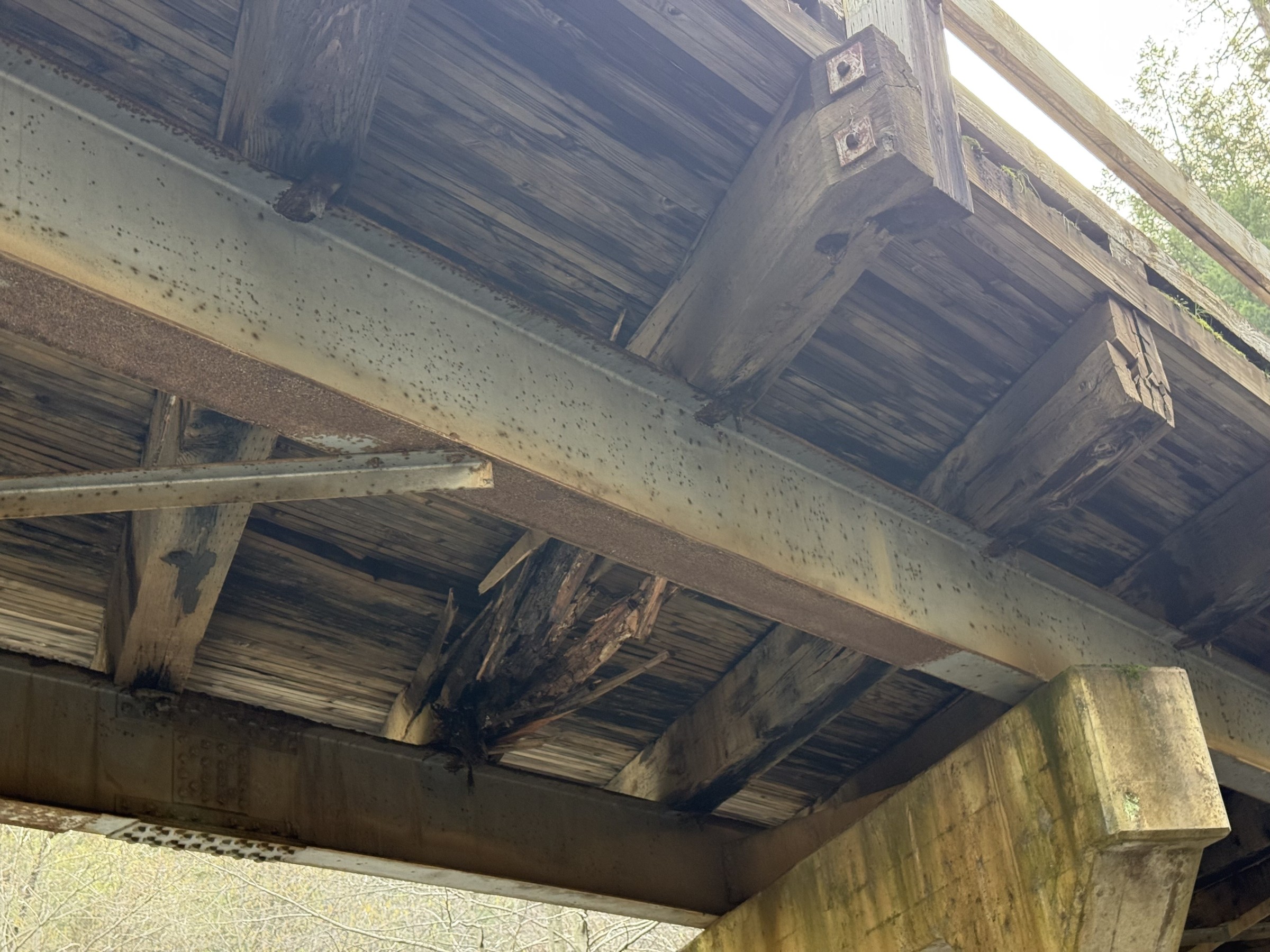
The urgency behind this transition is clear. Recent events, such as the June 2, 2026, emergency travel advisory on the George Washington Bridge by the Port Authority of New York and New Jersey, highlight the need for immediate, reliable data during critical incidents. Continuous monitoring ensures that such advisories are based on live structural integrity rather than delayed reports.
As jurisdictions adopt these mandates, the focus is shifting toward early detection. By identifying issues like corrosion or fatigue cracks early, agencies can extend the lifespan of bridges and prevent catastrophic failures. This proactive stance is becoming the standard for bridge safety in 2026.
Impact on Major Infrastructure Projects
The 2026 inspection mandates have shifted how authorities manage high-profile crossings, turning routine maintenance into complex logistical operations. For structures carrying heavy regional traffic, the new sensor requirements and increased inspection frequency mean that closures are no longer brief overnight windows but extended, coordinated events.
The George Washington Bridge serves as a primary example of this operational shift. On June 2, 2026, the Port Authority of New York and New Jersey implemented a travel advisory requiring a three-hour closure from 10:30 a.m. to approximately 1:30 p.m. This was not a standard maintenance pause but an interagency emergency inspection driven by the new safety protocols [src-serp-1]. Such closures highlight the immediate friction between rigorous safety standards and daily commuter demands.
In Maryland, the impact manifests differently but with equal significance. The Chesapeake Bay Bridge, a critical link for the region, faces annual inspections that now include deeper structural assessments. While the Federal Highway Administration oversees federal compliance, the state’s focus on these major crossings means that traffic disruptions are becoming more predictable yet more invasive [src-serp-8]. Drivers must adjust to a reality where infrastructure integrity is prioritized through visible, sometimes inconvenient, operational pauses.
These examples illustrate a broader trend: major bridges are no longer treated as static assets but as dynamic systems requiring constant, visible verification. The result is a travel landscape where safety is undeniable, but convenience is increasingly negotiated through scheduled interruptions.
Stay Informed Before You Cross
New sensor mandates and 2026 inspection rules mean bridge statuses can change rapidly. Relying on static maps or memory is no longer safe. Drivers must check official sources immediately before departure. State departments of transportation (DOT) are the primary source for real-time closure data, weight restrictions, and emergency alerts.
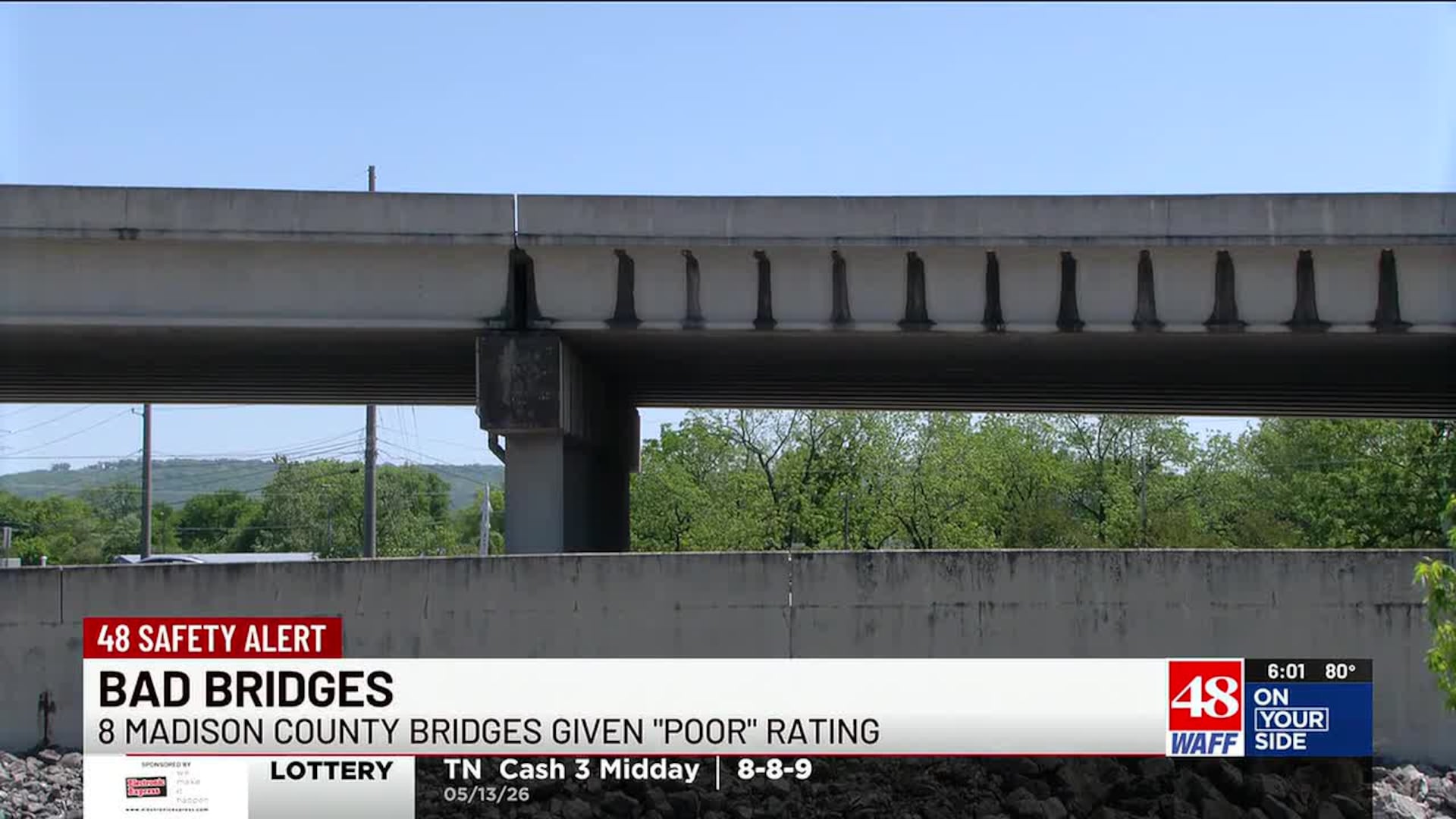
Visit your state’s DOT homepage. Look for the "Travel" or "Road Conditions" tab. For example, the Maryland SHA site lists inspection statuses for major crossings like the Chesapeake Bay Bridge. These sites update daily during active inspection windows.
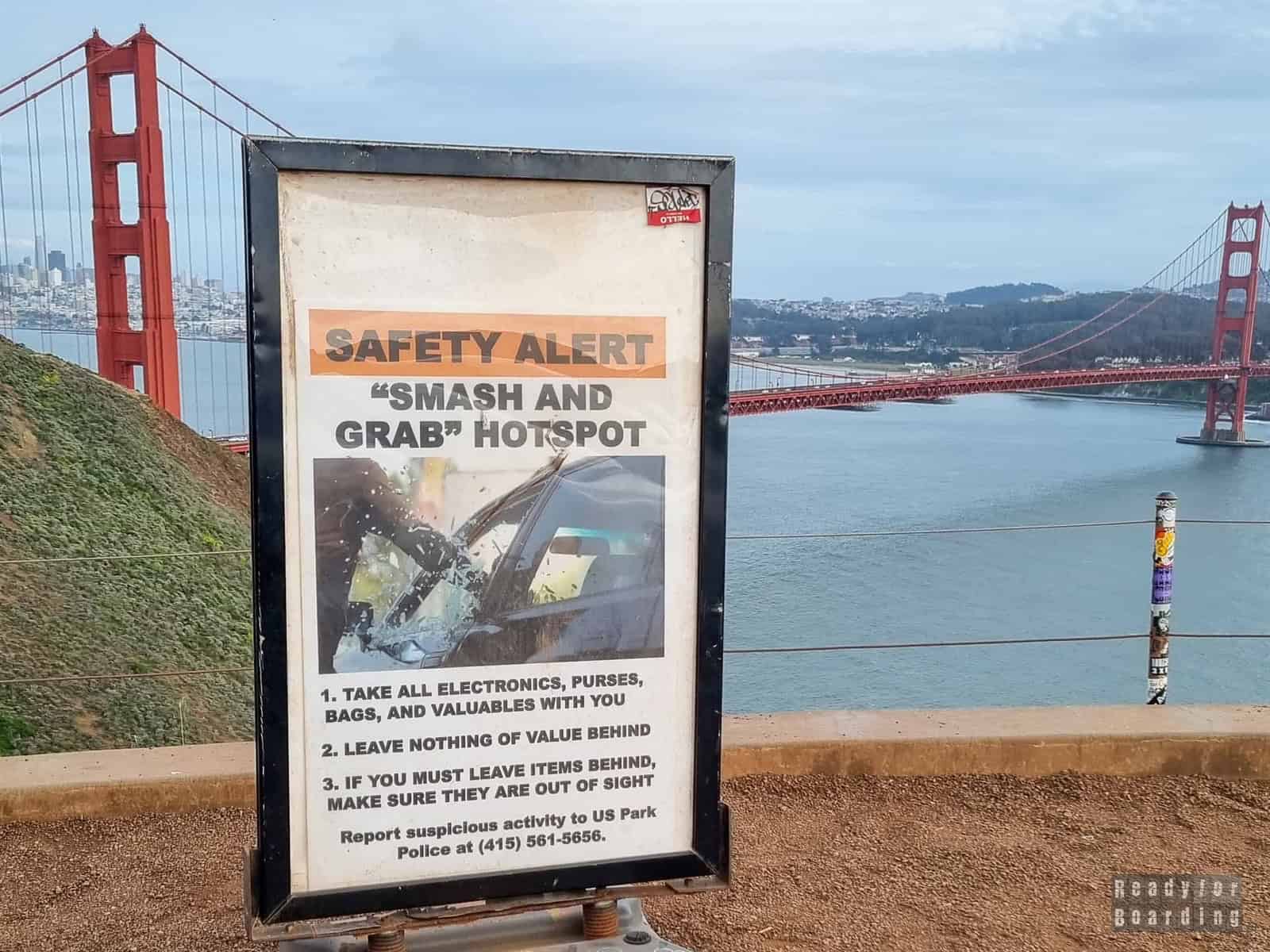
Use state-specific apps like Drive Maryland or local transit tools. These push notifications for sudden lane closures or structural alerts. They are faster than radio updates during rush hour.
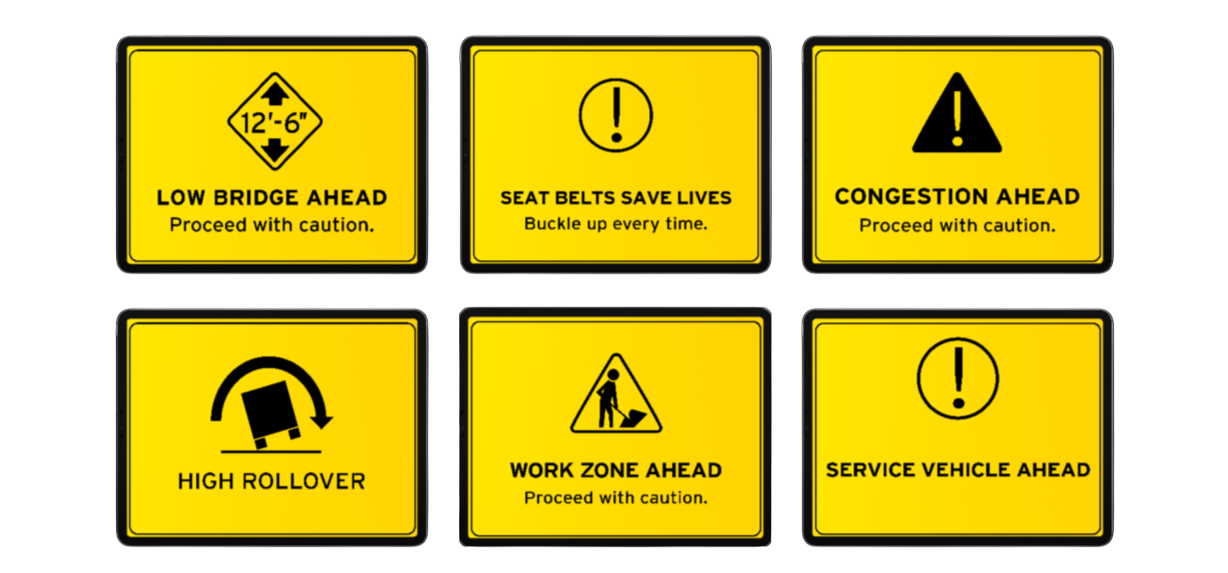
2026 rules require stricter load monitoring. If a bridge is under repair, weight limits may drop overnight. Always check the "Restrictions" section on your DOT site before driving a heavy vehicle.
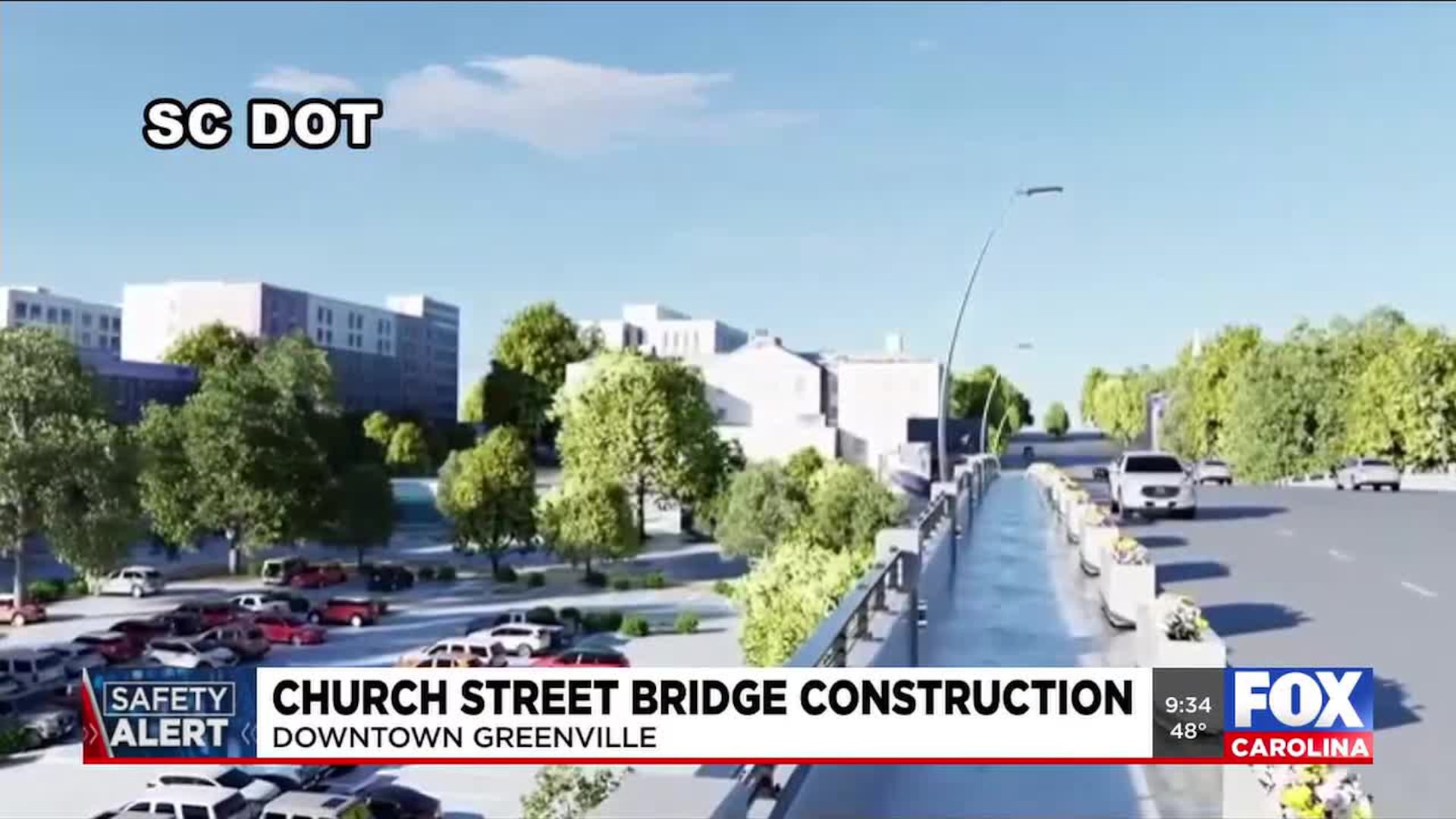
If a bridge is closed, official detours are clearly marked. Do not attempt to bypass barricades. These zones are active work sites with heavy machinery and unstable surfaces. Always follow posted signage and flagger instructions.
No comments yet. Be the first to share your thoughts!