Spotting bridge safety 2026 warning signs
Bridge safety 2026 inspection rules place a heavier burden on drivers to act as the first line of defense. While engineers conduct formal assessments, you are the one seeing the structure every day. Learning to recognize physical symptoms of distress allows you to report issues before they become critical failures.
Fresh cracks in concrete decks or expansion joints are often the earliest warning signs. Look for hairline fractures that widen over time or spalling where the concrete surface flakes away, exposing the rebar beneath. These defects allow water and de-icing salts to penetrate deeper into the structure, accelerating corrosion and weakening the load-bearing capacity.
Rust stains and active water leaks are equally telling. Brown streaks running down the sides of a bridge or dripping from the underside indicate that water is moving through the structure, carrying corrosive elements with it. In cold climates, ice buildup in cracks can exacerbate damage during freeze-thaw cycles, making early detection vital.
The 2026 updates to bridge inspection protocols emphasize this proactive role. By identifying these visible symptoms early, you help ensure that maintenance crews can address structural issues before they compromise safety. Stay alert, look up, and report what you see.
How AI monitoring systems detect hidden damage
Drivers notice symptoms long before engineers do. A bridge might hum differently under load, or a deck might show subtle cracking that looks minor from the highway. These are early warnings. For decades, we relied on manual visual inspections to catch these signs. Inspectors climbed under spans with flashlights and hammers, looking for rust, spalling concrete, or loose bolts. It was thorough, but it was also slow, expensive, and often missed damage hidden inside the structure.
AI-driven structural health monitoring (SHM) changes that equation. Instead of waiting for an annual visit, modern bridges use networks of sensors to watch their own health in real time. These systems act like a continuous diagnostic checkup, capturing data that human eyes simply cannot see.
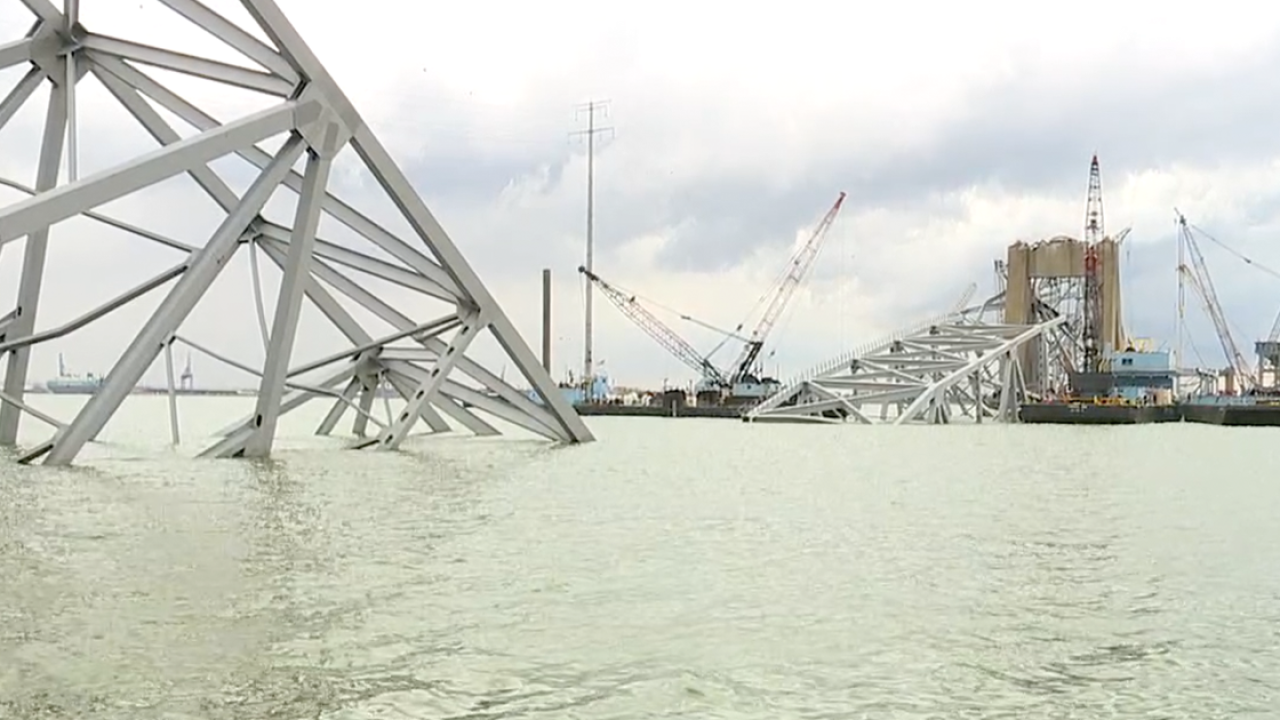
Fiber optic cables, accelerometers, and strain gauges are embedded into the bridge’s structure. They measure vibration, temperature shifts, and stress loads every second. This creates a live digital twin of the bridge’s physical state, capturing how it reacts to traffic, wind, and even earthquakes.
Machine learning models analyze this stream of data. They know what the bridge’s normal behavior looks like. When a pattern deviates—such as a slight change in resonance frequency—the system flags it. This allows engineers to spot internal corrosion or micro-fractures before they become visible cracks on the surface.
Rather than reacting to failure, agencies can now predict it. The AI estimates how much life remains in a component and schedules repairs before the structure becomes unsafe. This shift from reactive to proactive monitoring is the core of the 2026 safety standards, ensuring that bridges are maintained based on actual condition rather than a fixed calendar.
This technology doesn’t just extend the life of a bridge; it provides objective evidence for safety decisions. As noted by the International Association for Bridge Maintenance and Safety, the integration of these digital tools is becoming a standard requirement for major infrastructure projects. The result is a safer road network where hidden damage is caught early, keeping drivers moving with confidence.
New federal inspection standards for 2026
The 2026 regulatory shift moves bridge safety from reactive repairs to proactive monitoring. The U.S. Army Corps of Engineers (USACE) updated its Bridge Safety Program via Engineering Regulation 1110-2-111, while the American Association of State Highway and Transportation Officials (AASHTO) refined its inspection guidelines. These changes mandate stricter timelines and more rigorous data collection, ensuring that structural degradation is caught before it impacts the roadway.
For drivers, this translates to fewer surprise closures and more consistent maintenance. The new standards require inspectors to document specific deterioration metrics—such as concrete spalling and steel corrosion—with greater precision. This data feeds directly into national asset management systems, allowing agencies to prioritize funding for the most critical infrastructure first.
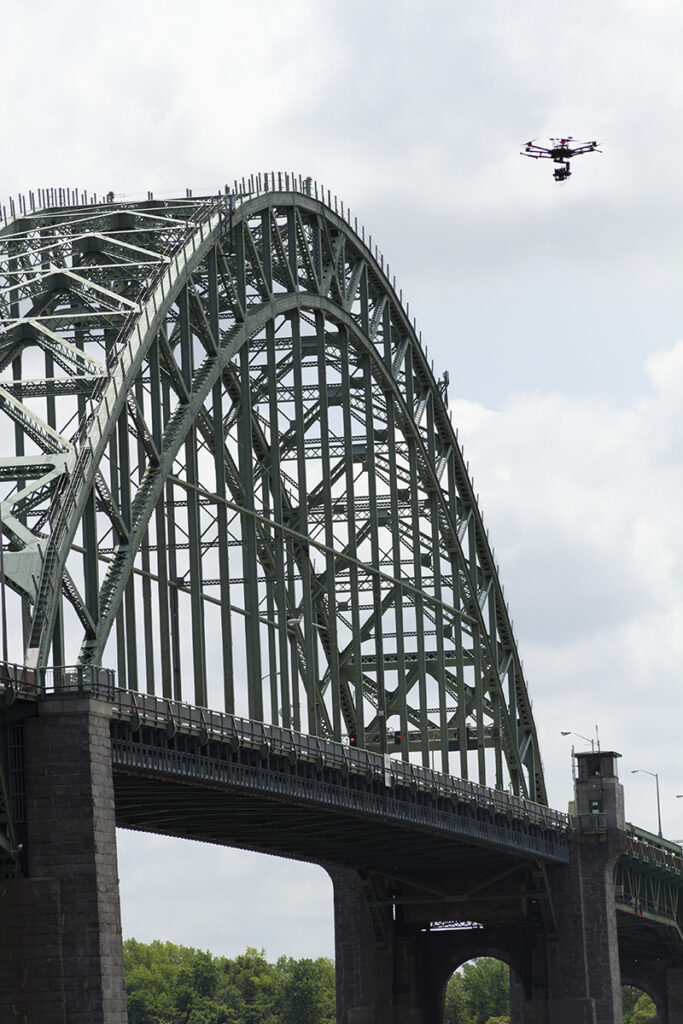
The shift also emphasizes the use of advanced technologies. Drones, LiDAR, and structural health monitoring sensors are now standard tools for assessing hard-to-reach components. By integrating these tools into the inspection workflow, agencies can reduce risk to human inspectors while gathering more accurate, repeatable data.
What to look for when crossing older bridges
While federal standards drive the big picture, your awareness adds a layer of personal safety. Use this checklist to spot potential issues when driving over older structures:
- Weight limit signs: Check for posted restrictions, especially if you are towing a trailer or driving a heavy vehicle.
- Recent repair patches: Look for fresh concrete or steel patches, which indicate active maintenance and structural attention.
- Unusual vibrations: Note any excessive shaking or noise that seems out of the ordinary for the bridge type.
- Visible corrosion: Spot rust stains on steel beams or cracks in concrete supports that may signal deeper issues.
Common bridge inspection mistakes to avoid
Drivers often mistake a quiet road for a safe one, but bridges rarely announce their decline with warning signs. The most frequent error is ignoring minor symptoms like fresh cracks in the deck, rust stains on steel beams, or the rhythmic thumping of a bumpy ride. These are not just annoyances; they are early indicators of structural fatigue that, if left unchecked, can lead to catastrophic failure. A bridge is a complex system of interdependent parts, and a small issue in one area often signals stress elsewhere.
Professional inspections face their own set of pitfalls. The biggest mistake is relying solely on visual checks from a distance. While new standards in 2026 emphasize advanced technology, many older protocols still prioritize surface-level observations over deep structural analysis. Inspectors might miss hidden corrosion inside hollow box girders or internal tendon failures in concrete decks because they cannot see them. This "out of sight, out of mind" approach is dangerous because it delays the repair of critical components until they are already compromised.
To ensure safety, we must shift from reactive fixes to proactive monitoring. This means taking those minor symptoms seriously and demanding thorough, technology-backed inspections. New rules require more frequent and detailed checks, including the use of drones and ground-penetrating radar to see what the naked eye cannot. By combining driver awareness with rigorous professional standards, we can catch problems early and keep our bridges safe for years to come.
Frequently Asked Questions About Bridge Safety
Drivers often worry about specific structures or the general safety of different bridge types. With new inspection rules in 2026, understanding these basics helps you stay informed while on the road.
Quick checklist
-
Match the sizeMake sure the bridge safety 2026 option fits your household, storage space, and normal batch size.
-
Check the materialChoose a material that handles heat, washing, and regular use without becoming a chore.
-
Plan the cleanupAvoid anything that needs more maintenance than you are likely to give it.
-
Keep one fallbackHave a simple backup option for rushed days.
No comments yet. Be the first to share your thoughts!