Spot the new 2026 inspection requirements
The 2026 regulatory landscape for bridge inspection has shifted from routine visual checks to mandated data-driven evaluations. For structural engineers, this means the era of relying solely on surface-level observations is ending. New federal updates, particularly those from the USACE and updated NHI course requirements, now demand rigorous quantitative analysis to validate structural integrity.
A primary driver of this change is the revision to USACE Engineering Regulation (ER) 1110-2-111 and its alignment with 23 CFR Part 650. These updates require inspectors to move beyond documenting visible distress. Instead, they must quantify the impact of that distress on load-carrying capacity. For example, a hairline crack is no longer just noted; it must be measured, monitored, and correlated with material degradation models to determine if it affects safety ratings.
Compliance also hinges on updated training protocols. The 2026 SEI-NHI Bridge Safety Inspection course introduces stricter competency standards. Engineers must now demonstrate proficiency in advanced diagnostic tools and data interpretation techniques. This ensures that every inspection report is backed by a standardized, defensible methodology rather than subjective judgment.
These changes are designed to prevent failures that occur when subtle structural issues are overlooked. By requiring data-driven evaluations, the new protocols ensure that even minor anomalies are assessed for their long-term impact. This shift protects public safety by making every inspection report a reliable snapshot of the bridge's true condition.
Run the updated structural health checks
The 2026 bridge inspection mandates shift the burden of proof from visual guesswork to data-backed verification. Inspectors can no longer rely on surface-level observations alone. The new protocols require a linear, documented workflow that integrates AI-assisted monitoring tools to detect subtle structural anomalies before they become visible failures.
This section outlines the concrete steps to execute a compliant structural health check. Follow this sequence to ensure every inspection meets the rigorous standards required by the 2026 Bridge Collapse Prevention Mandate.
Before any structural assessment begins, establish a controlled environment. The 2026 protocols require the deployment of permanent or temporary IoT sensors at critical load points. Calibrate these devices to baseline readings. This step eliminates the "silent failure" risk seen in older bridges where internal corrosion went undetected until concrete spalling occurred. Ensure all wireless connections are stable before proceeding.
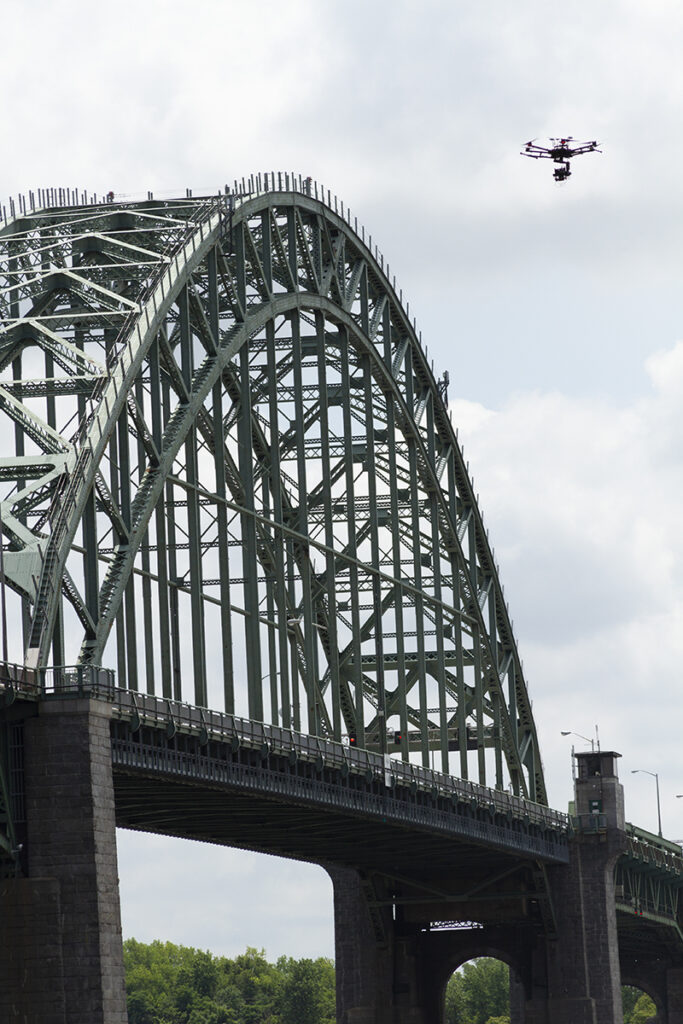
Use drone-mounted LiDAR and high-resolution cameras to capture the bridge’s superstructure. The new mandates require AI algorithms to compare these scans against the original design blueprints. Look for deviations in deck alignment or unexpected deflection. This technology identifies hairline cracks and corrosion patterns that are invisible to the naked eye, flagging them for closer physical inspection.
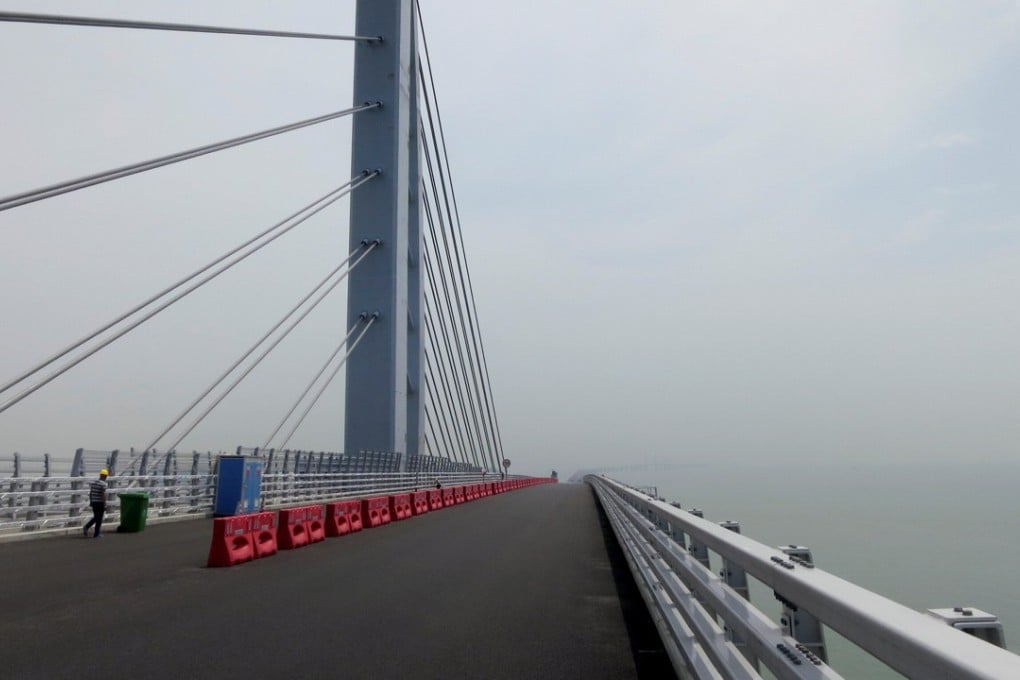
Where AI scans flag anomalies, send a trained inspector for physical verification. Use non-destructive testing (NDT) methods like ultrasonic thickness gauging or ground-penetrating radar on suspect areas. This step confirms whether the AI’s prediction of structural weakness is accurate. Document every finding with timestamped photos and sensor data logs to create an unbroken chain of evidence.
Compare the collected sensor data against the updated 2026 safety thresholds. These thresholds account for increased traffic loads and climate-induced stressors. If any metric exceeds the safe limit, the system automatically generates a priority alert. This step replaces manual data crunching with automated compliance checks, ensuring that no marginal structural deficit goes unnoticed.
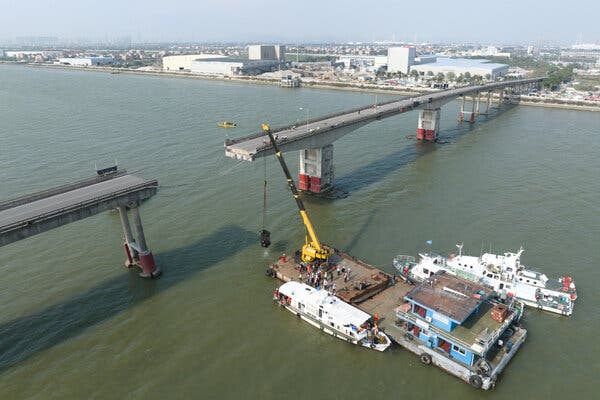
Finalize the inspection by uploading all data, AI analysis reports, and physical verification logs to the central regulatory database. The 2026 mandates require a unified digital record for every bridge. This ensures that future inspectors have access to a complete history of structural health. Failure to submit this report within the mandated window triggers an automatic audit flag.
Avoid common reporting errors in 2026
The 2026 inspection mandates tighten the requirements for data granularity and digital submission. Structural engineers and inspectors often stumble when adapting to these stricter protocols. The most frequent failure is treating the new digital forms as mere administrative hurdles rather than critical safety records. This mindset leads to vague descriptions that fail to capture the severity of structural distress.
One persistent error is the misclassification of crack width and depth. Under the new standards, a hairline crack on a deck surface requires different documentation than a structural fissure in a pier. Inspectors who rely on visual estimation without precise caliper measurements often underestimate the propagation rate. This oversight can delay necessary interventions, turning minor maintenance into major rehabilitation projects.
Another common mistake is the incomplete recording of inspection conditions. The 2026 protocols require detailed metadata regarding weather, lighting, and access limitations during the inspection. Omitting this context makes it difficult for reviewing engineers to assess the reliability of the findings. For instance, a shadow cast by scaffolding might obscure a corrosion spot, leading to a false negative if not documented.
Missing metadata or vague defect descriptions are the leading causes of report rejection in the 2026 cycle. Ensure every observation is tied to specific, measurable data points.
To correct these errors, teams should adopt a standardized pre-submission checklist. This ensures that every report includes precise measurements, clear photographic evidence, and complete contextual metadata. By focusing on accuracy and completeness, inspectors can ensure their reports meet the new regulatory demands and, more importantly, uphold the integrity of bridge safety.
-
Verify crack width and depth measurements are recorded in millimeters
-
Confirm all inspection conditions (weather, lighting) are documented
-
Ensure photographic evidence clearly shows defect location and scale
-
Cross-reference digital entries with physical field notes for consistency
Integrate AI tools for better collapse prevention
The 2026 bridge safety landscape demands a shift from reactive repair to predictive maintenance. Structural engineers can no longer rely solely on periodic visual inspections to catch hidden deterioration. Artificial intelligence now processes data from sensors and drones to identify structural anomalies before they become critical failures. This integration is no longer experimental; it is becoming a standard requirement for major infrastructure projects.
Implementing these systems starts with the right hardware. Deploying high-resolution aerial cameras, such as the Phase One Aerial iXM-100, allows inspectors to capture detailed imagery of hard-to-reach areas. These images feed directly into AI models trained to detect micro-cracks, corrosion, and deck delamination that the human eye might miss during a routine walkthrough.
To prevent collapse, inspectors must establish a continuous data loop. Instead of waiting for an annual audit, AI tools analyze real-time stress and vibration data from installed sensors. When the algorithm detects patterns consistent with fatigue or overload, it triggers an immediate alert. This proactive approach ensures that maintenance crews can address issues while they are still manageable, significantly reducing the risk of sudden structural failure.
Successful implementation requires training teams to interpret AI-generated risk scores rather than just raw data. Engineers should focus on validating the algorithm’s findings against physical inspections to refine accuracy. By combining advanced monitoring with expert oversight, agencies can extend bridge lifespans and ensure public safety under the new 2026 mandates.
FAQs for bridge inspectors in 2026
What new training is required for 2026 inspections?
The 2026 mandate introduces specialized certification tracks focused on advanced diagnostic technologies. Inspectors must complete updated coursework covering NHI (National Highway Institute) standards, with a heavy emphasis on non-destructive testing (NDT) methods like ground-penetrating radar and ultrasonic thickness gauging. For example, while traditional visual checks might miss subsurface corrosion in deck joints, NDT training ensures inspectors can detect these hidden defects before they become structural failures. The SEI Illinois Chapter and other regional bodies are already hosting updated Safety Inspection of In-Service Bridges courses to meet this demand.
How do new protocols prevent common inspection failures?
Previous inspection failures often stemmed from inconsistent documentation of minor cracks that later expanded into critical fractures. The 2026 protocols require standardized digital reporting with timestamped geotagged photos and mandatory secondary verification for any rating change of one or more. This eliminates the "he said, she said" ambiguity of paper logs. By enforcing strict data entry rules, agencies can now trace the progression of defects over time, allowing for proactive maintenance rather than reactive emergency repairs.
Which tools are now mandatory for compliance?
While not every tool is legally mandated, the new compliance framework effectively requires digital data collection systems that integrate directly with state DOT databases. Manual notebooks are no longer sufficient for audit trails. Inspectors should equip themselves with ruggedized tablets running approved inspection software and calibrated NDT devices. These tools ensure that every finding is captured with the precision required for the 2026 safety audits, reducing human error and ensuring that no defect goes unrecorded in the official registry.
No comments yet. Be the first to share your thoughts!