
Blockchain interoperability has come a long way, but with the rapid adoption of cross-chain messaging protocols, 2024 has seen a dramatic shift in both opportunity and risk. As protocols race to connect disparate networks and enable seamless asset transfers, they inadvertently open the door to new attack vectors that simply don’t exist in single-chain environments. If you’re a developer, DeFi user, or security researcher, understanding these risks isn’t optional - it’s essential for survival.
Why Cross-Chain Messaging Is Both Powerful and Perilous
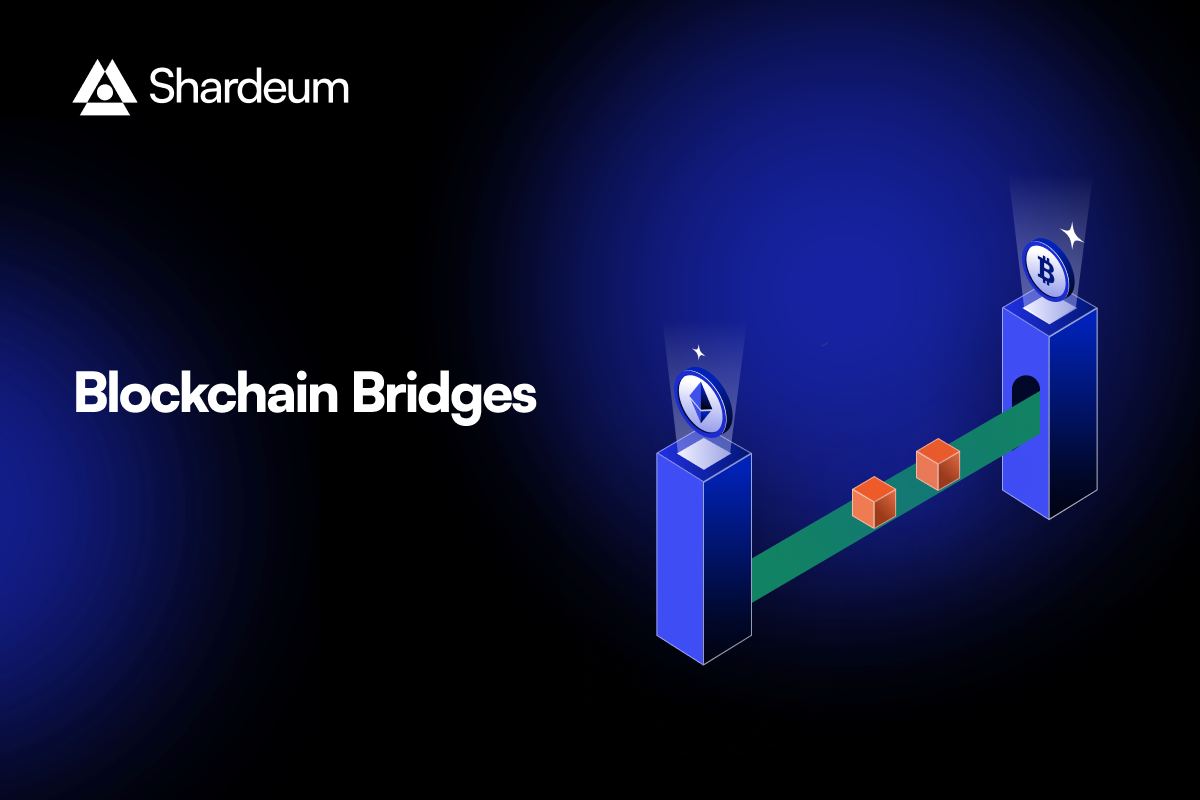
Cross-chain messaging protocols are the backbone of blockchain interoperability. They allow smart contracts on one chain to communicate with contracts on another, unlocking use cases from asset swaps to decentralized identity verification. But this complexity is a double-edged sword. Every additional connection between chains introduces new surfaces for attackers to probe.
According to recent analysis, the Poly Network hack exploited a signature verification flaw in its cross-chain smart contract logic, leading to a staggering $611 million loss. This isn’t just an isolated event - it’s emblematic of systemic issues plaguing the space.
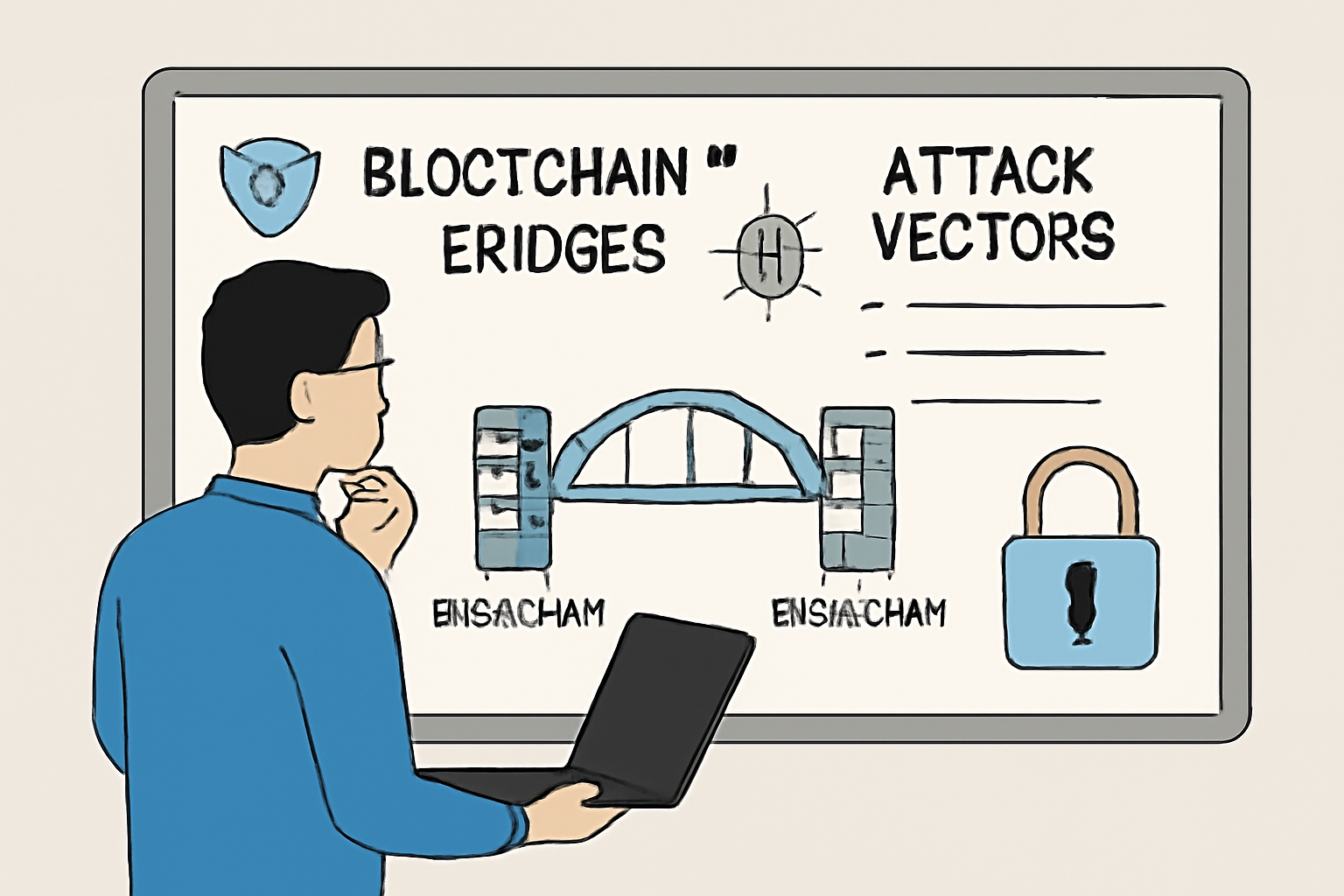
The Seven Most Critical Cross-Chain Attack Vectors
Seven Key Vulnerabilities in Cross-Chain Protocols
- Smart Contract Vulnerabilities: Complex cross-chain smart contracts often harbor exploitable bugs. The Poly Network hack in 2021, for example, resulted in a $611 million loss due to a signature verification flaw.

- Centralization Risks: Many bridges rely on a small set of validators, creating single points of failure. The Ronin Bridge hack saw attackers compromise validator nodes, leading to a $625 million theft.
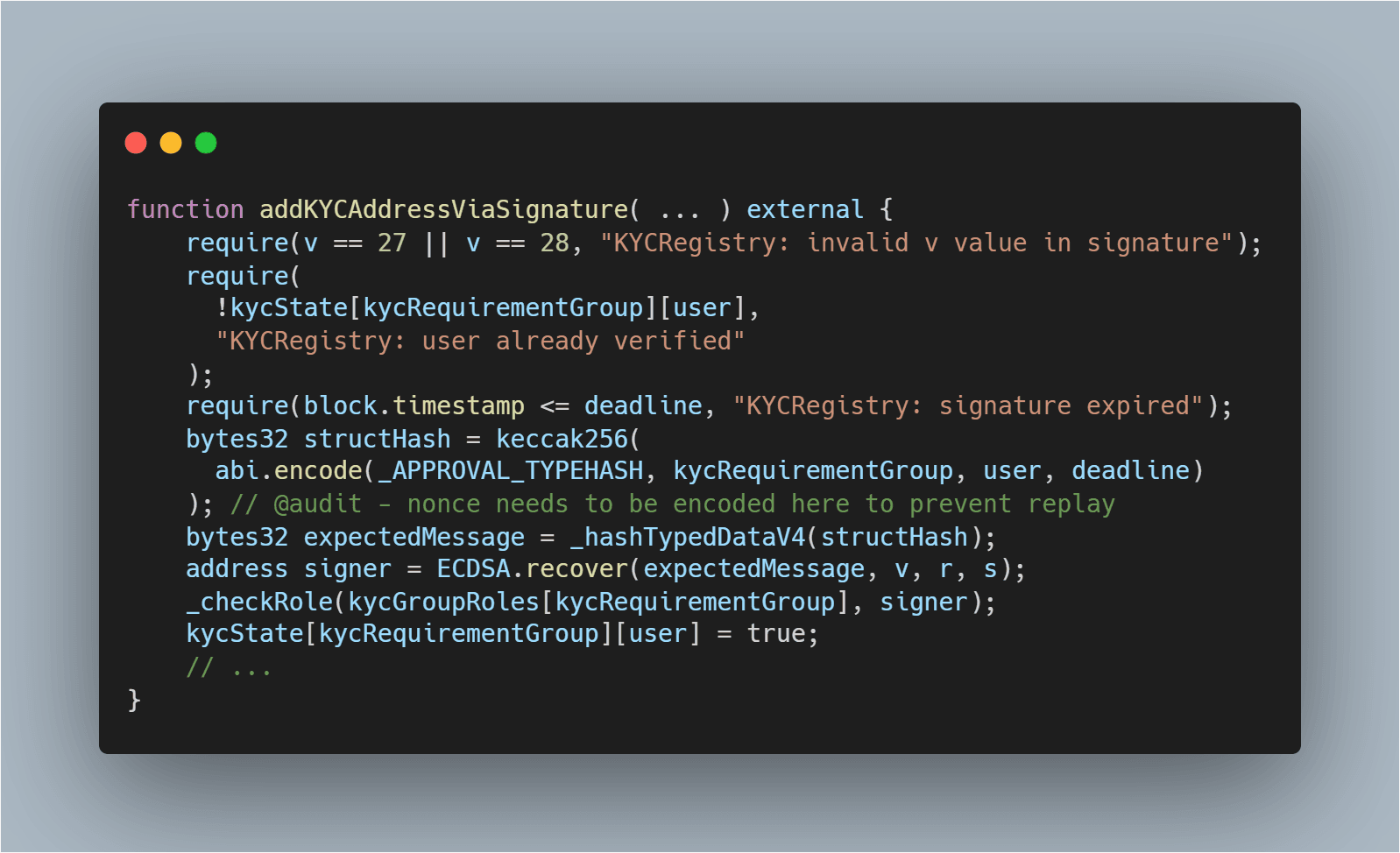
- Replay Attacks: Transactions valid on one chain can be maliciously replayed on another, causing unintended asset transfers. Early Ethereum Classic implementations were notably vulnerable to this.
- Fake Asset Minting: Attackers may mint fraudulent tokens on one chain and bridge them to another, undermining trust in the bridge's minting process and enabling asset manipulation.

- Economic Attacks: Flash loan manipulations and price oracle exploits can destabilize cross-chain protocols, triggering cascading liquidations and loss of funds.

- Oracle Manipulation: Cross-chain protocols often rely on decentralized oracles for price feeds and data. If oracles are compromised, attackers can manipulate asset prices and drain liquidity pools.
- Liquidity Risks: Insufficient liquidity or flawed liquidity management in bridges can lead to failed transfers, slippage, or exploit opportunities for arbitrageurs.
Let’s break down the most pressing threats making headlines (and draining wallets) in 2024:
- Smart Contract Vulnerabilities: Complex logic increases the risk of exploitable bugs, as seen with Poly Network.
- Centralization Risks: Bridges often rely on a small group of validators; compromise just a few and you control the bridge (see Ronin Bridge’s $625 million breach).
- Replay Attacks: Duplicate transactions across chains can wreak havoc if protocols lack proper replay protection.
- Fake Asset Minting: Attackers mint fraudulent tokens on one chain and move them across bridges, undermining trust.
- Economic Attacks: Flash loans and price manipulation can destabilize liquidity pools and trigger cascading failures.
This list is far from exhaustive - researchers have identified over 45 distinct vulnerabilities across various layers of these systems (source). Each layer introduces its own blend of technical debt, economic incentive misalignments, and implementation pitfalls.
The Anatomy of Recent High-Profile Exploits
If you’re wondering why these risks matter so much right now, just look at the numbers. From Poly Network’s $611 million loss due to smart contract bugs to Ronin Bridge’s $625 million validator compromise, attackers are exploiting every possible weakness in real-time. These aren’t theoretical threats - they’re existential challenges for DeFi users and protocol builders alike.
The Ronin incident is particularly instructive: by compromising just five out of nine validators (a majority), hackers gained full control over bridge operations. This extreme centralization risk is not unique; many popular bridges still rely on small validator sets or even single custodians for critical operations.
The bottom line? As cross-chain messaging becomes more integral to Web3 infrastructure, attackers will continue targeting its weakest links. In our next section we’ll dive deeper into mitigation strategies that leading teams are deploying right now - but first let’s explore how these attack vectors have evolved alongside advances in interoperability tech.
Evolving Threats: How Attack Vectors Adapt to New Protocol Designs
As cross-chain messaging protocols mature, so do the tactics of would-be attackers. The arms race between security researchers and exploiters is relentless. For example, replay attacks have become more sophisticated in 2024, leveraging nuanced differences in transaction formatting between chains. Attackers now use automated bots to scan for bridges lacking robust replay protection, targeting even newly launched protocols.
Meanwhile, fake asset minting schemes have evolved beyond simple token forgeries. Sophisticated adversaries now exploit oracles and liquidity routing logic to create assets that appear legitimate at first glance but are backed by nothing. This undermines not just individual bridges but the broader trust in cross-chain ecosystems.
Economic attacks, such as flash loan exploits, remain a persistent threat. In one recent incident, a coordinated price manipulation on a low-liquidity chain triggered cascading liquidations across multiple DeFi protocols linked by a bridge, causing millions in losses within minutes. The interconnectedness that makes cross-chain messaging powerful also amplifies the blast radius of any single exploit.
Implementing Replay Protection & Validator Decentralization in Cross-Chain Messaging




Mitigation Strategies That Actually Work
The good news? The industry isn’t standing still. Leading teams are deploying a suite of defenses designed to outpace attackers:
- Decentralizing Validators: Multi-signature and threshold cryptography schemes distribute control across larger validator sets, reducing single points of failure.
- Formal Verification and Audits: Rigorous code audits and mathematical proofs (formal verification) are becoming standard before launch, catching bugs before they go live.
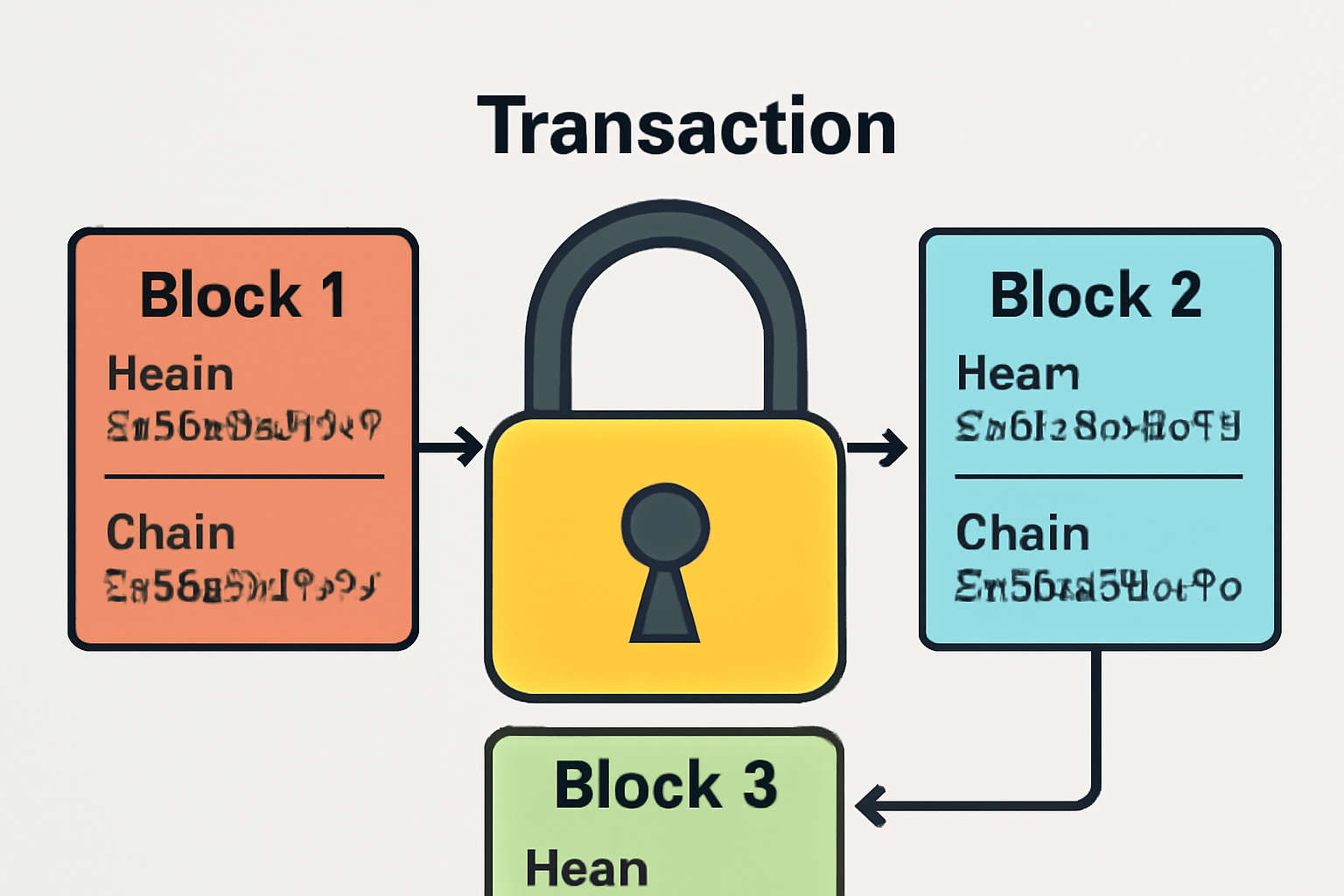
- Replay Protection: Unique transaction identifiers and domain separation ensure that transactions can’t be maliciously copied across chains.
- Robust Validation Protocols: Enhanced checks at every stage, minting, burning, transferring, help catch fraudulent assets before they propagate.
- Economic Safeguards: Decentralized oracles and circuit breakers protect against price manipulation and sudden liquidity shocks.
If you’re building or using cross-chain infrastructure in 2024, these aren’t optional, they’re table stakes. Regular penetration testing and bug bounty programs are also critical for surfacing vulnerabilities before they’re exploited in the wild (source).
Staying Ahead: Tools Every Security-Conscious User Needs
The ecosystem is responding with new tools that empower users and developers alike to stay vigilant. Real-time risk scanners can monitor bridge health and flag anomalies instantly. Open-source audit reports offer transparency into protocol design decisions, helping users make informed choices about where to move their assets.
Top 5 Real-Time Tools for Cross-Chain Bridge Security
- Chainalysis Reactor: This industry-leading blockchain analytics platform offers real-time monitoring and alerting for suspicious cross-chain bridge activity, helping teams quickly detect and investigate potential exploits.

- BlockSec Phalcon: Phalcon by BlockSec provides real-time on-chain threat detection, including monitoring for smart contract vulnerabilities and abnormal transactions across multiple chains and bridges.

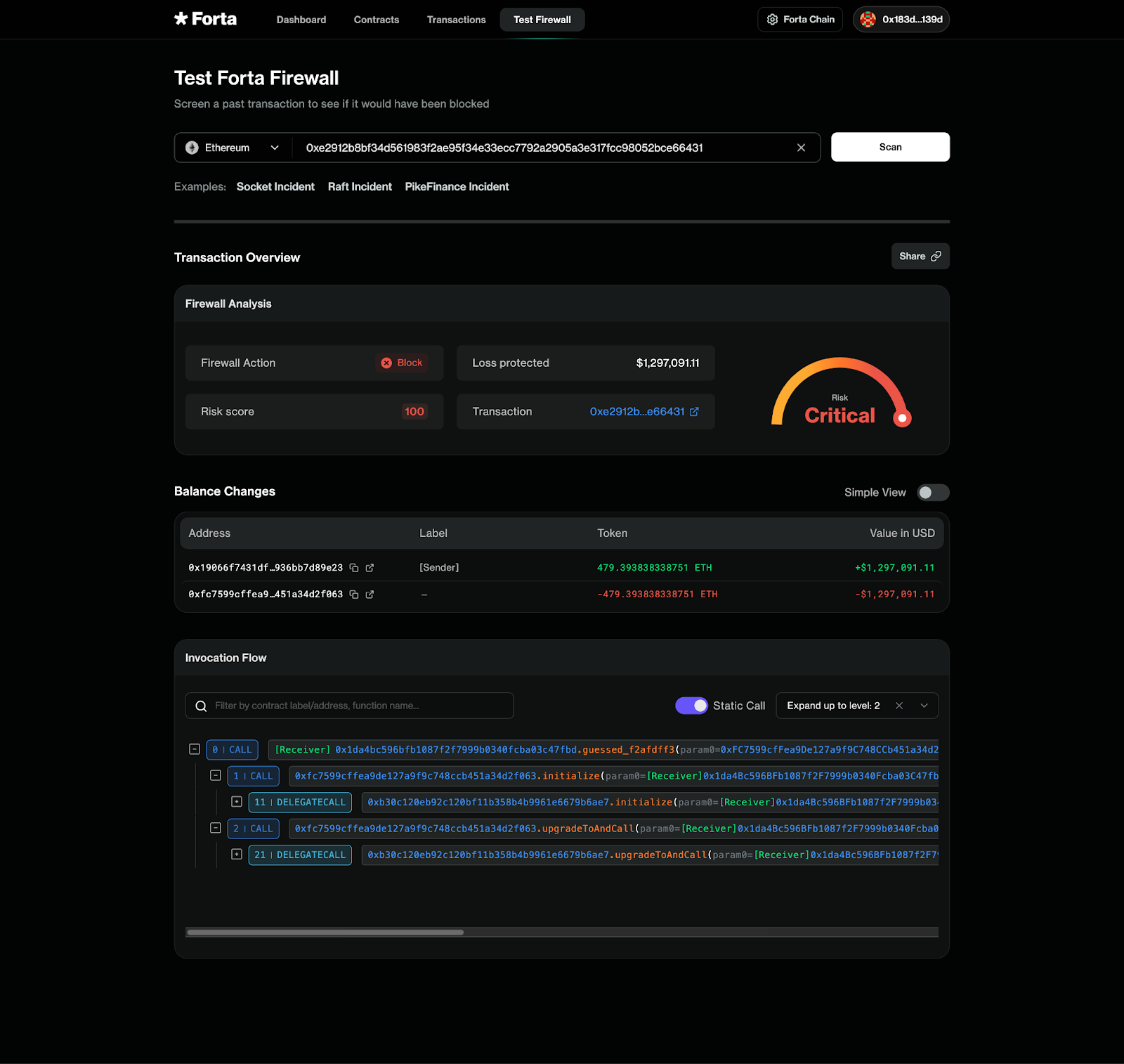
- Forta Network: As a decentralized security protocol, Forta uses a network of bots to continuously scan cross-chain bridges for exploits, replay attacks, and suspicious asset movements, delivering instant alerts to users and developers.
- OpenZeppelin Defender: Defender offers automated monitoring, alerting, and incident response for smart contracts, including those powering cross-chain bridges, with integrations for rapid remediation.

- Halborn Watchtower: Halborn Watchtower delivers 24/7 security monitoring for blockchain protocols, specializing in detecting centralization risks, oracle manipulations, and other bridge-specific vulnerabilities in real time.

If you’re serious about minimizing your exposure to blockchain bridge vulnerabilities in 2024, consider integrating these tools into your workflow. They won’t eliminate all risk, but they put power back into the hands of users instead of hackers.
What’s Next for Cross-Chain Messaging Protocols?
The future of blockchain interoperability depends on our ability to anticipate threats as quickly as new features roll out. As we look ahead, expect further advances in zero-knowledge proofs for privacy-preserving messaging, more granular access controls within smart contracts, and industry-wide standards for validator decentralization.
The risks are real, but so is the opportunity. By learning from past exploits and doubling down on proactive defense measures today, we can build an interoperable future where innovation thrives without sacrificing security.




No comments yet. Be the first to share your thoughts!