New inspection rules for 2026
Bridge safety in 2026 is no longer just about what engineers see during a visual walk-through. The baseline for inspection has shifted from manual observation to data-driven verification. This change is driven by updated federal mandates and evolving engineering standards that require more rigorous documentation of structural health.
The U.S. Army Corps of Engineers (USACE) has introduced significant changes to its bridge inspection protocols. These updates, outlined in the ECB 2026-2 guidance, align with the Engineering Regulation (ER) 1110-2-111 and 23 CFR Part 650. The new rules emphasize the use of advanced diagnostic tools and digital record-keeping to track deterioration over time, rather than relying solely on periodic visual assessments.
Simultaneously, the American Association of State Highway and Transportation Officials (AASHTO) continues to refine its standards for bridge design, construction, and maintenance. The Committee on Bridges and Structures plays a central role in maintaining these engineering benchmarks, ensuring that inspection methods keep pace with new materials and structural challenges.
These regulatory changes mean that bridge owners and inspectors must adapt their workflows. The focus is now on continuous monitoring and precise data analysis to predict failures before they occur. This proactive approach aims to extend the lifespan of critical infrastructure while ensuring public safety.
Smart monitoring systems in practice
Old bridges fail quietly. A hairline crack in a steel girder or a subtle shift in concrete expansion joints often goes unnoticed until visual inspections catch it, sometimes years after the damage began. Periodic checks are like taking a pulse once a year; they tell you if the patient is alive, but they miss the arrhythmia happening in between. Smart monitoring systems change that rhythm. By embedding IoT sensors directly into the structure, engineers can listen to the bridge’s health in real-time, catching symptoms before they become symptoms of failure.
The most common deployment involves a network of strain gauges, accelerometers, and fiber-optic sensors. Strain gauges measure the stress on materials as heavy trucks pass over, while accelerometers detect vibrations that might indicate structural looseness or resonance issues. These sensors feed data continuously to a central dashboard, where AI-driven analytics filter out noise—like wind or temperature changes—to flag genuine anomalies. Instead of waiting for a scheduled inspection, maintenance crews receive alerts when a specific beam experiences stress levels outside its normal operating range.
This shift from reactive to predictive maintenance is the core of modern bridge safety. It allows agencies to prioritize repairs based on actual wear rather than age alone. For example, a bridge in a high-traffic industrial zone might trigger an alert for localized corrosion, while a rural bridge remains stable despite similar age. The data doesn’t just predict failure; it optimizes the budget. Resources are directed to the structures that need them most, extending the lifespan of the network and ensuring that safety checks are thorough where it matters most.
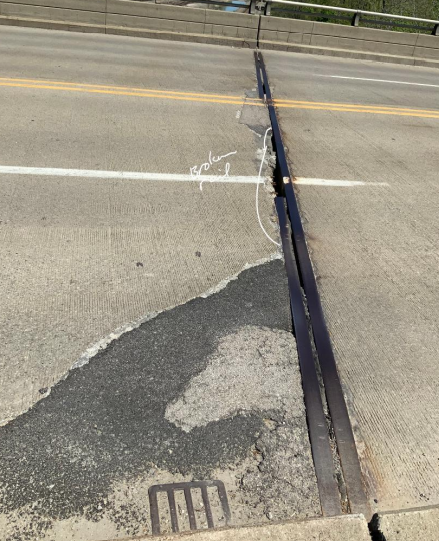
Engineers identify high-stress points like expansion joints and main support cables. Sensors are installed at these critical nodes to capture the most relevant data on structural load and movement.
The sensors transmit data via wireless networks to a central server. This continuous stream allows for immediate detection of unusual events, such as impact from a high-profile vehicle or seismic activity.
Algorithms compare live data against historical baselines. If a deviation occurs, the system flags it for review, distinguishing between temporary environmental factors and permanent structural changes.
Bridge safety inspection checklist for engineers
The 2026 bridge safety inspection rules require a shift from routine visual checks to targeted, data-driven evaluations. Engineers must now prioritize specific failure modes that have historically led to structural compromises. This checklist focuses on the critical elements that define compliance with the new safety standards.
1. Substructure and Foundation Integrity
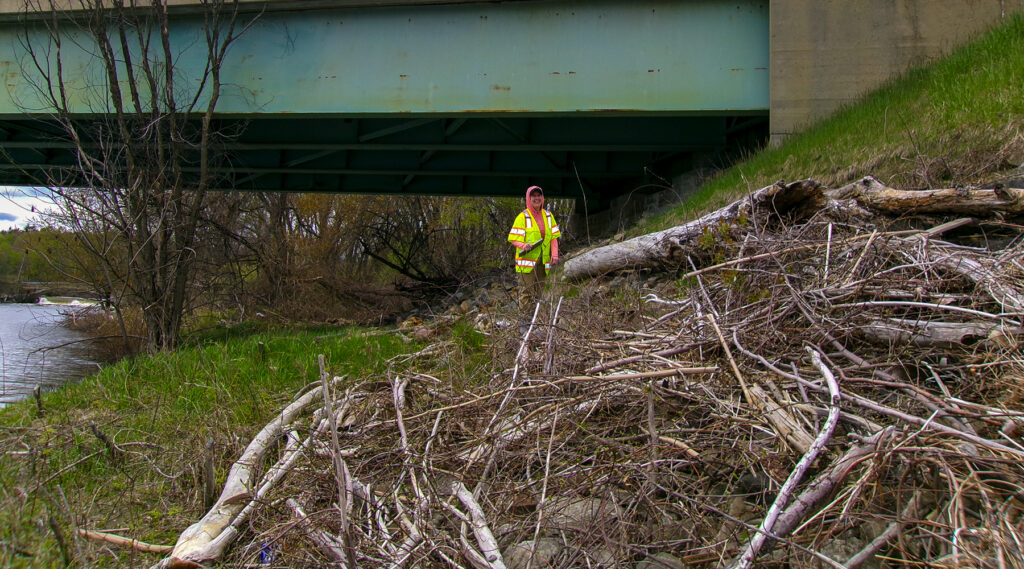
Begin with the foundation. Scour depth is the leading cause of bridge failure, so verify that protective measures are intact and that no new erosion patterns have emerged around piers and abutments. Check for vertical cracks in columns that might indicate settlement or excessive load. If the bridge is in a seismic zone, inspect isolation bearings for signs of degradation or displacement.
2. Superstructure and Deck Condition
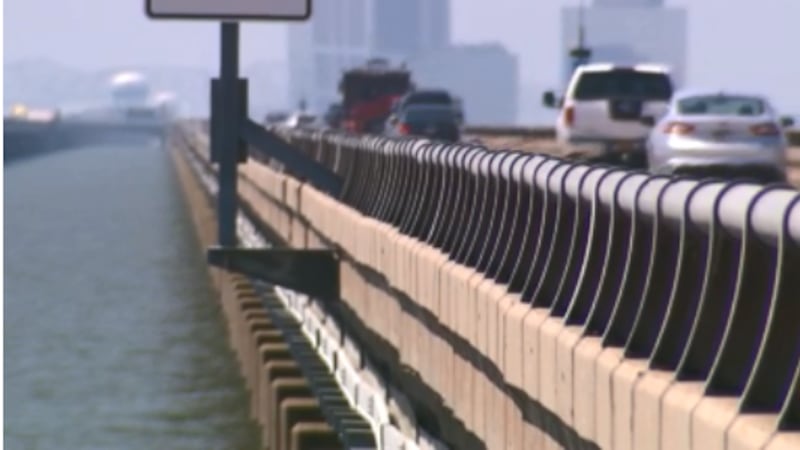
Move to the deck surface. Look for spalling concrete, rebar exposure, and map cracking, which allow water and de-icing salts to penetrate. Check expansion joints for blockages or failed seals, as these are common entry points for corrosive agents. For steel bridges, inspect for corrosion at high-stress points and verify that protective coatings remain intact.
3. Load Rating and Capacity Verification
The 2026 standards emphasize real-time load monitoring. Ensure that all sensors are calibrated and transmitting data to the central monitoring system. Cross-reference the physical inspection findings with the latest load rating calculations. If any discrepancies exist between the physical condition and the assumed capacity, flag the bridge for immediate re-evaluation.
4. Documentation and Reporting
Finally, document everything. The new compliance framework requires digital submission of inspection reports within 48 hours of fieldwork. Include high-resolution images of all defects, GPS coordinates, and a clear description of the recommended corrective actions. Incomplete or delayed reports will result in compliance violations.
Key conferences and training events
Bridge safety inspection rules are shifting faster than most teams can absorb. The new federal mandates require inspectors to move beyond visual checks and integrate digital tools, structural health monitoring, and risk-based prioritization. If your crew is still relying on paper forms and legacy software, you are already behind on compliance.
Professional development is no longer optional. The most effective way to stay current is to attend the major 2026 industry gatherings where these new protocols are being finalized and taught. These events offer direct access to the engineers and policymakers writing the rules.
IABMAS 2026: Orlando, FL
The Thirteenth International Conference on Bridge Maintenance, Safety and Management takes place July 6–10, 2026, at the Orange County Convention Center in Orlando. As the premier global forum for bridge maintenance, this year’s agenda focuses heavily on the integration of advanced inspection technologies and new safety standards. It is the primary venue for understanding the technical shift from reactive repair to proactive management.
SEI-NHI Bridge Safety Inspection Course: Chicago, IL
For practical, hands-on training, the Structural Engineers Association of Illinois is hosting the NHI Safety Inspection of In-Service Bridges for Professional Engineers course in downtown Chicago. This session is critical for inspectors who need to master the specific field techniques required by the new safety inspection rules. It covers the latest assessment methodologies and documentation standards in a classroom and field setting.
Frequently asked: what to check next
Quick checklist
-
Match the sizeMake sure the bridge safety 2026 option fits your household, storage space, and normal batch size.
-
Check the materialChoose a material that handles heat, washing, and regular use without becoming a chore.
-
Plan the cleanupAvoid anything that needs more maintenance than you are likely to give it.
-
Keep one fallbackHave a simple backup option for rushed days.
No comments yet. Be the first to share your thoughts!