2026 Bridge Monitoring Standards
The standard for bridge safety has shifted from periodic visual inspections to continuous structural health monitoring. In 2026, the Federal Highway Administration (FHWA) and the American Society of Civil Engineers (ASCE) recognize that traditional inspection cycles are insufficient for detecting rapid deterioration in aging infrastructure. This transition relies on embedded smart sensors that transmit real-time data regarding stress, strain, vibration, and corrosion.
These sensor networks replace the reactive repair model with predictive maintenance. By analyzing continuous data streams, engineers can identify structural anomalies before they become critical failures. ASCE Policy Statement 208 emphasizes that bridge safety programs must be fully funded and consistently operated to maintain public safety. This operational mandate drives the adoption of AI-driven analytics that process sensor data to predict maintenance needs with greater accuracy than manual assessments.
The integration of these technologies requires strict adherence to federal funding rules. Agencies must demonstrate that their monitoring systems provide actionable data to justify infrastructure expenditures. The upcoming IABMAS 2026 conference in Orlando will further standardize these protocols, ensuring that state and local departments of transportation align with national safety benchmarks.
Federal Funding for Bridge Upgrades
The Infrastructure Investment and Jobs Act (IIJA) provides the financial backbone for 2026 bridge safety initiatives. The Act allocates $27.5 billion specifically to the Bridge Formula Program, a substantial increase designed to address the structural deficits identified by the ASCE. This funding stream is critical for modernizing aging infrastructure and integrating new monitoring technologies.
FHWA guidelines direct these funds toward high-priority projects, emphasizing the adoption of AI-driven sensor networks. These sensors allow for real-time structural health monitoring, shifting maintenance from reactive repairs to predictive interventions. The Port Authority and other state agencies are utilizing this capital to upgrade load-bearing components and replace vulnerable spans.
By 2026, the disbursement of these federal dollars is expected to accelerate the deployment of smart infrastructure systems. This financial support enables agencies to meet stricter safety standards and reduce the backlog of structurally deficient bridges. The focus remains on leveraging technology to extend the lifespan of critical transportation assets.
Key Safety Inspections in 2026
Federal bridge safety inspections in 2026 emphasize rigorous interagency coordination and standardized visual assessments across critical infrastructure. The FHWA and state departments of transportation enforce strict annual inspection cycles for major crossings, ensuring compliance with the National Bridge Inspection Standards (NBIS). These protocols integrate traditional structural evaluations with emerging sensor data to identify anomalies before they compromise safety.
The Port Authority of New York and New Jersey conducted a targeted emergency training exercise at the George Washington Bridge in early 2026. This interagency drill simulated catastrophic structural failure scenarios, testing the response capabilities of federal, state, and local emergency services. The exercise validated communication channels and resource deployment strategies required for high-traffic suspension bridges, reinforcing the operational readiness mandated by federal safety guidelines.
In Maryland, the State Highway Administration completed its annual safety declarations for major crossings, including the Chesapeake Bay Bridge and the Key Bridge in Baltimore. FHWA inspectors conducted comprehensive visual examinations of substructures and superstructures, focusing on corrosion, fatigue cracking, and bearing conditions. These inspections confirm that the bridges meet current load-bearing standards and provide the data necessary for long-term maintenance planning.
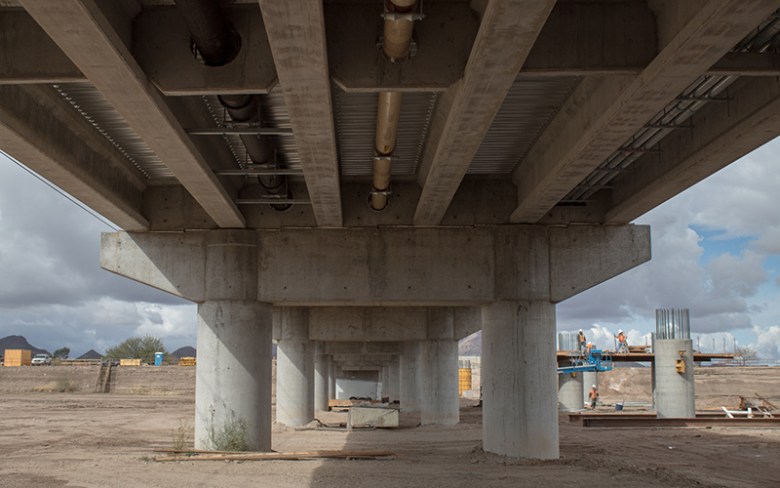
Inspectors perform detailed visual examinations of all accessible components, including deck surfaces, girders, and trusses. This primary step identifies visible distress such as spalling concrete, rust staining, and fatigue cracks that may indicate underlying material degradation.

Engineers assess piers, abutments, and foundations for scour erosion, settlement, or impact damage. This evaluation is critical for bridges spanning waterways or unstable soil, ensuring the foundation can support the superstructure under varying environmental loads.
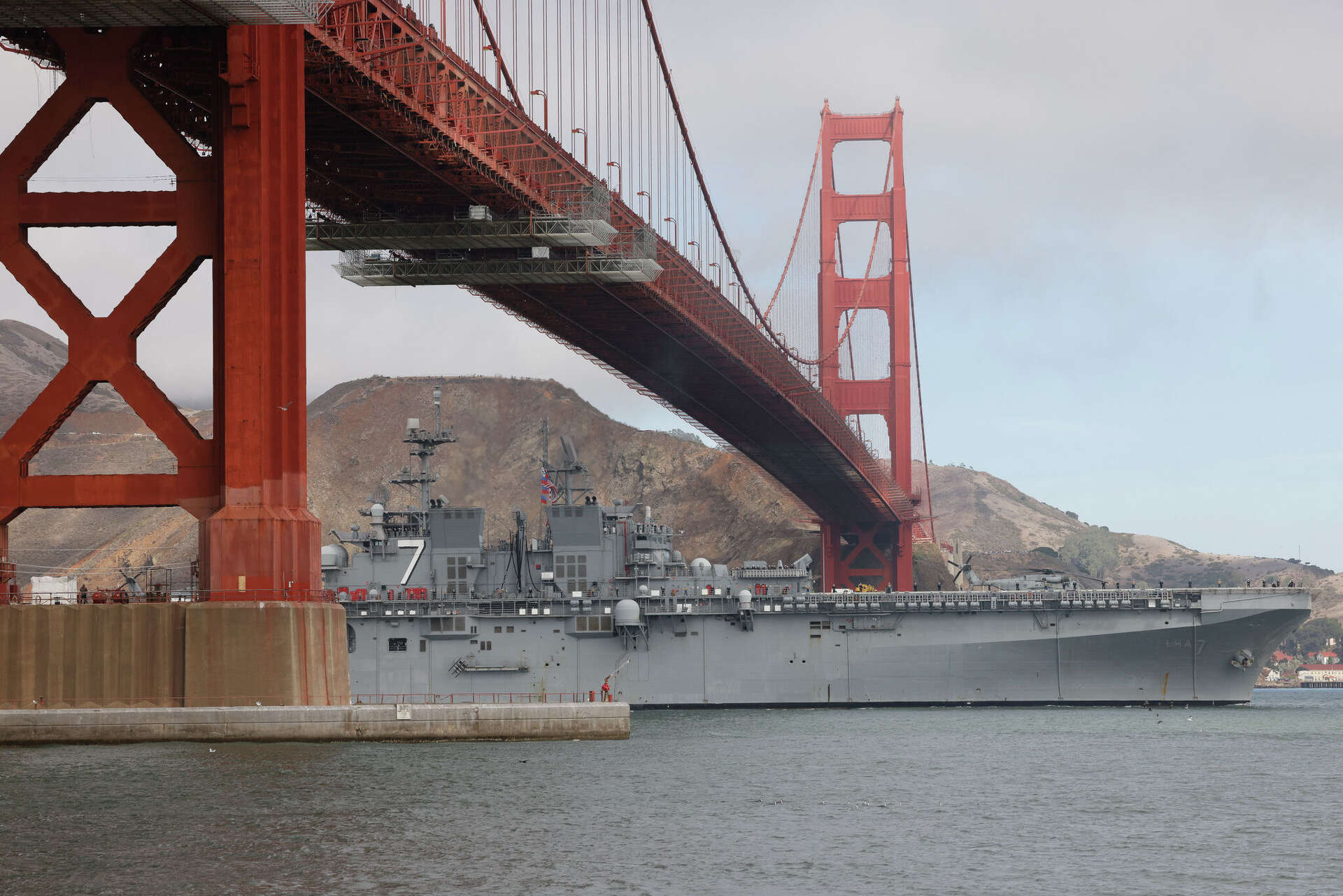
Technicians review continuous monitoring data from installed accelerometers and strain gauges. This step correlates real-time sensor readings with visual findings to detect subtle structural shifts or vibrations that are not immediately apparent to the naked eye.
Calculations are performed to verify that the bridge meets current vehicular load requirements, including heavy freight and emergency vehicle access. This step ensures compliance with federal weight limits and safety margins established by the FHWA.
The 2026 federal bridge safety inspection checklist includes the following critical elements:
- Deck surface integrity and drainage systems
- Steel member corrosion and fracture checks
- Concrete spalling and rebar exposure
- Bearing and expansion joint functionality
- Substructure scour and foundation stability
- Sensor calibration and data integrity
ASCE Policy and Bridge Safety Standards
The American Society of Civil Engineers (ASCE) maintains that a bridge safety program for both public and private bridges must be fully funded and consistently operated to properly maintain all others. This stance, outlined in Policy Statement 208, emphasizes the critical need for sustained investment in infrastructure integrity. The society argues that sporadic funding or inconsistent operational standards compromise the long-term safety of the nation's bridge network.
Federal agencies, including the FHWA, work in conjunction with state and local entities to enforce these safety protocols. The regulatory framework relies on regular inspections and adherence to federal guidelines to identify structural deficiencies early. In 2026, the focus remains on integrating advanced monitoring technologies, such as AI-driven sensors, into these established inspection routines to enhance data accuracy and response times.
The Port Authority and other regional bodies play a significant role in implementing these federal standards at the local level. Consistent operation ensures that maintenance crews can address issues before they escalate into critical failures. This coordinated approach between federal policy and local execution is essential for maintaining the reliability of critical transportation infrastructure.
No comments yet. Be the first to share your thoughts!