

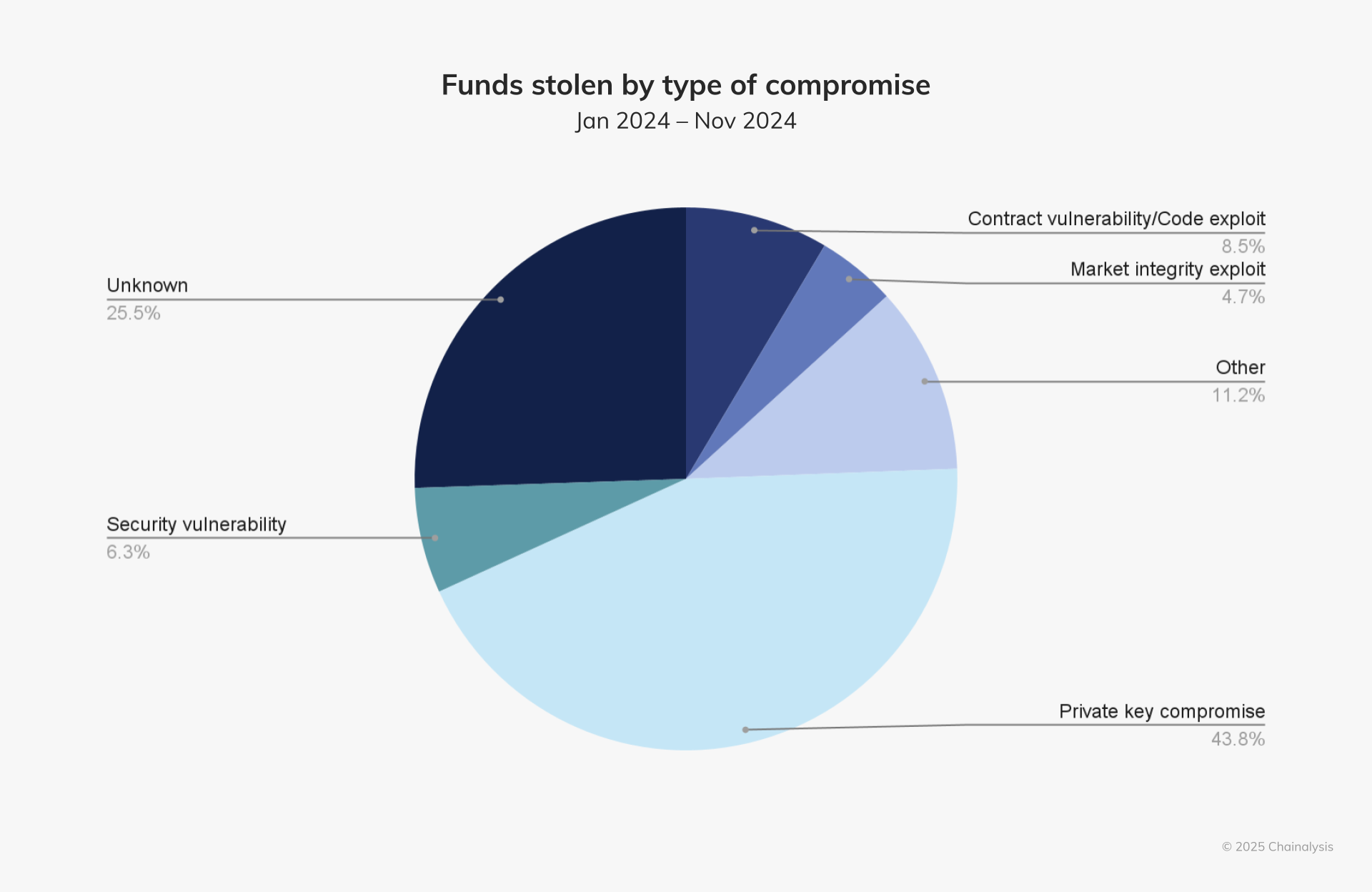
As cross-chain bridges mature into the backbone of blockchain interoperability, their security posture becomes a matter of existential importance. The failure to secure private keys has repeatedly resulted in catastrophic losses, shaking market confidence and prompting urgent calls for better practices. Understanding the nuances of private key compromise is not just a technical necessity but a prerequisite for anyone building or relying on cross-chain infrastructure.
Why Private Key Compromise Is the Achilles’ Heel of Cross-Chain Bridges
At its core, a cross-chain bridge acts as an escrow and relay between disparate blockchains, holding custody over substantial digital assets. The authority to move these assets hinges on cryptographic private keys. If these keys are exposed or stolen, attackers can unilaterally authorize transfers, drain liquidity pools, or even alter critical protocol parameters.
This risk is magnified in bridges that rely on centralized key management or insufficiently distributed multi-signature schemes. As noted in the Chainlink analysis, decentralization is vital for reducing single points of failure, yet many bridges still fall short in this regard, placing immense trust in a handful of validators or operators.
The Anatomy of Recent Bridge Hacks: A Pattern Emerges
The past three years have seen a string of high-profile attacks exploiting private key vulnerabilities:
Major Cross-Chain Bridge Private Key Compromise Incidents
- Ronin Bridge (March 2022): Attackers compromised five out of nine validator private keys, resulting in unauthorized withdrawals totaling $600 million. This incident remains one of the largest DeFi exploits to date.

- Harmony Bridge (June 2022): Two out of five private keys were compromised, enabling hackers to drain approximately $100 million from the bridge's reserves.
- Multichain Bridge (July 2023): Private keys under the CEO's control were compromised, leading to unauthorized withdrawals and the loss of user funds. The incident highlighted risks of centralized key management.

- Orbit Chain (January 2024): Attackers gained access to seven out of ten multisig private keys, allowing them to drain funds from the protocol in a coordinated exploit.

- ALEX Bridge (May 2024): A contract upgrade executed by the deployer account led to $4.3 million in suspicious withdrawals, attributed to a possible private key compromise.

These incidents underscore several recurring themes:
- Centralized Key Custody: When too few parties control signing authority, as with Ronin and Harmony, the compromise of just a subset can be devastating.
- Poor Operational Security: Human error, phishing attacks, and insecure storage methods frequently open the door to attackers.
- Lack of Timely Detection: In several cases, attackers were able to siphon funds over hours or days before teams responded, amplifying losses and reputational fallout.
The lesson is clear: without robust controls around private key management, even technically sound bridges remain vulnerable at their weakest link.
Mitigating Private Key Risk: Best Practices for Bridge Operators
A multi-layered defense strategy is essential for any serious cross-chain bridge operator. Here are foundational best practices drawn from industry audits and post-mortem analyses:
- Adopt Multi-Signature Wallets: Require multiple independent parties to co-sign every transaction. This makes unilateral theft far more difficult.
- Implement Threshold Signature Schemes (TSS): TSS splits signing authority among several nodes; no single node ever holds a complete key. More details can be found in this comprehensive guide.
- Leverage Hardware Security Modules (HSMs): Dedicated hardware devices can isolate key storage from internet-connected environments, reducing exposure to remote attacks (source).
- Pursue Regular Key Rotation: Rotating keys periodically limits the window during which any one key can be abused if compromised.
- Decentralize Governance: Spread operational control across diverse entities to eliminate single points of failure, a principle echoed by recent research on bridge vulnerabilities (reference).
The most resilient bridges combine these measures with rigorous auditing and real-time monitoring, ensuring that even if one layer fails, others remain intact to protect user funds.
Continuous vigilance is just as important as initial setup. Security audits should not be one-off events, but rather a recurring, systematic process. Engaging independent auditors and leveraging open-source security tools can uncover latent vulnerabilities before they are exploited. For example, the LBank Academy report emphasizes that regular audits and penetration testing are crucial for identifying flaws in both smart contract logic and key management procedures.
Another emerging best practice is the use of confidential computing, which protects private keys during active computation rather than just at rest. This technology can thwart attacks that target memory dumps or side-channel leakage, further hardening bridge infrastructure against sophisticated adversaries. As the landscape evolves, operators must stay abreast of advances in both attack methodologies and defensive technologies.
The Human Factor: Training, Access Controls, and Incident Response
No matter how advanced the cryptography or hardware protections are, human error remains a persistent risk vector. Social engineering attacks such as phishing continue to compromise operator credentials or trick validators into exposing sensitive information. To counteract this, bridge teams should implement:
- Strict Role-Based Access Controls (RBAC): Limit key access to only those who absolutely need it for their role.
- Mandatory Security Training: Equip all team members with the skills to recognize phishing attempts and social engineering tactics.
- Incident Response Playbooks: Prepare detailed action plans for rapid response if a key compromise is detected, immediate rotation, transaction freezes, and transparent communication with users.
The ability to detect anomalous activity quickly can dramatically reduce losses. Real-time monitoring systems that flag unusual withdrawal patterns or unauthorized admin actions are becoming standard among leading bridges.
Due Diligence for Users: Protecting Yourself in the Cross-Chain Ecosystem
Bridge users also play a role in overall ecosystem security. Before entrusting assets to any cross-chain protocol, users should:
This includes reviewing audit reports, understanding governance structures, and verifying whether multi-signature or threshold schemes are in place. The due diligence process is non-negotiable given the scale of past losses, users must demand transparency from protocol teams regarding their operational security posture.
Looking Forward: Building Resilient Cross-Chain Bridges
The future of blockchain interoperability depends on eliminating single points of failure, especially around private keys. As recent incidents have shown, even small lapses can lead to outsized consequences across the entire DeFi landscape. By adopting layered defenses, combining robust technical controls with strong organizational policies, bridge operators can restore confidence and unlock new growth opportunities for decentralized finance.
Fundamentals never go out of style, the same holds true for security discipline in cross-chain architecture.




No comments yet. Be the first to share your thoughts!