AI bridge inspection 2026
By 2026, AI bridge inspection moves from experimental pilots to standard practice. Agencies now use computer vision to scan concrete for cracks and spalls, turning hours of manual observation into minutes of automated data. This shift doesn't replace the inspector; it removes the tedious counting and measuring, letting engineers focus on structural judgment.
The core value lies in consistency. Human fatigue leads to missed details during long shifts. AI models, trained on thousands of defect images, apply the same standard to every inch of a bridge. They flag anomalies that might slip past a tired eye, creating a reliable baseline for maintenance planning. Generative AI further streamlines this by standardizing inspection reports, transforming raw data into structured formats that engineers can immediately act upon.
However, technology has limits. AI identifies visible defects but cannot assess the underlying structural integrity without engineering context. A crack might look minor visually but signal deeper corrosion. The most effective inspections combine AI's speed with an inspector's expertise, using digital tools to support, not supplant, professional judgment.
The tradeoffs of ai bridge inspection 2026
Adopting AI and digital twins for bridge inspection is not a simple software upgrade; it is a shift in operational liability. While the technology offers speed, it introduces new dependencies on data quality, sensor accuracy, and cybersecurity. Agencies must weigh these concrete factors before committing to a full-scale rollout.
The following comparison breaks down the primary tradeoffs between traditional manual inspections and modern AI-driven digital twin approaches. Understanding these differences helps engineering leaders decide which method fits their specific budget, timeline, and risk tolerance.
| Factor | Traditional Manual | AI & Digital Twin |
|---|---|---|
| Data Consistency | Subjective; depends on inspector experience and fatigue. | High; algorithms apply uniform standards across all structures. |
| Initial Cost | Low; requires standard tools and personnel hours. | High; requires sensors, computing infrastructure, and training. |
| Detection Speed | Slow; physical access is required for every span. | Fast; automated scanning processes data in near real-time. |
| Long-Term Tracking | Fragmented; historical data is often paper-based or siloed. | Continuous; digital twins update automatically with new sensor data. |
| Liability & Accuracy | Clear; human error is the primary liability. | Complex; depends on algorithm training and sensor calibration. |
Cost vs. Long-Term Value
The most immediate tradeoff is financial. Traditional inspections have low upfront costs but high recurring labor expenses. AI systems require significant capital expenditure for hardware and software integration. However, the long-term value of AI lies in predictive maintenance. By identifying defects early through consistent data analysis, agencies can defer major repairs, reducing lifecycle costs despite the higher initial investment.
Accuracy vs. Context
AI excels at detecting visible defects like cracks and spalls with high precision. It can process thousands of images faster than any human team. However, AI lacks the contextual judgment of an experienced engineer. It may flag benign weathering as a defect or miss subtle structural issues that require tactile or auditory inspection. The best approach combines automated scanning with human verification for ambiguous cases.
Data Accessibility vs. Security
Digital twins centralize inspection data, making it accessible to multiple stakeholders. This transparency improves collaboration and decision-making. However, it also creates a larger attack surface for cyber threats. Agencies must invest in robust cybersecurity measures to protect sensitive infrastructure data. The tradeoff is between operational efficiency and the risk of data breaches.
Decision Framework
When evaluating AI bridge inspection 2026 solutions, prioritize vendors who offer transparent algorithms and clear data ownership policies. Ensure the system integrates with your existing asset management software. Start with a pilot program on a subset of bridges to test accuracy and workflow integration before scaling across your entire portfolio.
How to choose the right bridge inspection technology
Selecting the right inspection tool isn't just about picking the most advanced gadget. It's about matching the technology to the specific structural risks and available budget. AI and digital twins are powerful, but they require a clear starting point to be effective.
Start by defining the scope. Are you looking for a rapid visual survey of hundreds of bridges, or a deep-dive analysis of a single critical structure? The answer dictates whether you need drone-based photogrammetry, ground-based LiDAR, or a full digital twin simulation.
1. Assess the current data baseline
Before buying new hardware, audit what you already have. Most agencies have decades of inspection reports, but these are often unstructured text or paper records. AI models struggle with inconsistent data. Start by digitizing and standardizing historical records to create a clean dataset. This baseline is essential for training any predictive model later.
2. Define the primary defect targets
Not all bridges fail the same way. Concrete bridges suffer from spalling and rebar corrosion; steel bridges from fatigue cracks and bolt failures. Choose inspection sensors that target these specific weaknesses. For example, ultrasonic testing is ideal for detecting internal steel flaws, while high-resolution cameras excel at identifying surface concrete cracks.
3. Calculate the total cost of ownership
The sticker price of a drone or sensor is just the beginning. Factor in the cost of data processing, software licenses, and specialized training for your team. AI tools often require significant computational power or cloud storage. Use a calculator to estimate the long-term savings from early defect detection versus the cost of emergency repairs.
4. Pilot with a single structure
Don't roll out a new system across your entire network at once. Pick one representative bridge and run a parallel inspection using both traditional methods and the new technology. Compare the results. This pilot phase helps you identify workflow bottlenecks and data quality issues before scaling up.
5. Integrate with existing asset management systems
Inspection data is useless if it sits in a silo. Ensure your new tools can export data in formats compatible with your current Asset Management System (AMS). Seamless integration allows you to track defect progression over time and prioritize maintenance schedules based on real-time data rather than fixed intervals.
6. Train your team on interpretation
AI can identify a crack, but it can't always judge its severity or cause. Your engineers need to understand how to interpret the data the tools provide. Invest in training that focuses on data validation and decision-making. This ensures that technology supports human judgment rather than replacing it.
7. Plan for continuous data updates
Bridges change. Weather, traffic, and age all affect structural integrity. Choose a system that allows for regular, easy data updates. A digital twin is only as good as its current state. Establish a routine for feeding new inspection data back into the model to keep predictions accurate.
The Bridge Inspection Cost Calculator
Estimate your potential savings by comparing traditional inspection cycles with AI-driven predictive maintenance. Adjust the inputs to reflect your bridge portfolio size and current repair costs.
Spotting misleading claims and weak options
The bridge inspection market is crowded with vendors promising that AI will replace human inspectors. This narrative is misleading. AI tools are excellent at identifying concrete cracks and cataloging spalls from 3D point clouds, but they cannot replace the engineering judgment required to interpret structural integrity [src-serp-1].
When evaluating digital twin platforms, look for these common mistakes:
- Vague defect identification: Some solutions claim to "detect all defects" using generic computer vision. In reality, these systems often struggle with complex geometries like prestressed concrete or steel trusses. Ask for specific false-positive rates on your bridge type.
- Ignoring data standardization: Many tools produce beautiful 3D models but fail to standardize inspection data. Without generative AI and natural language processing to structure this data, you cannot effectively compare inspections over time or across your portfolio [src-serp-2].
- Over-reliance on automation: AI will not replace bridge engineers by 2030. It will compress tasks like drafting boilerplate reports or checking calculations. The hardest part of inspection remains interpreting ambiguous data in harsh environments, which requires human oversight.
Before committing to a platform, verify that it supports open data standards. Closed ecosystems create vendor lock-in, making it difficult to switch providers or integrate new sensor data later. Prioritize tools that enhance your existing workflow rather than those that demand a complete overhaul of your inspection protocols.
Ai bridge inspection 2026: what to check next
These answers address common concerns about adopting AI in bridge inspection, from job security to the practical realities of cost and complexity.
Will bridge engineers be replaced by AI?
No. AI is unlikely to replace engineers as a profession by 2030. Instead, it will replace and compress specific engineering tasks such as drafting boilerplate code, generating design alternatives, running simulations, summarizing specs, checking calculations, and reviewing routine documentation. The human role shifts from data gathering to high-level judgment and decision-making.
How much does a bridge inspector make a year?
The average Bridge Inspector in the US makes $81,822. Bridge Inspectors make the most in San Jose, CA at $161,548 averaging total compensation 97% greater than the US average. These figures reflect traditional field roles, which remain essential despite AI advancements.
What is the hardest part of bridge inspection?
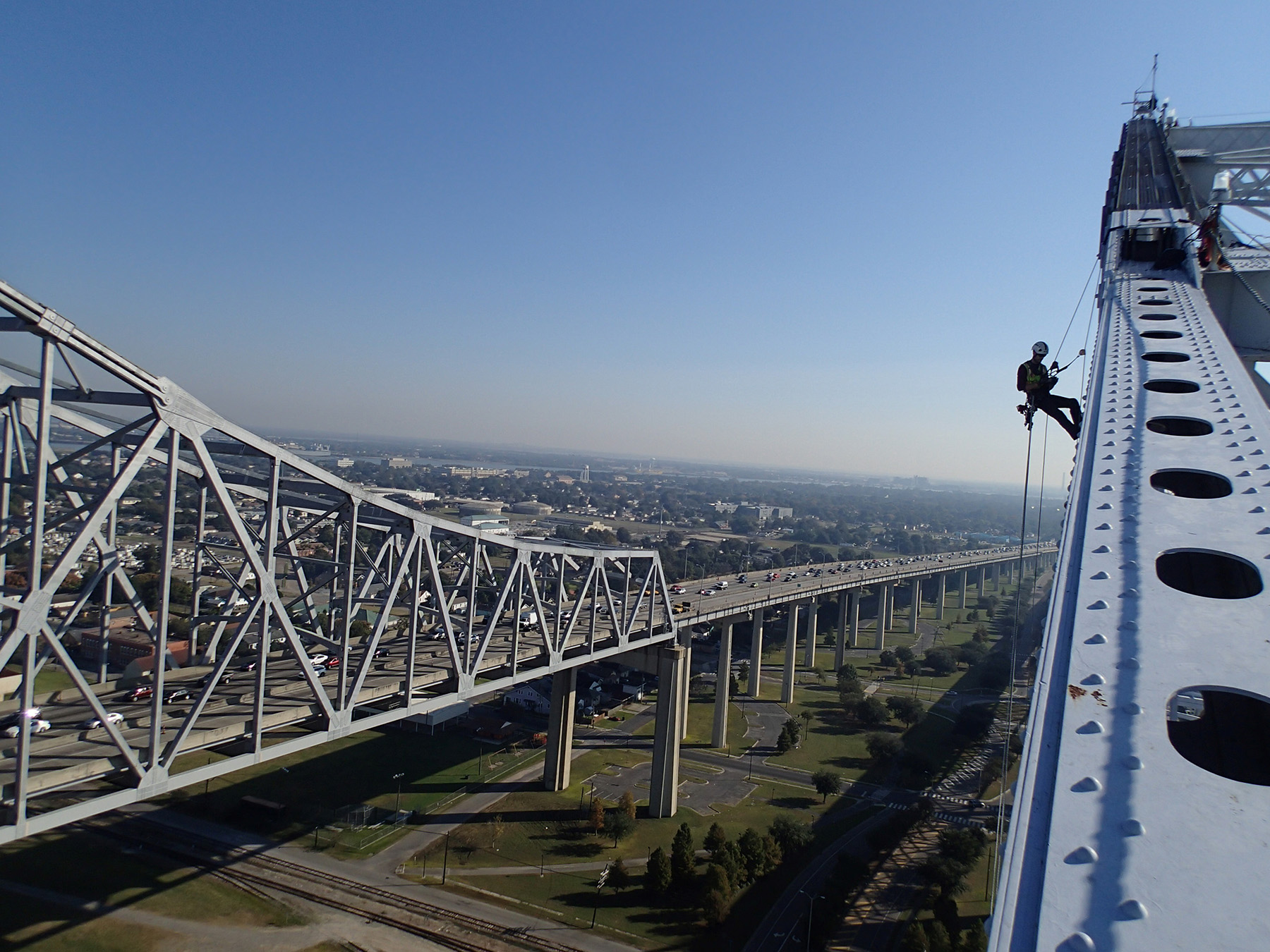
The hardest part is often accessing hard-to-reach areas safely, such as the underside of spans or deep within pier columns. AI and digital twins help by providing detailed 3D models and predictive analytics, but they cannot physically replace the need for human inspectors to verify critical structural elements in complex environments.
How much does a bridge inspection cost?
Costs vary widely depending on the bridge's size, location, and the inspection method used. Traditional manual inspections can range from $5,000 to $50,000 or more for large structures. AI-assisted inspections can reduce time and labor costs, but initial setup for digital twins and AI training involves significant upfront investment. Long-term savings come from early detection of issues, preventing costly repairs.
No comments yet. Be the first to share your thoughts!