

Why analog inspections miss cracks
Traditional bridge inspections rely on periodic visual checks by trained personnel. This analog approach creates blind spots. Inspectors walk or drive across a bridge, looking for obvious distress like large spalling or rust. They note visible cracks, but they cannot see the micro-strain accumulation happening inside the concrete or steel between visits.
A crack that appears minor during a six-month inspection might be the symptom of significant load stress. By the time it is visible to the naked eye, the structural integrity may already be compromised. Analog methods are reactive. They respond to damage that has already occurred rather than predicting it.
Continuous structural health monitoring (SHM) shifts this paradigm. Sensors installed on the bridge provide real-time data on its condition. This digital approach allows engineers to detect issues early, before they pose safety risks or require costly repairs. The shift from analog to fully digital systems is not just a technological upgrade; it is a necessary evolution for bridge safety in 2026.
Core sensors for real-time data
Modern bridge monitoring relies on a layered sensor network. The goal is to capture structural behavior before visible damage appears. Systems have shifted from manual inspections to fully digital, continuous feedback loops. This shift allows engineers to detect anomalies in real time.
Accelerometers
Accelerometers measure vibration frequencies and amplitudes. They act as the primary diagnostic tool for dynamic loads like traffic and wind. When a bridge’s natural frequency shifts, it often indicates stiffness loss or cracking. These sensors are typically embedded in the deck or truss to capture micro-movements.
Strain Gauges
Strain gauges track deformation under load. They provide direct evidence of stress concentrations in critical joints. Unlike accelerometers, they offer static data on how the structure holds weight. High-capacity bridges require dense arrays of strain gauges to map load paths accurately. This data helps predict fatigue life in steel components.
Corrosion Probes
Corrosion probes monitor material degradation in harsh environments. They are essential for bridges in coastal or de-icing salt zones. These sensors measure electrical resistance changes in steel rebars or cables. Early detection of rust allows for targeted maintenance before structural integrity is compromised.
AI models predict structural fatigue
Bridge Structural Health Monitoring works best as a clear sequence: define the constraint, compare the realistic options, test the tradeoff, and choose the path with the fewest hidden costs. That order keeps the advice usable instead of decorative. After each step, pause long enough to check whether the recommendation still fits the reader's actual situation. If it depends on perfect timing, unusual access, or a best-case budget, include a simpler fallback.
The simplest way to use this section is to write down the real constraint first, compare each option against it, and choose the path that still works outside ideal conditions.
Digital twins simulate bridge stress
Use this section to make the Bridge Structural Health Monitoring decision easier to compare in real life, not just on paper. Start with the reader's actual constraint, then separate must-have requirements from details that are merely nice to have. A practical choice should survive normal use, maintenance, timing, and budget. If a recommendation only works in an ideal situation, call that out plainly and give the reader a fallback path.
The simplest way to use this section is to write down the must-have criteria first, then compare each option against those criteria before weighing nice-to-have features.
Implementation checklist for engineers
Start with the sensors. In 2026, analog gauges are obsolete; deploy digital fiber-optic strain sensors and MEMS accelerometers for real-time data. Ensure every sensor has a clear power and connectivity path.
Next, verify the data pipeline. Raw sensor data is useless if it gets stuck. Configure edge gateways to filter noise locally before sending clean, structured packets to your central database. Latency should be under 500ms for critical alerts.
Then, set the baseline. Run a 30-day quiet-period test to establish normal vibration and strain profiles. Any deviation beyond these bounds triggers an alert. Do not skip this calibration step.
Finally, document the audit. Keep a digital twin of the bridge with all sensor locations mapped. Update this map whenever you replace a sensor or add a new monitoring point.
Inspect the bridge for power sources and network coverage. Identify locations where analog gauges are still in use and mark them for replacement with digital alternatives.
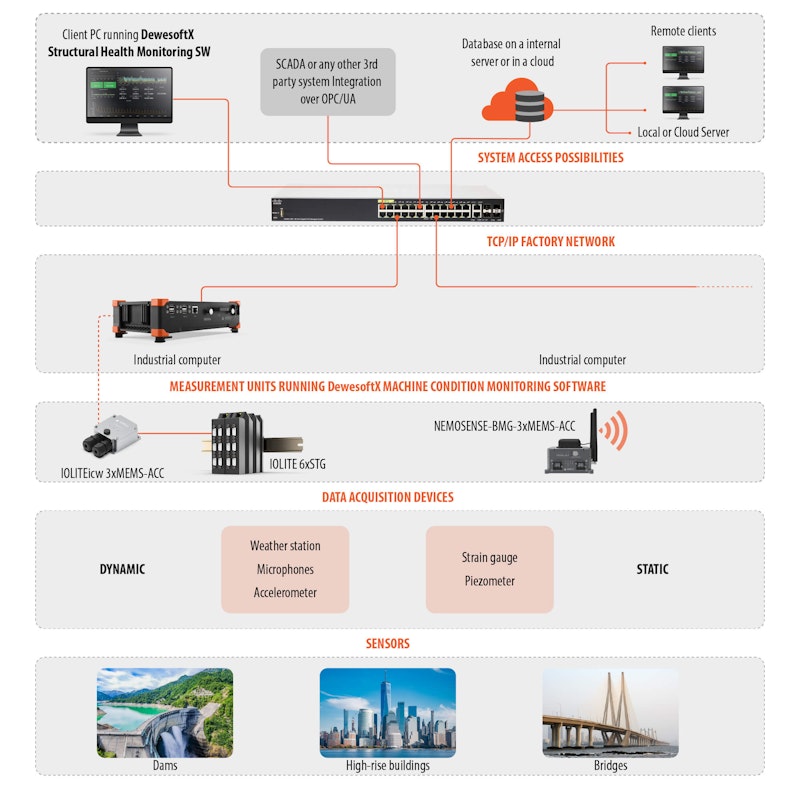
Install fiber-optic strain sensors and MEMS accelerometers at high-stress points. Ensure each device is calibrated and connected to a local edge gateway.
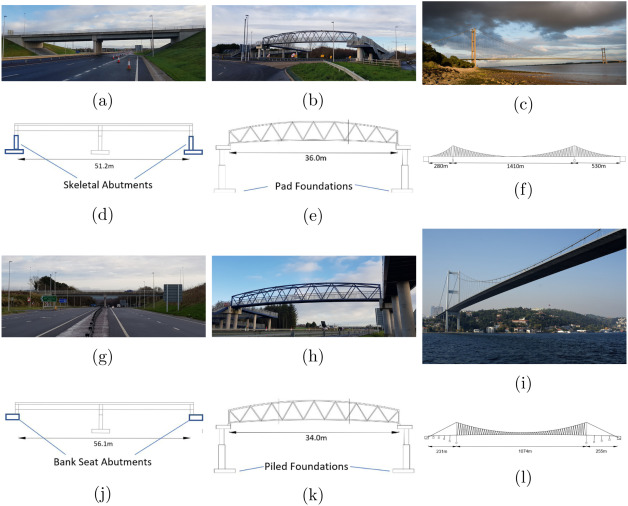
Set up edge computing nodes to filter noise and compress data. Configure the system to send only relevant alerts and summarized data to the central cloud platform.
Run the system for 30 days to capture normal operational data. Use this period to fine-tune alert thresholds and ensure no false positives are generated.
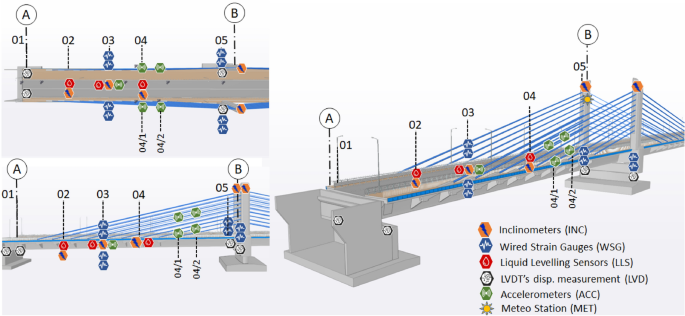
Map all sensor locations to the bridge’s digital twin. Create a protocol for updating this map whenever hardware is added, removed, or replaced.
Common questions about bridge monitoring
Engineers often hesitate to adopt structural health monitoring (SHM) due to concerns about data reliability, upfront costs, and legacy integration. The industry is shifting from manual inspections to fully digital systems, but the transition requires specific technical adjustments. Below are direct answers to the most frequent technical queries regarding SHM implementation.
Quick checklist
-
Match the sizeMake sure the bridge structural health monitoring 2026 option fits your household, storage space, and normal batch size.
-
Check the materialChoose a material that handles heat, washing, and regular use without becoming a chore.
-
Plan the cleanupAvoid anything that needs more maintenance than you are likely to give it.
-
Keep one fallbackHave a simple backup option for rushed days.
No comments yet. Be the first to share your thoughts!