
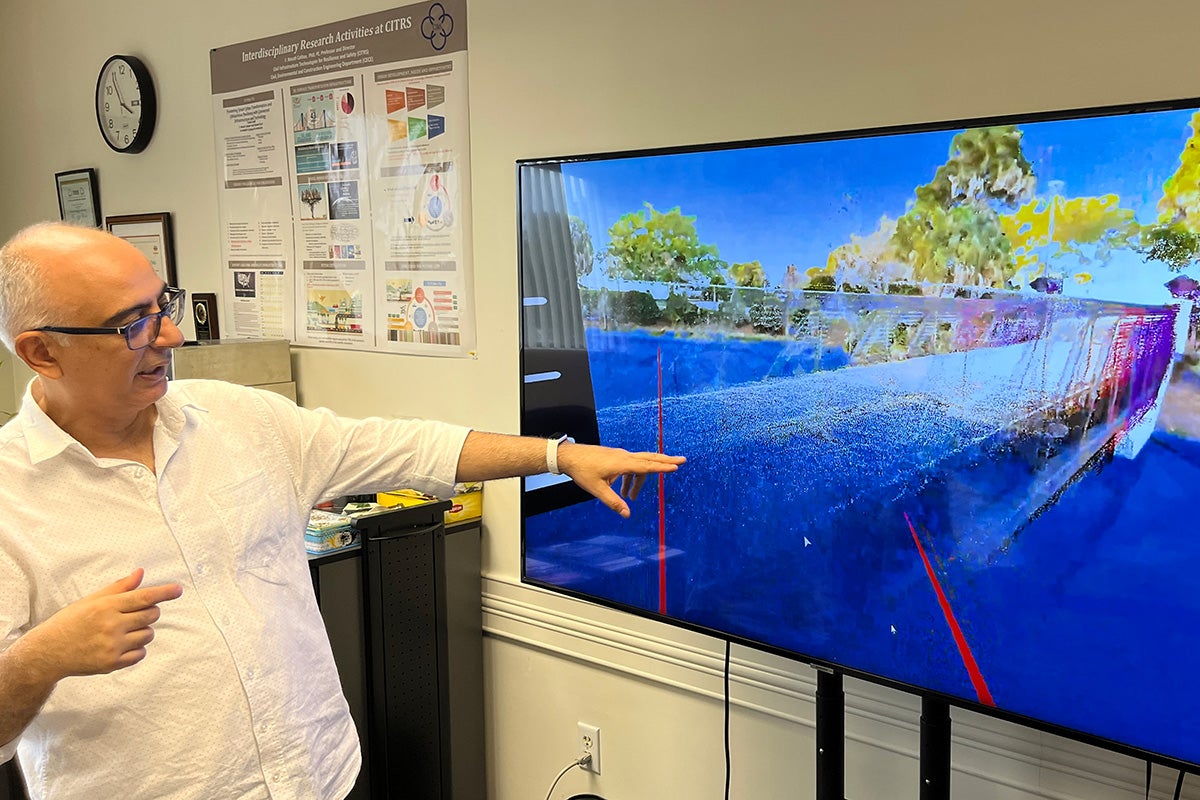
Bridge monitoring technology 2026
The market for structural health monitoring is shifting from reactive repairs to predictive prevention. In 2026, the global bridge monitoring system market is projected to reach US$1.4 billion, growing at a 12.1% CAGR as agencies adopt real-time sensor networks. This transition relies on digital infrastructure that detects stress, vibration, and corrosion before they become visible to the naked eye.
Modern systems integrate IoT sensors with AI-driven analytics to process data continuously. Engineers can now track load distribution across bridges in real time, identifying weak points that traditional inspections miss. This capability is critical for aging infrastructure, where delays in detection can lead to catastrophic failures.
The technology landscape is defined by fully digital solutions that eliminate analog signal loss. For example, Kistler showcased its digital structural health monitoring solution at Intertraffic 2026, highlighting the move toward immediate data transmission. These systems allow for remote diagnostics, reducing the need for frequent physical inspections and minimizing traffic disruptions.
Adopting these technologies requires careful planning. Agencies must balance the cost of sensor deployment with the long-term savings of prevented collapses. The focus is on creating a resilient network that not only monitors current conditions but also predicts future structural integrity based on historical data and environmental factors.
Bridge Monitoring Technology Tradeoffs in 2026
Choosing the right structural health monitoring (SHM) setup requires balancing upfront costs, data fidelity, and long-term maintenance. As the market expands—projected to grow from $1.4 billion in 2026 to $3.1 billion by 2033—agencies must evaluate which sensors deliver actionable insights without creating data silos [src-serp-2].
The core decision rests on three factors: sensor type, connectivity, and integration with AI analytics. Below is a comparison of the most common approaches.
| Sensor Type | Relative Cost | Data Granularity | Maintenance Level |
|---|---|---|---|
| Fiber Optic (DTS/DAS) | High | Continuous strain/temp | Low |
| Piezoelectric (Kistler) | Medium | Real-time vibration | Medium |
| Accelerometers | Low | Periodic snapshots | High |
| Corrosion Probes | Low | Localized degradation | Medium |
Fiber-optic systems offer continuous strain and temperature monitoring along the entire bridge span, providing high data granularity with minimal maintenance [src-serp-3]. However, their high initial cost and specialized installation requirements make them suitable primarily for major infrastructure. Piezoelectric sensors, like those showcased by Kistler at Intertraffic 2026, provide real-time vibration data with moderate cost and maintenance, offering a strong balance for mid-sized structures [src-serp-1].
Accelerometers remain the most accessible option due to low cost but require frequent calibration and offer only periodic snapshots, which can miss transient events. Corrosion probes are cheap and easy to install but provide only localized data, making them insufficient as a standalone monitoring solution.
For agencies evaluating these technologies, the key is aligning sensor choice with the bridge’s risk profile. High-traffic bridges benefit from continuous fiber-optic or piezoelectric monitoring, while lower-risk structures may only need periodic accelerometer checks. Always verify that the selected sensors integrate with your existing AI analytics platform to avoid data fragmentation.
How to Choose the Right Bridge Safety Tech
Selecting a bridge safety monitoring system requires balancing immediate structural risks against long-term data utility. The market is shifting from passive inspection logs to active, real-time intelligence. With the global bridge monitoring system market projected to grow from $1.4 billion in 2026 to $3.1 billion by 2033, the technology landscape is expanding rapidly. The goal is not just to collect data, but to interpret it before a collapse occurs.
Start by defining the critical failure modes for your specific infrastructure. Is the bridge aging, exposed to heavy freight traffic, or located in a seismic zone? Your answer dictates the sensor suite. For high-traffic urban bridges, load cells and strain gauges are essential to monitor stress during peak hours. For older structures, accelerometers and tilt sensors provide early warnings of foundation shifts or material fatigue. Avoid over-instrumenting; focus on the components most likely to fail first.
Next, evaluate the data pipeline. Raw sensor data is useless without a clear path to actionable alerts. Look for systems that offer edge computing capabilities, filtering noise locally before sending only critical events to the cloud. This reduces bandwidth costs and latency. Ensure the platform integrates with existing asset management software. If your team cannot view alerts in their current workflow, the technology will be ignored during a crisis.
Finally, verify the system’s resilience and maintenance requirements. Sensors in harsh environments require robust sealing and power management. Solar-powered wireless nodes are ideal for remote bridges, while hardwired systems offer more stability for complex urban interchanges. Request a pilot deployment on a non-critical span to test accuracy and false-positive rates. This trial period reveals integration headaches and sensor drift before you commit to a full-scale rollout.
Watch Out for Overstated Claims and Weak Sensor Options
The bridge monitoring market is expanding rapidly, with global revenue projected to grow from US$1.4 billion in 2026 to US$3.1 billion by 2033 Persistence Market Research. This growth reflects a shift toward real-time digital structural health monitoring, as seen in recent industry showcases like Kistler’s Intertraffic 2026 debut Kistler. However, this surge in technology adoption has also attracted vendors making misleading promises about AI capabilities and sensor durability.
When evaluating these systems, look for concrete proof of accuracy rather than vague marketing terms. Many vendors claim "AI-driven" insights, but without specific error rates or validation against physical strain gauges, these claims are often hollow. Similarly, be wary of sensors advertised as maintenance-free; in harsh bridge environments, calibration drift is a real risk that requires regular verification.
A common mistake is prioritizing data volume over data quality. A system that floods engineers with thousands of unverified alerts is less useful than one that provides fewer, highly accurate warnings. Always ask for case studies where the system successfully identified a specific, non-obvious structural issue. If a vendor cannot provide evidence of past performance, their technology may be more experimental than reliable.
Check for Provider-Backed Market Data
To ensure you are basing your decisions on current market realities, rely on provider-backed widgets for asset and market data. This approach avoids stale static prices and ensures your analysis reflects the latest financial trends in the infrastructure technology sector.
Bridge monitoring technology 2026: what to check next
Bridge monitoring technology has shifted from passive inspections to active, real-time structural health monitoring (SHM). In 2026, agencies rely on dense sensor networks and AI-driven analytics to detect anomalies before they become critical failures. Here are the most common practical questions about deploying these systems.
No comments yet. Be the first to share your thoughts!