Plan the route
Use this section to make the The Bridge Collapse Crisis decision easier to compare in real life, not just on paper. Start with the reader's actual constraint, then separate must-have requirements from details that are merely nice to have. A practical choice should survive normal use, maintenance, timing, and budget. If a recommendation only works in an ideal situation, call that out plainly and give the reader a fallback path.
-
Verify the basicsConfirm the core specs, condition, and fit before comparing extras.
-
Price the downsideLook for the repair, maintenance, or replacement cost that would change the decision.
-
Compare alternativesCheck at least two comparable options before treating one listing as the benchmark.
Stops worth prioritizing
When planning a route through the Northeast Corridor, bridge safety is no longer just a background concern; it is a central part of the itinerary. The 2026 infrastructure landscape requires travelers to separate must-see structural landmarks from optional detours, especially when monitoring active safety zones like the George Washington Bridge. Understanding which crossings are critical to the experience and which are currently subject to emergency training or maintenance helps you build a realistic schedule.
The George Washington Bridge remains a vital artery between New York and New Jersey, but it is also a frequent subject of interagency exercises. As noted in recent Port Authority advisories, temporary lane closures for safety drills are common. If your goal is to photograph the iconic Art Deco towers or cross the Hudson during peak hours, you must account for these disruptions. The bridge is a "must-see" for its engineering history, but not always a "must-cross" at specific times of day.
Other major crossings, such as the Verrazzano-Narrows Bridge or the Throgs Neck Bridge, offer different trade-offs. They are less likely to be the focus of high-profile emergency exercises but may face routine maintenance closures. For travelers focused on the "Bridge Collapse Crisis" narrative, observing these structures in their current state—monitored by new AI and IoT sensor networks—provides a unique educational experience. The visual of a bridge under active digital surveillance is a powerful reminder of the shift from reactive to predictive maintenance.
Comparison of Key Crossings
| Crossing | Priority Level | Current Status | Best Viewing Spot |
|---|---|---|---|
| George Washington Bridge | High | Periodic emergency drills | Palisades Interstate Park |
| Verrazzano-Narrows Bridge | Medium | Routine maintenance | Fort Wadsworth |
| Throgs Neck Bridge | Low | Standard operations | City Island Park |
| Brooklyn Bridge | High | Pedestrian-only access | Brooklyn Bridge Park |
Optional Detours and Local Context
For those interested in the technical side of bridge safety, the IABMAS 2026 conference in Orlando offers a deep dive into the latest sensor technologies, but it is not a typical tourist stop. Similarly, the AASHTO Committee on Bridges and Structures sets the standards that keep these roads open, but its work is largely invisible to the casual driver. If you are in the New York area, consider a drive along the Hudson River Greenway. It offers safe, ground-level views of multiple bridges without the risk of getting caught in a traffic closure.
Always check the Port Authority of New York and New Jersey website for real-time travel advisories before your trip. These updates are more reliable than general news reports, which may lag behind sudden lane changes. By prioritizing these verified sources, you ensure your journey is both safe and informative.
Timing and logistics
Planning a trip around the nation’s aging infrastructure requires checking for more than just road closures. In 2026, major crossings like the George Washington Bridge are subject to scheduled interagency emergency training exercises, which can temporarily restrict access during peak hours. These events are not routine maintenance but coordinated drills designed to test response protocols, meaning traffic patterns may shift unexpectedly even when the structure itself is open.
To navigate these constraints effectively, treat your route planning like a dynamic system rather than a static map. Check with local Port Authorities or state DOTs at least 48 hours before crossing major bridges, especially if you are traveling during weekdays. For instance, the Port Authority of New York and New Jersey often posts travel advisories for exercises that last only a few hours but impact thousands of commuters.
Parking and transit options near bridge approaches are often limited during these windows. If you are driving, consider using public transit where available, as many bridges have dedicated rail or bus lanes that remain operational during vehicle restrictions. For those arriving by car, reserve parking spots in advance if you are visiting nearby attractions, as overflow from detoured traffic can fill up local lots quickly.
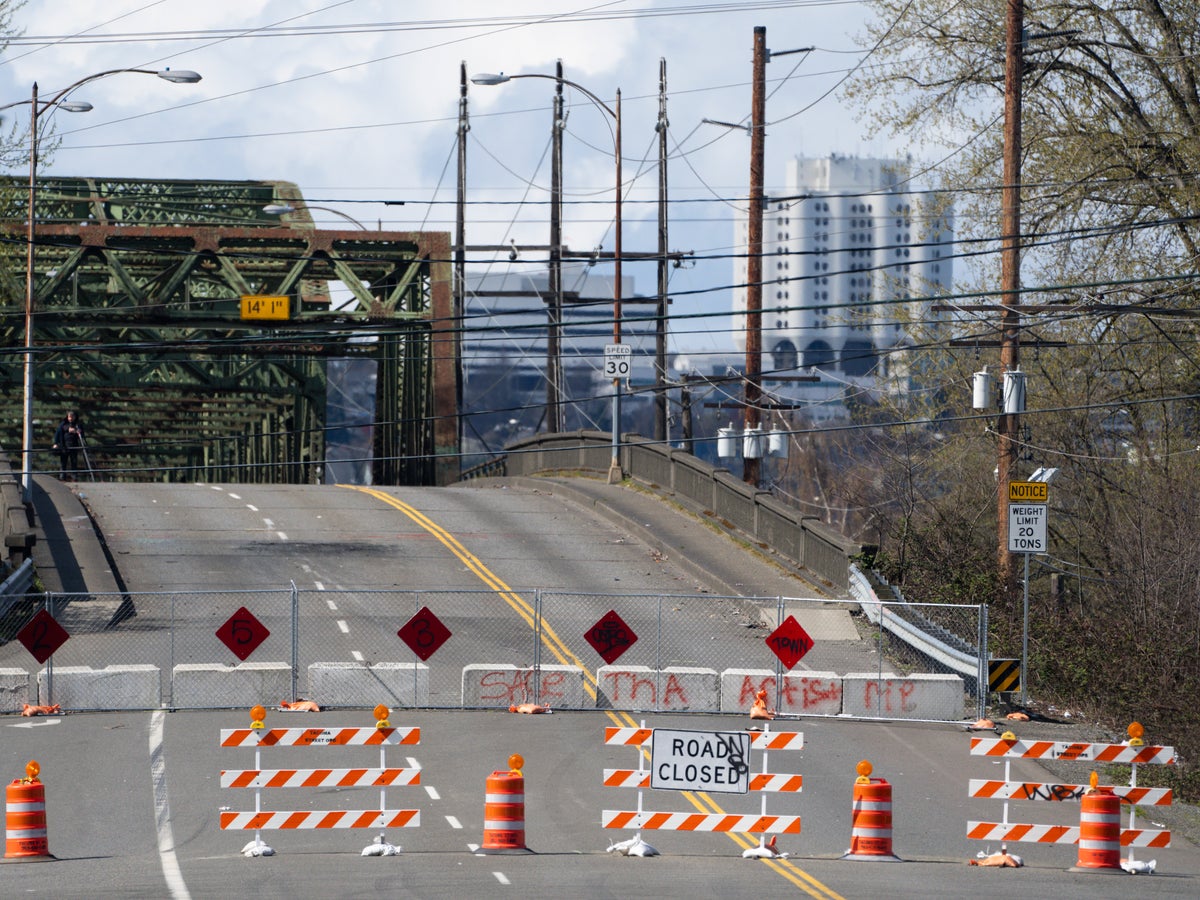
The hardest part of bridge inspection is often the logistical challenge of doing it without disrupting traffic. This means that when you see "bridge inspection" signs, it is usually a sign of routine, non-emergency work that may cause minor delays. However, for major structural assessments, authorities may implement full or partial closures. Always verify the status of your specific crossing before departure, as conditions can change based on weather or unexpected findings during the inspection.
Bridge safety 2026: what to check next
Understanding how infrastructure is monitored and maintained helps clarify why certain protocols exist. Here are answers to the most common questions about bridge safety, inspections, and standards.
No comments yet. Be the first to share your thoughts!