Review the May 2026 load capacity changes
Bridge Safety Regulations works best as a clear sequence: define the constraint, compare the realistic options, test the tradeoff, and choose the path with the fewest hidden costs. That order keeps the advice usable instead of decorative. After each step, pause long enough to check whether the recommendation still fits the reader's actual situation. If it depends on perfect timing, unusual access, or a best-case budget, include a simpler fallback.
The simplest way to use this section is to write down the real constraint first, compare each option against it, and choose the path that still works outside ideal conditions.
Audit inspection frequency and scope
Bridge safety regulations demand that owners verify their current inspection schedules against the National Bridge Inspection Standards (NBIS). The federal baseline requires a minimum inspection interval of 24 months. However, relying solely on this minimum is insufficient for 2026 compliance, as many jurisdictions have updated their mandates.
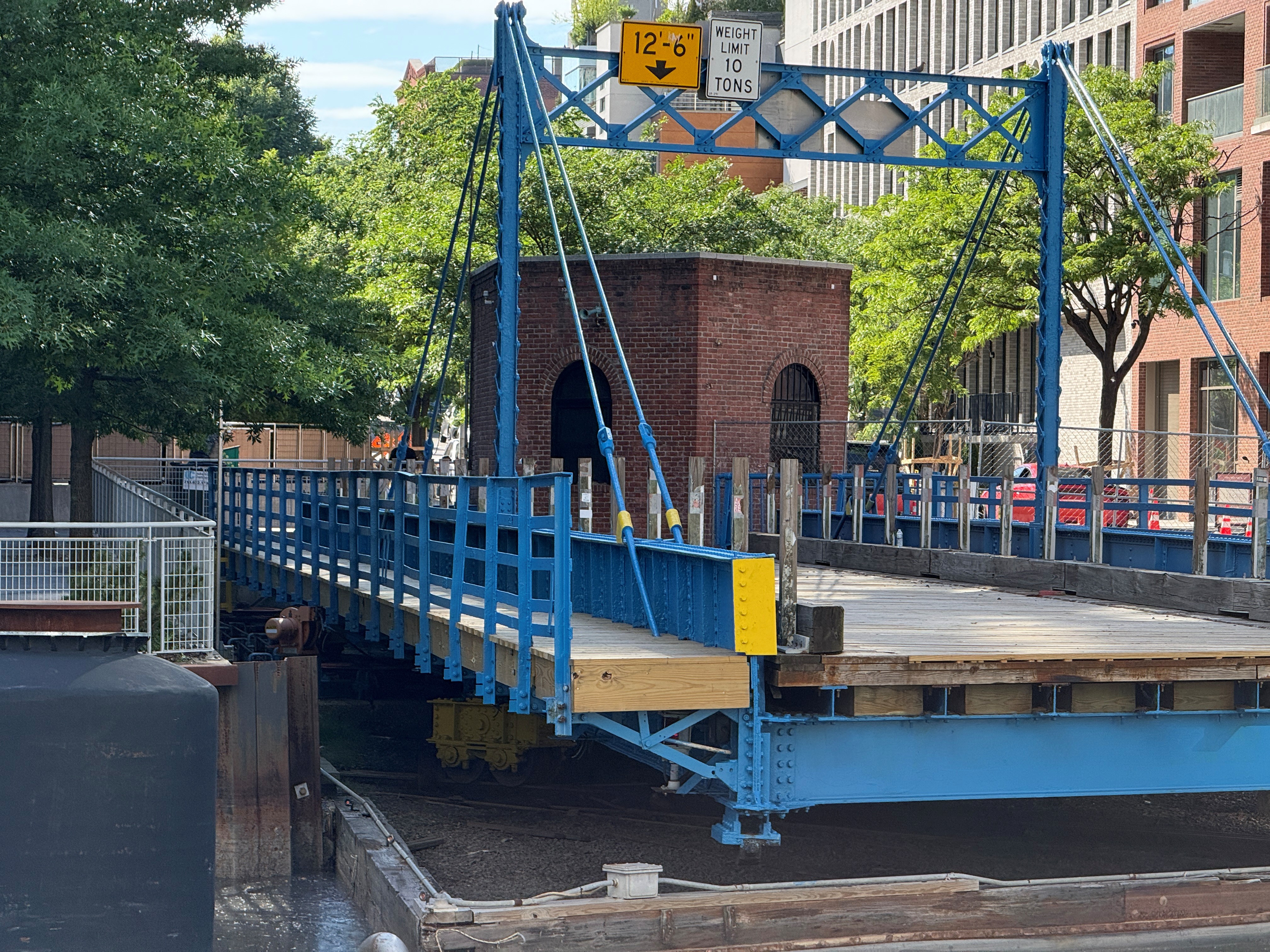
Review your existing inspection logs to confirm the last inspection date. The NBIS mandates that every highway bridge be inspected at least once every 24 months. If your last inspection was performed more than two years ago, you are already in violation of federal standards. Cross-reference your dates with the FHWA’s National Bridge Inventory requirements to ensure no gaps exist in your reporting.
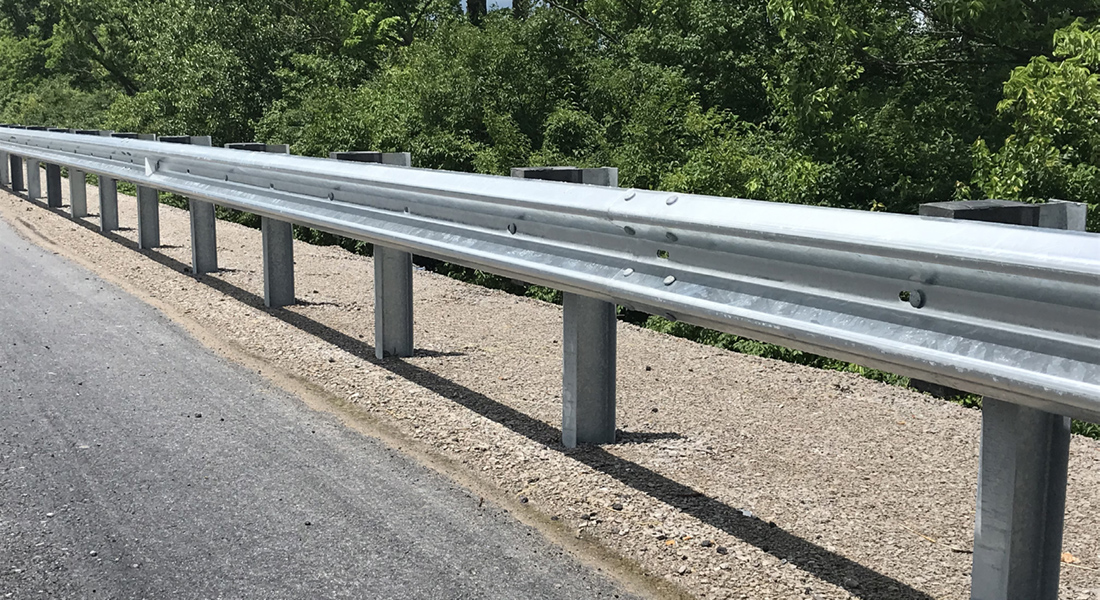
Federal standards set the floor, not the ceiling. Many state departments of transportation (DOTs) enforce stricter intervals, such as annual inspections for older or structurally deficient bridges. Consult your state’s specific bridge inspection manual. Ignoring these local mandates can result in significant penalties and federal funding restrictions.
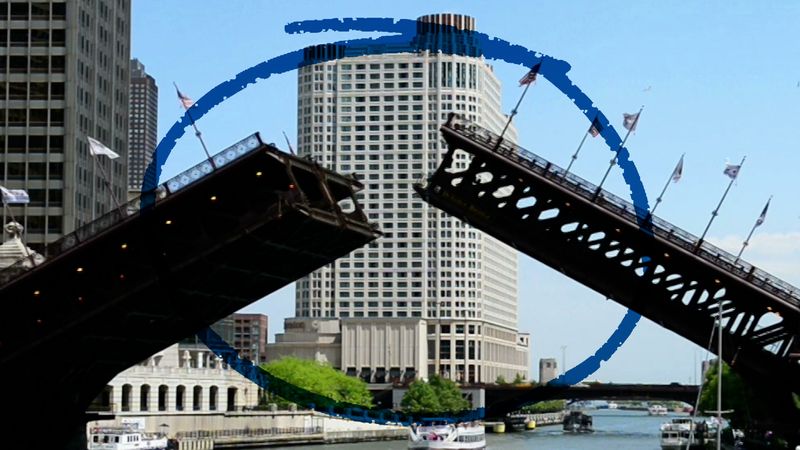
Ensure that the personnel conducting your inspections hold valid certifications under the NBIS inspector qualification program. The Federal Highway Administration requires inspectors to meet specific experience and training criteria. Verify that your current inspection team’s credentials are up to date and that they are familiar with the latest 2026 regulatory updates.
Once you have audited your current status, book your next inspection immediately. The scope should include a comprehensive review of all primary members, including substructure, superstructure, and appurtenances. For bridges with known vulnerabilities, such as those near waterways or high-traffic corridors, consider adding specialized inspections for scour or structural integrity.
Compliance is not a one-time event. Regular audits of your inspection frequency and scope ensure that your bridge safety regulations remain robust. By following these steps, you can maintain compliance and prioritize the safety of your infrastructure.
Update structural assessment protocols
Bridge Safety Regulations works best as a sequence, not a scramble through settings. Do the minimum first: confirm compatibility, connect the core hardware, update only when needed, and test the result before adding optional features. That order keeps the task understandable and makes failures easier to isolate. After each step, pause long enough for the interface to finish syncing. Many setup problems are timing problems disguised as configuration problems. If the same step fails twice, record the exact error, restart the smallest affected piece, and retry before moving deeper.
| Factor | What to check | Why it matters |
|---|---|---|
| Fit | Match the option to the primary use case. | A good deal still fails if it does not fit the job. |
| Condition | Verify age, wear, and service history. | Hidden condition issues erase upfront savings. |
| Cost | Compare purchase price with likely upkeep. | The cheapest option is not always the lowest-cost option. |
Address vessel collision risk assessments
Bridge Safety Regulations works best as a clear sequence: define the constraint, compare the realistic options, test the tradeoff, and choose the path with the fewest hidden costs. That order keeps the advice usable instead of decorative. After each step, pause long enough to check whether the recommendation still fits the reader's actual situation. If it depends on perfect timing, unusual access, or a best-case budget, include a simpler fallback.
The simplest way to use this section is to write down the real constraint first, compare each option against it, and choose the path that still works outside ideal conditions.
No comments yet. Be the first to share your thoughts!