
2026 Bridge Safety Regulations: What New Structural Monitoring Tech Means for Infrastructure
The bridge safety landscape is shifting from reactive repairs to proactive monitoring. Under the Infrastructure Investment and Jobs Act (IIJA), $5.5 billion has been appropriated for the Bridge Formula Program through 2026, prioritizing structural health monitoring (SHM) and digital twins to predict failures before they occur. This funding shift marks a move toward data-driven maintenance, where sensors and AI replace manual inspections as the primary safety mechanism.
New regulations now require higher standards for real-time data collection on critical infrastructure. Bridges are equipped with strain gauges, accelerometers, and corrosion sensors that transmit live data to central databases. This allows engineers to detect anomalies—such as unusual vibration patterns or material fatigue—long before visible cracks appear. The goal is to extend the lifespan of aging structures while reducing the risk of catastrophic failure.
For the public, this means safer crossings but also potential disruptions during sensor installation. While the technology improves safety, it also demands rigorous cybersecurity protocols to protect infrastructure data. As the industry adapts to these 2026 standards, the focus remains on extending the life of existing bridges rather than building new ones, ensuring that critical routes remain open and secure.
2026 bridge safety choices that change the plan
The 2026 infrastructure landscape forces a direct comparison between immediate structural integrity and long-term asset value. With the Infrastructure Investment and Jobs Act (IIJA) appropriating $5.5 billion for the Bridge Formula Program through 2026, agencies face a critical decision: deploy expensive real-time monitoring on high-risk assets or continue traditional manual inspections for the majority of the inventory [src-1]. This choice defines where federal dollars flow and which bridges receive priority maintenance.
The core tradeoff lies in data density versus inspection frequency. Traditional methods rely on visual checks every two years, leaving long gaps where deterioration goes unnoticed. New structural monitoring technology offers continuous data, but it requires significant upfront capital and ongoing bandwidth to interpret. For the 6.8% of bridges currently in "poor" condition, this technology is not a luxury but a necessity for public safety [src-3]. For the 44.1% in "good" condition, the return on investment depends on whether the cost of early detection outweighs the cost of deferred maintenance.
| Feature | Traditional Manual Inspection | Real-Time Structural Monitoring |
|---|---|---|
| Frequency | Biennial (every 2 years) | Continuous (24/7) |
| Data Type | Visual condition codes | Strain, vibration, displacement |
| Upfront Cost | Low | High |
| Detection Speed | Reactive (after visible damage) | Proactive (during early stress) |
| Best For | Low-risk, low-traffic bridges | High-risk, high-traffic critical assets |
Agencies must also weigh the reliability of new sensors against the proven track record of human inspectors. While sensors can detect subtle changes in load-bearing capacity, they require calibration and can be affected by environmental noise. Human inspectors provide contextual judgment that algorithms often miss, such as corrosion patterns or foundation shifts visible only from specific angles. The most effective strategy often combines both: using manual inspections to validate sensor data and calibrate monitoring systems [src-4].
To help you evaluate the financial impact of these choices, use the calculator below to estimate the long-term cost difference between reactive repairs and proactive monitoring for a hypothetical bridge asset.
How to choose the right monitoring approach
Deciding which structural health monitoring (SHM) technology fits a specific bridge requires matching the asset’s condition and risk profile to the right sensor suite. The 2026 regulatory landscape, fueled by the Infrastructure Investment and Jobs Act’s $5.5 billion Bridge Formula Program, prioritizes data-driven maintenance over reactive repairs. For bridge owners, this means moving beyond periodic visual inspections to continuous, automated data streams that predict failure before it happens.
The decision framework below outlines the four critical steps to selecting a monitoring strategy that satisfies new safety regulations while staying within budget.
Start by categorizing the bridge based on its structural type, age, and traffic load. High-risk assets—such as long-span bridges, those with known fatigue cracks, or critical evacuation routes—require continuous monitoring. Low-risk, short-span bridges may only need annual visual inspections supplemented by occasional automated checks. This classification determines the intensity of the technology stack required.
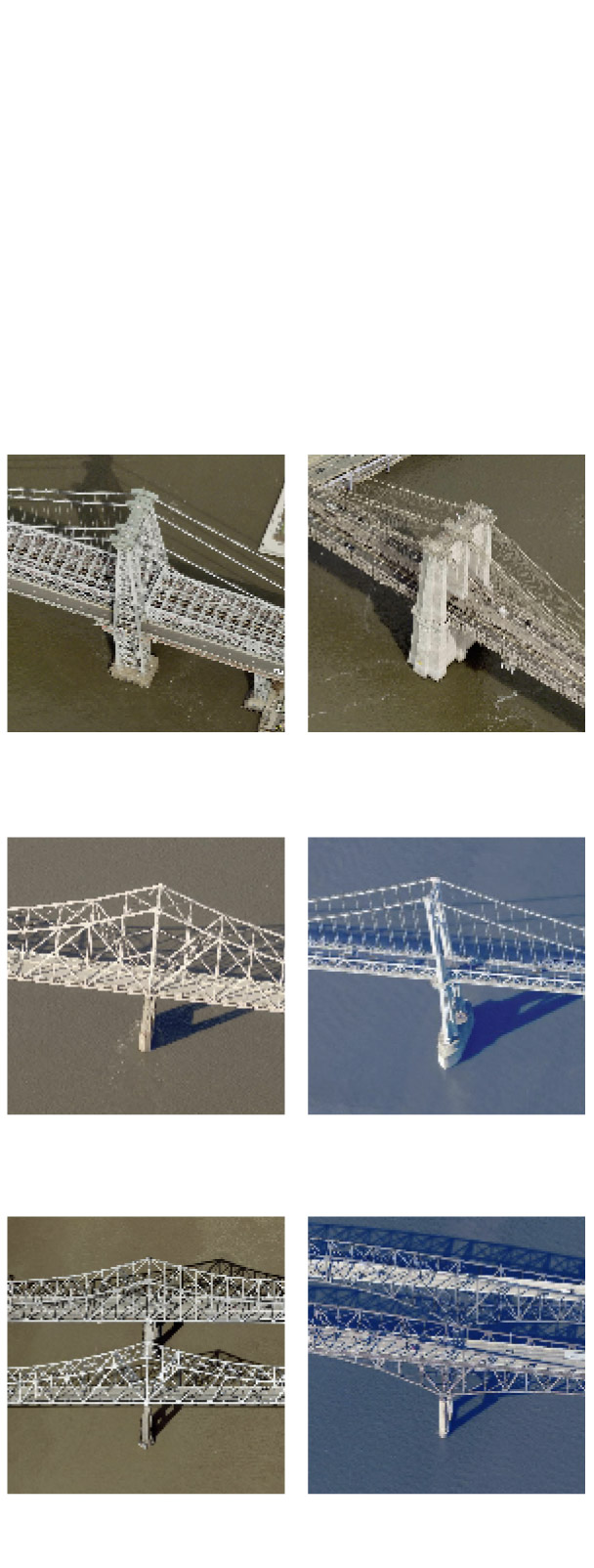
Match the sensor to the specific failure mode. Fiber optic sensors are ideal for measuring strain and temperature across long distances, detecting subtle deformations in concrete or steel. Accelerometers monitor vibration and dynamic loads from traffic or wind. For older bridges, displacement sensors track movement in expansion joints and bearings. Avoid over-engineering; do not install expensive continuous systems on assets that only require periodic static checks.

Sensors are only useful if the data is actionable. Choose systems that integrate seamlessly with existing bridge management software (BMS). Ensure the technology supports real-time alerting via SMS or email when thresholds are breached. Cloud-based platforms allow for remote access and long-term data storage, which is essential for regulatory compliance and historical trend analysis. Verify that the vendor offers open APIs to prevent data silos.
Look beyond the initial hardware cost. Consider installation downtime, power requirements, and long-term maintenance of the sensors themselves. A low-cost sensor that fails after two years is more expensive than a robust system lasting ten. Use the provided calculator to estimate the potential savings from early detection versus the cost of a major rehabilitation or emergency closure.
Spotting Weak Options in Bridge Safety Tech
New structural monitoring tools promise more safety, but the market is full of misleading claims. The most common mistake is treating a sensor as a silver bullet. A device that measures vibration does not tell you if a beam is corroding. You need to look at what the technology actually measures and what it ignores. Many vendors sell "smart" bridges by bundling cheap accelerometers with expensive software dashboards. This creates a false sense of security. The data is real, but the interpretation is often wrong. You should ask for the raw data access and the calibration history before signing a contract. If the vendor cannot explain how their algorithm distinguishes between heavy traffic and structural fatigue, the option is weak. The Infrastructure Investment and Jobs Act provides funding, but it does not guarantee the technology works. You must verify the specs yourself.
No comments yet. Be the first to share your thoughts!