

Bridge structural health monitoring budget
Structural health monitoring (SHM) for bridges is no longer a luxury reserved for major infrastructure projects. It is a practical necessity for managing aging assets and preventing catastrophic failures. However, the cost of implementation varies wildly depending on the scope, technology, and integration level. Understanding these tradeoffs helps agencies and private owners allocate funds effectively without overspending on unnecessary complexity.
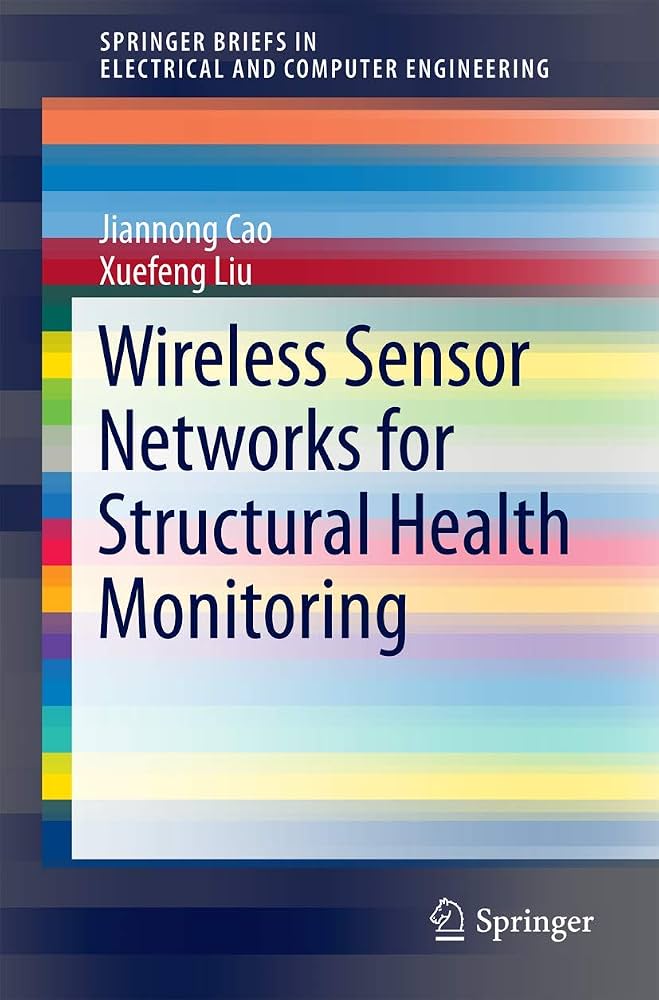
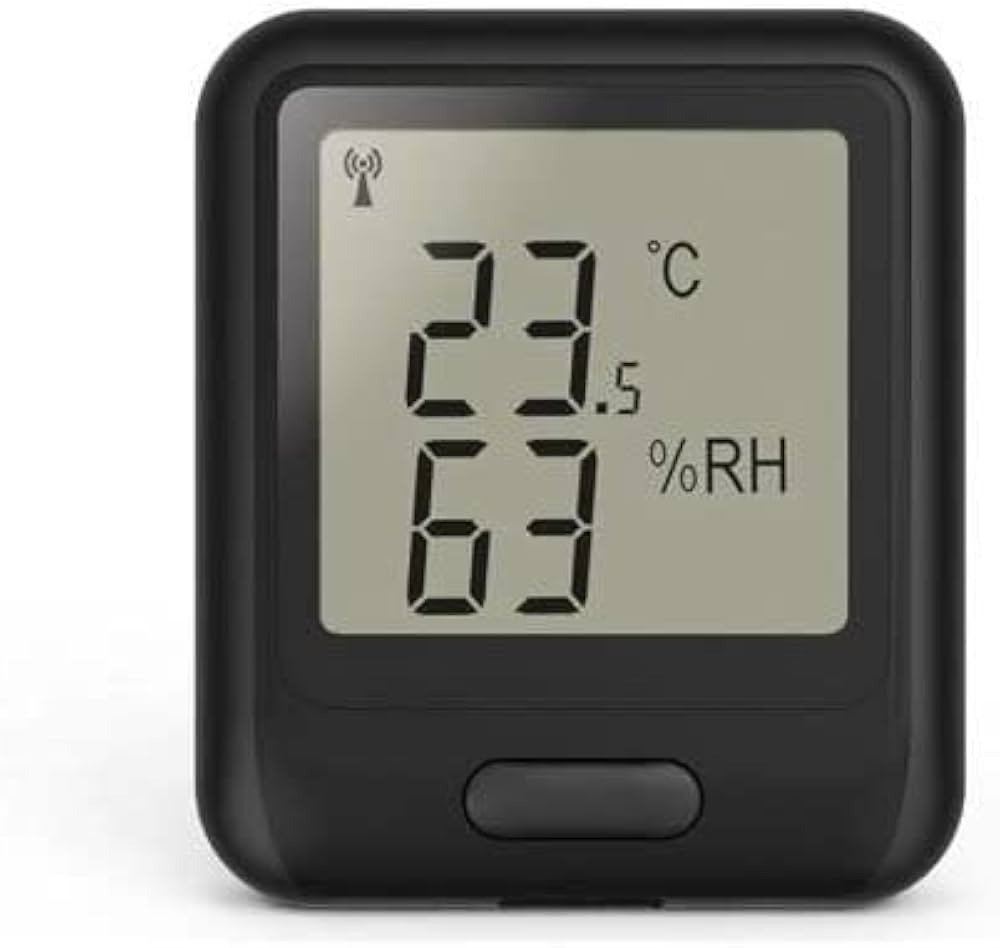
The primary cost driver is the sensor network itself. Traditional wired systems require extensive cabling, labor, and disruption to traffic, which can inflate budgets significantly. Modern wireless sensor nodes reduce installation costs but may have higher recurring maintenance or battery replacement expenses. For smaller bridges, a few strategically placed wireless sensors can provide critical data on strain, vibration, and tilt at a fraction of the cost of a full-scale wired deployment.
Integration and software platforms represent another major budget category. Raw sensor data is useless without a reliable platform to visualize, analyze, and alert. Cloud-based SHM platforms offer scalable storage and advanced analytics, including AI-driven predictive maintenance, but often involve subscription fees. On-premise solutions require upfront hardware and IT overhead. Many agencies are shifting toward hybrid models that balance immediate data access with long-term storage costs.
When selecting products, focus on those that offer clear value in specific monitoring tasks. For example, fiber optic sensors provide distributed strain measurement over long spans, ideal for cable-stayed or suspension bridges. Accelerometers are cost-effective for detecting dynamic responses to traffic and wind. Consider the bridge's age, traffic volume, and historical condition when choosing between these options.


As an Amazon Associate, we may earn from qualifying purchases.
Ultimately, the budget should align with the risk profile of the structure. A critical highway overpass in a high-traffic area warrants a more comprehensive and expensive monitoring system than a low-volume rural bridge. By prioritizing key structural elements and choosing appropriate technologies, you can build an effective SHM program that fits within financial constraints while ensuring long-term safety.
Shortlist real options
Use this section to make the Bridge Safety Report decision easier to compare in real life, not just on paper. Start with the reader's actual constraint, then separate must-have requirements from details that are merely nice to have. A practical choice should survive normal use, maintenance, timing, and budget. If a recommendation only works in an ideal situation, call that out plainly and give the reader a fallback path.
| Factor | What to check | Why it matters |
|---|---|---|
| Fit | Match the option to the primary use case. | A good deal still fails if it does not fit the job. |
| Condition | Verify age, wear, and service history. | Hidden condition issues erase upfront savings. |
| Cost | Compare purchase price with likely upkeep. | The cheapest option is not always the lowest-cost option. |
Inspect the expensive parts
Use this section to make the Bridge Safety Report decision easier to compare in real life, not just on paper. Start with the reader's actual constraint, then separate must-have requirements from details that are merely nice to have. A practical choice should survive normal use, maintenance, timing, and budget. If a recommendation only works in an ideal situation, call that out plainly and give the reader a fallback path.
-
Verify the basicsConfirm the core specs, condition, and fit before comparing extras.
-
Price the downsideLook for the repair, maintenance, or replacement cost that would change the decision.
-
Compare alternativesCheck at least two comparable options before treating one listing as the benchmark.
Plan for ownership costs
A bridge’s purchase price is just the entry fee. The real financial weight comes from decades of maintenance, unexpected structural repairs, and the cost of downtime if a span becomes unsafe. When you factor in routine inspections, sensor upgrades, and emergency interventions, the total cost of ownership often triples the initial acquisition cost.
Cheap initial purchases rarely stay cheap. Lower-tier monitoring systems or basic inspection tools may lack the durability to withstand harsh weather or the accuracy to detect subtle stress fractures early. This leads to false alarms or missed warnings, forcing owners to replace sensors frequently or conduct redundant manual inspections. Over time, these inefficiencies drain budgets faster than investing in robust, long-term solutions from the start.
Real-time structural health monitoring (SHM) shifts this dynamic by providing continuous data on a bridge’s condition. Systems like those showcased by Kistler at Intertraffic 2026 allow engineers to detect issues before they pose safety risks or require costly emergency repairs. By catching problems early, you avoid the catastrophic expenses associated with sudden structural failures or prolonged road closures.


As an Amazon Associate, we may earn from qualifying purchases.
Bridge structural health monitoring 2026: what to check next
Engineers and asset managers are shifting from periodic inspections to continuous data streams. The following questions address the practical realities of deploying structural health monitoring (SHM) systems in 2026, focusing on technology maturity, cost trade-offs, and implementation hurdles.
Choosing the right hardware often requires balancing sensitivity with power consumption. The market now offers a range of IoT-enabled sensors that can operate for years on battery or harvest energy from ambient vibrations. Selecting the right combination depends on your bridge’s specific risk profile and the data granularity required for your maintenance schedule.
No comments yet. Be the first to share your thoughts!