Federal mandates take effect
New federal bridge security rules shift the regulatory landscape from voluntary best practices to mandatory compliance in 2026. The Department of Transportation and the Transportation Security Administration have finalized directives that tie federal highway funding to the adoption of specific physical and cyber security standards for critical infrastructure.
Under the updated framework, state and local agencies managing high-traffic bridges must implement enhanced access controls, drone detection systems, and structural integrity monitoring. Non-compliance results in immediate suspension of federal grants, a significant financial lever designed to accelerate adoption across all jurisdictions.
Key Regulatory Change: Federal funding is now tied to compliance with new AI and drone detection standards.
These mandates apply to all bridges classified as critical infrastructure by the Federal Highway Administration. Operators must submit annual compliance reports detailing their security protocols, including cybersecurity measures for bridge control systems and physical barriers against vehicle ramming attacks.
The rules also establish a baseline for incident reporting. Any security breach, unauthorized access, or structural anomaly must be reported to federal authorities within 24 hours. This transparency requirement aims to create a centralized database of threats and vulnerabilities, enabling faster response times and better resource allocation across the national bridge network.
AI in bridge inspection
The 2026 federal rules mandate artificial intelligence as a core component of structural monitoring. This requirement marks a definitive end to the era of relying solely on manual visual checks. Agencies must now deploy automated anomaly detection systems to identify structural deviations in real time.
Traditional inspection methods, while historically reliable, are no longer sufficient for the scale and complexity of modern infrastructure. The new standards require continuous data streams from sensors and cameras, processed by AI algorithms to flag issues before they become visible to the human eye. This shift moves the industry from reactive maintenance to predictive preservation.
Under the updated regulations, bridge owners must integrate these AI systems into their daily operational workflows. The software does not replace engineers but augments their capabilities, highlighting specific areas of concern for targeted human review. Compliance requires documented evidence that these automated systems are active, calibrated, and reporting accurately to federal databases.

Drone detection technology
Use this section to make the New Federal Rules for Bridge Security decision easier to compare in real life, not just on paper. Start with the reader's actual constraint, then separate must-have requirements from details that are merely nice to have. A practical choice should survive normal use, maintenance, timing, and budget. If a recommendation only works in an ideal situation, call that out plainly and give the reader a fallback path.
The simplest way to use this section is to write down the must-have criteria first, then compare each option against those criteria before weighing nice-to-have features.
Compliance timeline
Use this section to make the New Federal Rules for Bridge Security decision easier to compare in real life, not just on paper. Start with the reader's actual constraint, then separate must-have requirements from details that are merely nice to have. A practical choice should survive normal use, maintenance, timing, and budget. If a recommendation only works in an ideal situation, call that out plainly and give the reader a fallback path.
The simplest way to use this section is to write down the must-have criteria first, then compare each option against those criteria before weighing nice-to-have features.
Action checklist
Operators must align existing bridge infrastructure with the 2026 federal security standards. This checklist outlines the immediate verification steps required for compliance. Use this sequence to audit physical barriers, digital monitoring systems, and reporting protocols before the enforcement deadline.
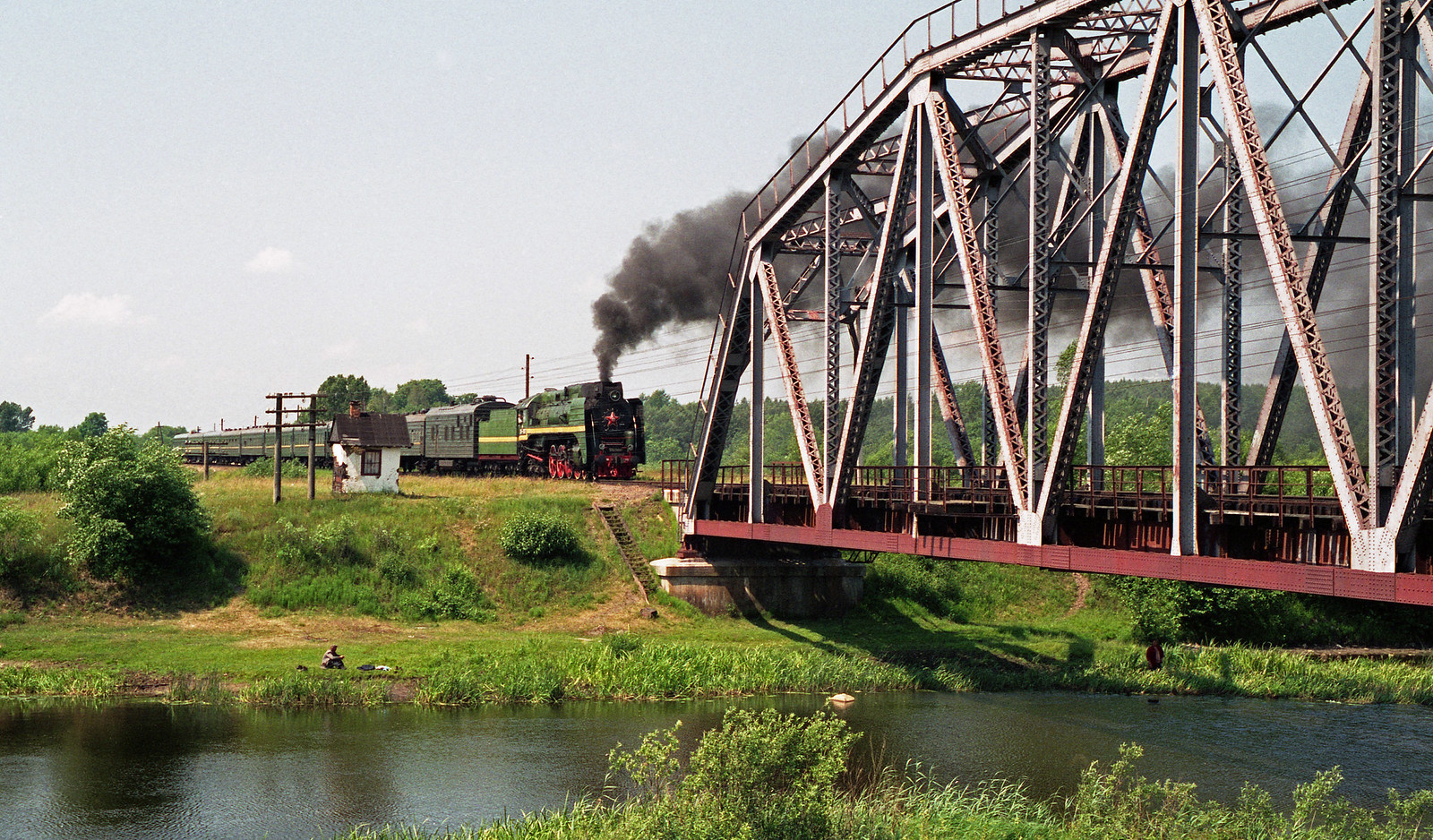
Verify that all fixed and retractable bollards meet the new impact-resistance ratings specified in the 2026 guidelines. Inspect stainless steel ornamental fencing for structural integrity and tamper-proof fastening. Ensure all pedestrian access points have updated locking mechanisms compatible with federal access control standards.
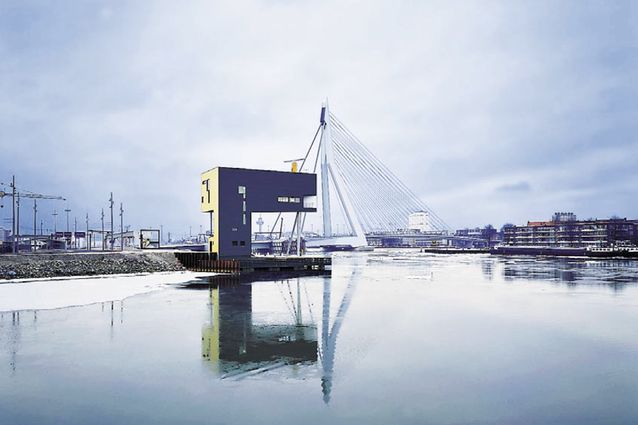
Confirm that all video surveillance feeds are integrated with approved AI anomaly detection software. Ensure the system can distinguish between authorized maintenance personnel and unauthorized access attempts. Check that alert thresholds are calibrated to reduce false positives while maintaining high-security sensitivity.
Validate that counter-unmanned aircraft systems (C-UAS) are active and properly configured. Ensure the system can detect and neutralize unauthorized drone activity within the designated exclusion zone. Review recent test logs to confirm response times meet the new federal latency requirements.

Establish a direct digital reporting channel to the federal oversight body. Ensure all incident data, including security breaches and system failures, is logged in the required format. Verify that monthly compliance reports are automatically generated and ready for submission.

Run a full-scale security drill involving all shift personnel. Test the coordination between physical security guards and remote AI monitoring teams. Document response times and identify any gaps in communication procedures before the final audit.
Common: what to check next
The 2026 federal bridge security rules introduce specific requirements for funding allocation and technical compliance. Below are answers to frequently asked questions regarding jurisdiction and implementation standards.
No comments yet. Be the first to share your thoughts!