Why 2026 changes bridge monitoring
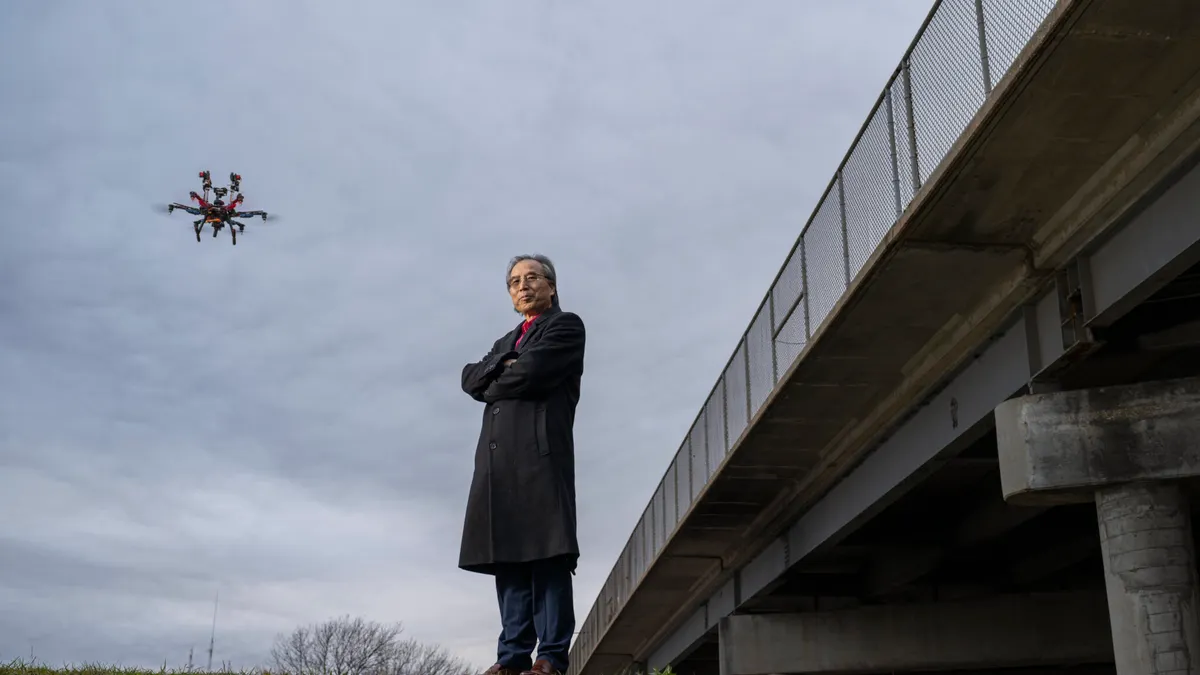
The scale of America's infrastructure problem is no longer just a budget issue; it is a logistical impossibility. The United States has more than 600,000 bridges, and traditional inspection methods simply cannot keep up. For decades, inspectors have climbed scaffolding or hung from rope systems to look for cracks and corrosion. This manual approach is slow, expensive, and dangerous, leaving many structures vulnerable while crews navigate traffic and height risks.
AI bridge inspection 2026 marks the shift from these hazardous manual climbs to automated, drone-driven workflows. Instead of risking human lives, agencies are now deploying autonomous drones equipped with high-resolution cameras and AI algorithms. These systems can map entire bridge structures in hours rather than weeks, identifying structural issues with a precision that human eyes often miss.
The adoption is accelerating because the technology works. As seen in recent industry recognitions, robotic inspection systems are winning major engineering awards for their ability to deliver accurate data without closing lanes or endangering workers. This transition is not just about convenience; it is about survival for an aging national grid.
LiDAR drones for 3D mapping
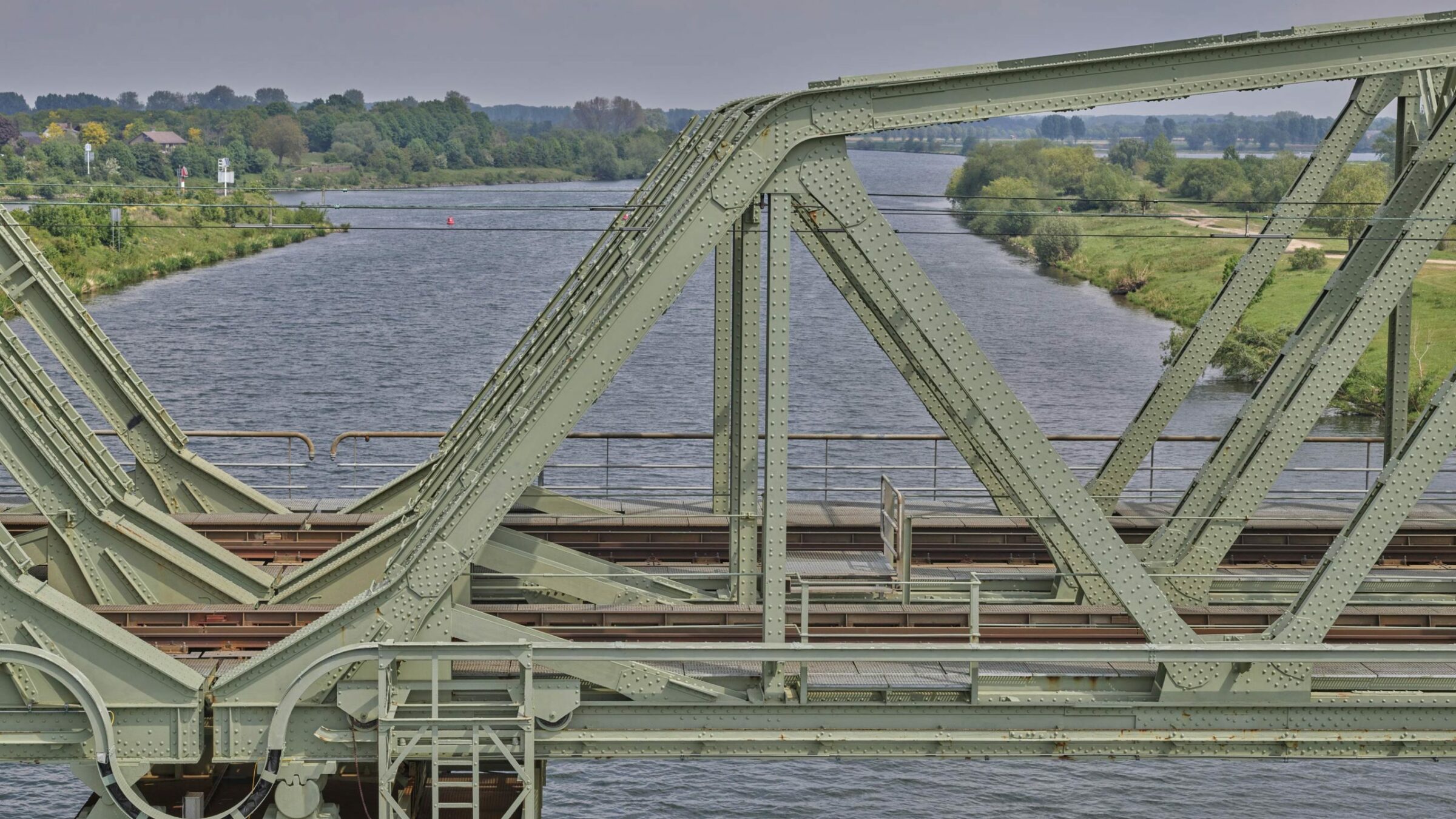
LiDAR-equipped drones are transforming how engineers capture bridge geometry. Instead of relying on physical contact or limited visual snapshots, these UAVs emit laser pulses to generate dense, high-resolution point clouds. The result is a precise digital twin of the structure, capturing every crack, corrosion spot, and structural irregularity with millimeter accuracy.
This technology allows for non-contact measurement of deflection and deformation. Engineers can analyze the digital model to detect subtle shifts in load-bearing components that might be invisible to the naked eye. By comparing current scans with historical data, maintenance teams can identify structural issues before they escalate into critical failures.
The integration of LiDAR with AI enhances this process by automatically processing the massive datasets. In the context of AI bridge inspection 2026, this combination of advanced sensing and computational power means faster, safer, and more comprehensive assessments. The visual fidelity of these 3D models provides a clear, actionable record of a bridge's condition over time.
Computer vision detects micro-cracks
AI bridge inspection 2026 relies on computer vision algorithms that analyze high-resolution imagery to identify structural defects invisible to the human eye. During a quick fly-by, drones capture thousands of overlapping photos. Specialized software stitches these into detailed maps and scans for anomalies like hairline cracks, spalling, or early-stage corrosion.
This automated assessment revolutionizes bridge inspection practices by catching issues before they become critical. While a human inspector might miss a 0.1mm fissure during a routine visual check, AI models can flag these micro-defects with high precision. This capability allows maintenance teams to prioritize repairs based on actual structural risk rather than guesswork.
Research from Iowa State University demonstrates the effectiveness of UAV-based inspections combined with AI-powered detection models. The technology doesn't just find cracks; it measures their width and depth, providing quantifiable data for engineering decisions. This shift from subjective visual checks to objective, data-driven analysis significantly improves the reliability of structural safety assessments.
Generative AI standardizing reports
The bottleneck in bridge maintenance has never been the data collection; it is the paperwork. For decades, inspectors have spent more time typing into spreadsheets than walking the bridge deck. Generative AI and natural language processing are flipping that dynamic. These tools ingest raw sensor data, drone imagery, and manual notes, then automatically draft standardized inspection reports.
This backend efficiency is critical for the future of AI bridge inspection 2026. By automating the administrative burden, agencies can focus resources on actual structural repairs rather than document formatting. The technology ensures that every report follows a consistent format, reducing human error and making historical data easier to compare across different sites and time periods.
Research from ScienceDirect highlights methods that leverage these generative models to transform unstructured inspection data into actionable insights. This standardization means that a crack identified in Ohio looks and reads the same way in a report from California, enabling more accurate predictive maintenance models at a national scale.
Real-time AR for on-site engineers
Augmented reality is shifting bridge inspection from a delayed reporting exercise to an immediate, on-site diagnostic process. By wearing AR glasses or using tablets, engineers can see digital annotations overlaid directly onto the physical bridge structure. This visual-first approach allows for instant verification of AI-detected defects without needing to cross-reference separate data logs.
The technology works by syncing drone-captured 3D models with the engineer’s field of view. When looking at a specific beam or joint, the system highlights cracks, corrosion, or spalling detected by AI algorithms. This overlay provides context that flat images cannot, showing the exact spatial relationship between different structural elements.
This integration is critical for complex infrastructure where access is limited. Instead of relying on memory or sketches, engineers interact with real-time data. The result is faster decision-making and more accurate maintenance prioritization. Recent studies on real-time image-based inspection confirm that this method reduces the time between detection and action significantly.
Cutting costs and keeping crews safe
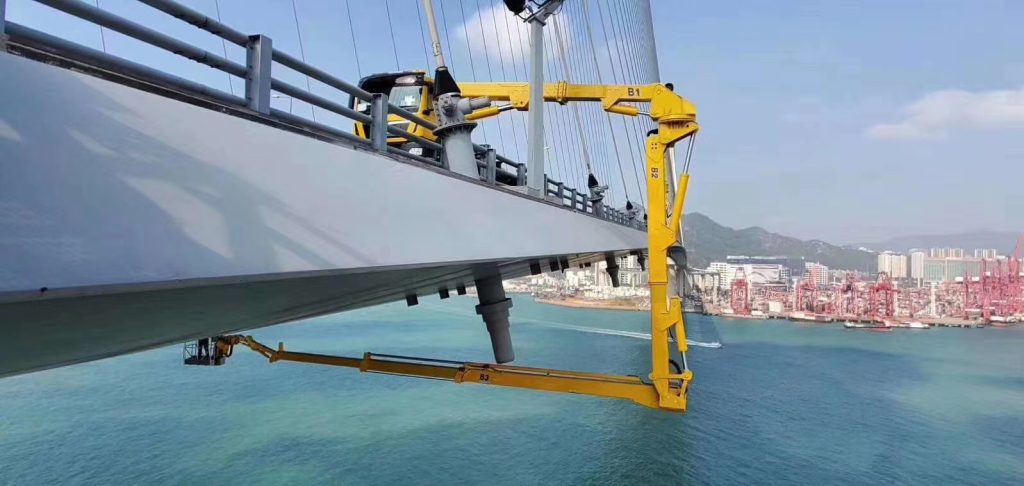
The shift toward AI bridge inspection 2026 standards is driven by a simple economic reality: traditional methods are expensive and dangerous. Replacing human climbers with autonomous drones removes workers from hazardous heights, eliminating the insurance premiums and safety protocols associated with scaffolding or bucket trucks. This change isn't just about compliance; it's a fundamental restructuring of how infrastructure maintenance budgets are allocated.
Lane closures, once a standard requirement for safe inspection access, are rapidly becoming obsolete. Drones can capture high-resolution imagery and LiDAR data from the comfort of the road shoulder, keeping traffic flowing and reducing the economic drag of construction delays. For agencies managing over 600,000 bridges, this efficiency gain translates to millions in saved transportation costs annually, allowing funds to be redirected toward actual repairs rather than access logistics.
Perhaps the most significant financial benefit is the move from reactive to predictive maintenance. AI algorithms process inspection data to identify micro-fractures and corrosion patterns long before they become visible to the naked eye. By catching these issues early, agencies can perform targeted, low-cost fixes instead of waiting for catastrophic failures that require expensive, large-scale structural interventions.
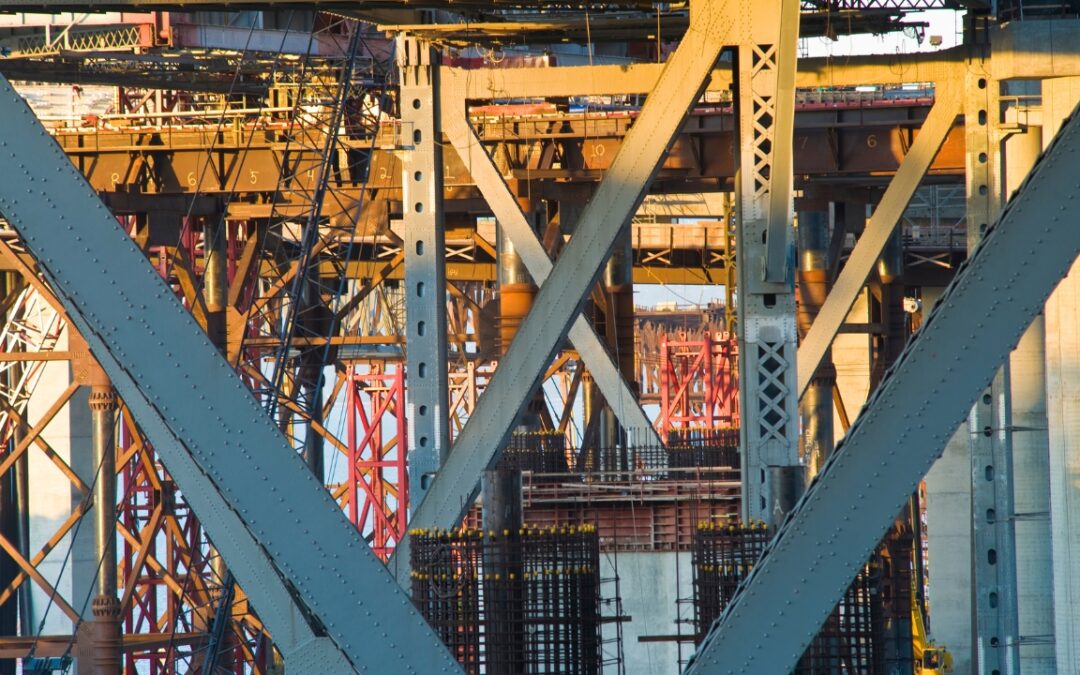
The following breakdown highlights the core advantages of this technological shift:
Key Benefits of AI Drone Inspections
-
Safety
Eliminates the need for workers to climb under bridges or work in traffic lanes, drastically reducing accident risks. -
Speed
Drones complete detailed inspections in hours rather than days, minimizing traffic disruptions and labor hours. -
Cost
Reduces reliance on expensive scaffolding, bucket trucks, and lane closure permits, saving millions in operational expenses. -
Accuracy
AI-driven analytics detect microscopic structural defects that human eyes might miss, enabling precise, predictive maintenance.
Common Questions About Drone Inspections
Stakeholders often hesitate when adopting AI bridge inspection 2026 technologies due to lingering concerns about safety, regulation, and data integrity. Addressing these practical issues head-on clarifies why drones are becoming the standard for structural safety.
How do drones comply with aviation regulations?
Drone operators must navigate strict FAA Part 107 rules, which govern visual line-of-sight operations, altitude limits, and airspace restrictions. For bridge inspections, this often requires specialized waivers or flying within controlled corridors. Companies like those highlighted in recent market analyses are adapting by integrating real-time monitoring platforms that ensure every flight stays within legal boundaries while capturing the necessary structural data. LinkedIn Pulse
Can inspections happen in bad weather?
Drones are significantly more weather-sensitive than human inspectors. High winds, rain, or fog can ground a flight entirely, as these conditions affect stability and sensor accuracy. However, modern inspection drones are built with robust weather sealing and advanced stabilization systems. While they cannot operate in a storm, they can often work in light rain or overcast conditions that would make traditional scaffolding or boom lifts too dangerous or expensive for human crews.
Is the collected data secure?
Bridge infrastructure is critical national infrastructure, making data security a top priority. Inspection data is typically encrypted both in transit and at rest. Reputable service providers use secure, cloud-based platforms that restrict access to authorized personnel only. This ensures that sensitive structural details, such as crack locations or load-bearing weaknesses, are not exposed to public view or malicious actors, maintaining the integrity of the AI bridge inspection 2026 workflow.
No comments yet. Be the first to share your thoughts!