
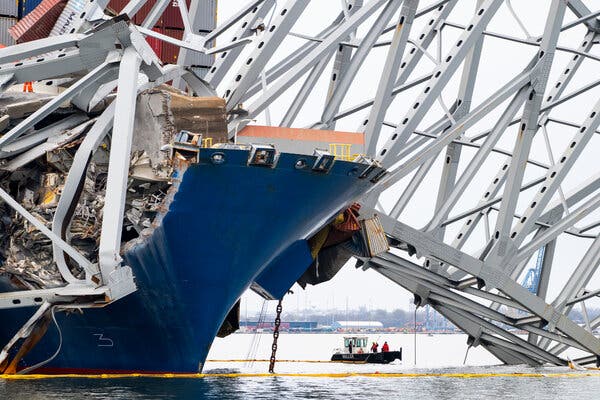
Building a bridge structural health monitoring budget
The cost of bridge structural health monitoring (SHM) depends heavily on the age and complexity of the structure. A simple urban overpass requires far fewer sensors than a long-span suspension bridge. You are not just buying hardware; you are investing in data integration and long-term maintenance.
Sensor and hardware costs
The physical sensors—accelerometers, strain gauges, and tilt meters—form the core of your budget. Older bridges may need retrofitted solutions that are less invasive but potentially less durable. Newer constructions allow for embedded sensors that are cheaper to install but require more complex wiring. Expect hardware to consume 40-60% of your initial capital expenditure.
Installation and labor
Installation is often the most unpredictable expense. Closing lanes for sensor placement can disrupt traffic and incur municipal fees. If the bridge is difficult to access, crane rentals and specialized labor will drive costs up. Factor in at least 20% of the total budget for professional installation and calibration.
Software and maintenance
Hardware is useless without software to interpret the data. Licensing fees for SHM platforms vary by the number of sensors and the depth of analytics. Annual maintenance covers sensor replacement, software updates, and cloud storage. Plan for recurring costs of 10-15% of the initial hardware investment per year.
![[BLE Vibration Sensor] WTVB01-BT50 Smart Vibration Module Ar-duino, 3-axis Vibration(Amplitude+Frequency+Displacement+Speed) Detector, Wireless Acceleration Shock Motor Monitor](https://m.media-amazon.com/images/I/61nCksMApwL._AC_UY654_QL65_.jpg)

As an Amazon Associate, we may earn from qualifying purchases.
Planning for the long term
A bridge structural health monitoring budget should account for the entire lifecycle of the system. Cheaper sensors may fail prematurely, requiring frequent replacement. Investing in higher-quality, industrial-grade components reduces long-term downtime. Always include a contingency fund for unexpected structural challenges discovered during installation.
Compare the strongest bridge structural health monitoring 2026 options
Engineers need reliable data to keep bridges safe, but the market offers different ways to get it. Some systems focus on dense sensor networks for real-time alerts, while others use digital twins to predict wear over time. The best choice depends on your bridge type, budget, and whether you need immediate alerts or long-term trend analysis.
We compared four leading approaches available in 2026. This table highlights their core strengths to help you pick the right tool for your infrastructure.
| System | Primary Focus | Data Type | Best For |
|---|---|---|---|
| Kistler Digital SHM | Real-time alerts | Digital vibration/strain | High-traffic urban bridges |
| Dywidag Monitoring | Condition assessment | Comprehensive sensor suite | Large-span critical infrastructure |
| Digital Twin Frameworks | Predictive maintenance | Sparse sensing + AI modeling | Existing bridges with limited sensors |
| EWSHM Academic Standards | Research & benchmarking | Peer-reviewed methodologies | New construction design validation |
Real-time digital sensing
Kistler’s fully digital solution, showcased at Intertraffic 2026, converts analog signals directly to digital data at the sensor. This reduces noise and allows for faster processing. It is ideal for bridges that need immediate alerts for overloading or structural anomalies. The system works best where traffic is heavy and response time matters.
Comprehensive condition assessment
Dywidag offers a full-service approach, combining hardware installation with ongoing data analysis. Their systems provide a complete picture of a bridge’s health, from foundation to deck. This is suitable for critical infrastructure where failure is not an option. The trade-off is higher initial cost and complexity.
Digital twin frameworks
Academic research from 2026 highlights digital twins that work with sparse sensor data. These systems use AI to fill in gaps, creating a virtual replica of the bridge. This is cost-effective for older bridges where installing thousands of sensors is impractical. It shifts the focus from real-time alerts to long-term trend prediction.
Industry standards and research
Events like the European Workshop on Structural Health Monitoring (EWSHM) 2026 in Toulouse set the standards for these technologies. While not a commercial product, adhering to these benchmarks ensures your monitoring system meets rigorous safety criteria. Use these standards to evaluate any commercial vendor’s claims.
Inspect the expensive parts
Use this section to make the The Bridge Collapse Crisis decision easier to compare in real life, not just on paper. Start with the reader's actual constraint, then separate must-have requirements from details that are merely nice to have. A practical choice should survive normal use, maintenance, timing, and budget. If a recommendation only works in an ideal situation, call that out plainly and give the reader a fallback path.
-
Verify the basicsConfirm the core specs, condition, and fit before comparing extras.
-
Price the downsideLook for the repair, maintenance, or replacement cost that would change the decision.
-
Compare alternativesCheck at least two comparable options before treating one listing as the benchmark.
Ownership costs and maintenance surprises
A low purchase price rarely tells the full story. AI-powered structural health monitoring (SHM) systems introduce new layers of ownership cost that extend far beyond the initial hardware installation. While traditional inspection methods rely on periodic, labor-intensive manual checks, digital SHM shifts the expense toward continuous data management, cloud storage, and algorithmic maintenance.
The most common surprise for bridge owners is the "data debt." Sensors may be cheap, but the infrastructure needed to ingest, store, and process terabytes of vibration and strain data over decades is significant. You must account for the recurring costs of server hosting, cybersecurity updates, and software licensing for the AI analytics platform. If the system is not integrated into your existing asset management software, you may also face hidden costs for custom API development or third-party middleware.
Maintenance surprises often come from sensor degradation rather than bridge deterioration. Piezoelectric accelerometers and fiber optic sensors require calibration and replacement every 5 to 10 years. Unlike a bridge beam, these small components are often overlooked in long-term budgeting. A system that seemed affordable upfront can become costly if you underestimate the frequency of sensor swaps or the labor required to access hard-to-reach mounting points.
When cheap stops being cheap
Choosing the lowest-cost SHM solution often leads to higher long-term expenses due to false positives and system downtime. Low-fidelity sensors may miss subtle anomalies, leading to unnecessary emergency inspections or, worse, undetected structural issues. The cost of a single false alarm—dispatching crews to a bridge for a non-issue—can quickly exceed the savings from buying cheaper hardware.
Also, proprietary ecosystems can lock you into expensive vendor contracts. If your initial purchase includes a closed-source AI engine, future updates or additional sensor integrations may require costly license renewals. Open-source or interoperable systems, while sometimes more complex to set up, often offer lower total cost of ownership (TCO) over a 20-year lifecycle.
Recommended SHM tools and sensors
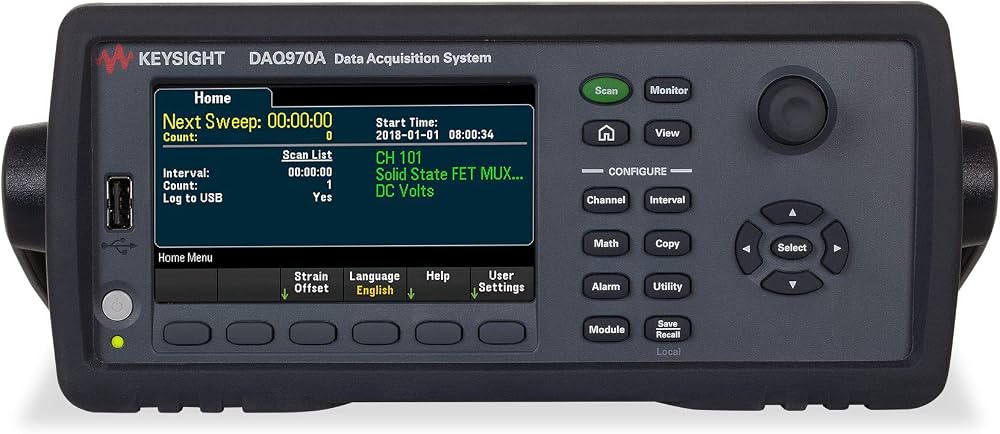
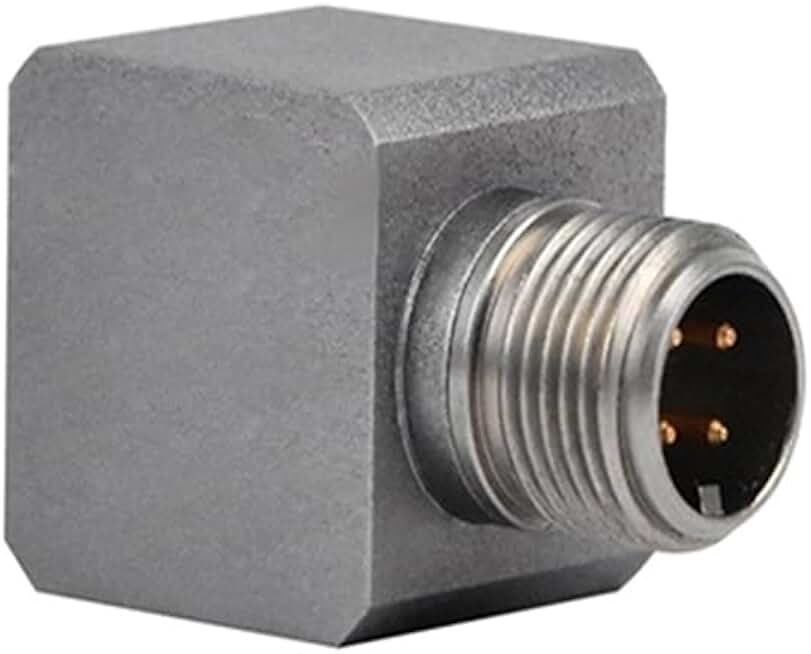
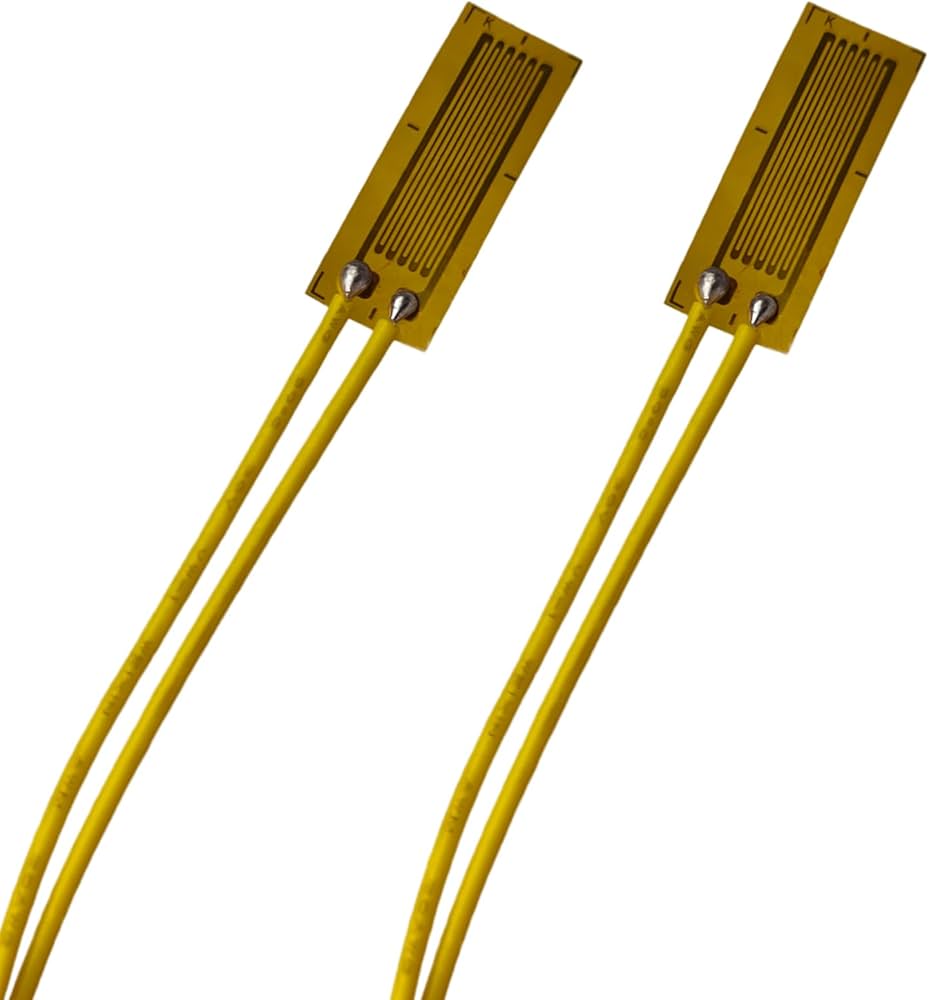
Selecting the right hardware is critical for managing these costs. The following products represent reliable entry points for implementing basic structural health monitoring on smaller bridges or specific structural elements.

As an Amazon Associate, we may earn from qualifying purchases.
Always verify that the selected components are compatible with your existing data infrastructure. Investing in interoperable, open-standard sensors can save significant integration costs down the road.
Bridge structural health monitoring 2026: what to check next
How does AI improve real-time bridge monitoring compared to traditional methods?
Traditional inspections rely on periodic visual checks, which can miss internal degradation. AI-powered structural health monitoring (SHM) uses embedded sensor networks to measure micro-strain, vibrational anomalies, and corrosion in real time. This continuous data stream allows engineers to detect issues before they pose safety risks or require costly repairs, shifting maintenance from reactive to predictive.
What specific data do AI monitoring systems track?
These systems deploy IoT-enabled sensor networks that capture a wide range of structural metrics. Key data points include micro-strain on critical load-bearing elements, vibrational anomalies that indicate structural fatigue, and environmental factors like temperature and humidity that affect material integrity. This comprehensive dataset forms the basis for digital twin frameworks that simulate bridge behavior under various conditions.
Is AI structural health monitoring suitable for existing infrastructure?
Yes. Recent frameworks, such as those presented at the 2026 European Workshop on SHM, are specifically designed for existing large-span bridges under sparse sensing conditions. These systems can integrate with older infrastructure, providing real-time condition data without requiring a complete overhaul of the existing sensor landscape. This makes them a practical solution for managing aging bridge portfolios.
What are the main benefits of implementing AI in bridge maintenance?
The primary benefit is early detection. By identifying structural issues before they escalate, agencies can prevent catastrophic failures and extend the lifespan of critical infrastructure. This proactive approach reduces long-term repair costs and improves public safety by ensuring bridges remain structurally sound under normal and extreme loading conditions.
No comments yet. Be the first to share your thoughts!