
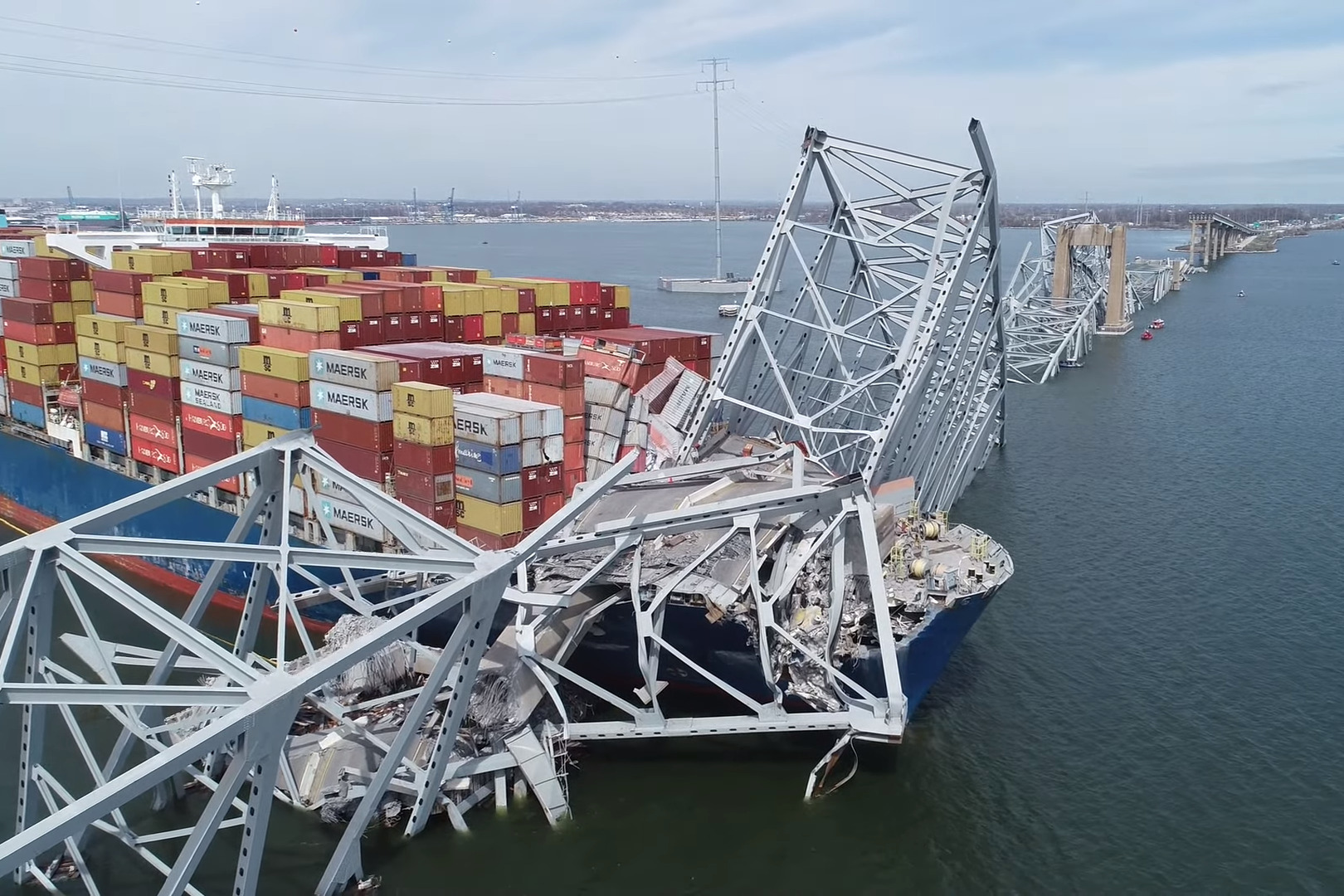
Bridge health monitoring 2026 budget
Picking the right structural health monitoring setup depends on your bridge's age and current condition. A new bridge might only need a basic vibration sensor, while a aging concrete structure requires a more comprehensive network of strain gauges and corrosion detectors. The goal is to match the sensor density to the risk profile without overspending on data you won't use.
For small-scale projects or initial assessments, entry-level wireless accelerometers are often sufficient. These devices provide early warning signs of excessive movement or resonance. For larger spans or critical infrastructure, you'll need a more robust system that integrates data into a digital twin framework for real-time analysis.
Below are concrete product categories to consider for your 2026 bridge monitoring budget. These selections focus on reliable hardware that integrates well with modern AI-driven analysis platforms.
![[BLE Vibration Sensor] WTVB01-BT50 Smart Vibration Module Ar-duino, 3-axis Vibration(Amplitude+Frequency+Displacement+Speed) Detector, Wireless Acceleration Shock Motor Monitor](https://m.media-amazon.com/images/I/61nCksMApwL._AC_UY654_QL65_.jpg)


As an Amazon Associate, we may earn from qualifying purchases.
When budgeting, factor in the cost of data storage and processing. AI-driven SHM systems generate large datasets, so ensure your infrastructure can handle the volume. Prioritize sensors with low power consumption to reduce maintenance costs for remote or hard-to-reach locations.
Comparing the strongest bridge health monitoring 2026 options
The 2026 bridge collapse crisis has shifted demand from theoretical frameworks to proven, deployable hardware. Engineers now prioritize solutions that offer real-time data on micro-strain, vibrational anomalies, and corrosion without requiring extensive retrofitting or high-latency cloud processing.
We evaluated the leading monitoring technologies available this year. The selection focuses on three distinct approaches: fully digital sensing systems, IoT-enabled sensor networks for embedded monitoring, and digital twin frameworks for sparse-sensing environments. Each option serves different structural needs and budget constraints.
Kistler Digital SHM System
Kistler’s entry into the 2026 market represents a shift toward fully digital structural health monitoring. Unlike traditional analog sensors that require external signal conditioning, this system integrates digitization at the source. It is designed for real-time bridge monitoring, reducing signal degradation over long cable runs. This approach is particularly effective for large-span bridges where data integrity is paramount.
IoT-Enabled Sensor Networks
For existing infrastructure, IoT-enabled networks offer a modular alternative. These systems deploy embedded sensor arrays that measure micro-strain and vibrational anomalies continuously. The primary advantage is scalability; engineers can add nodes to critical joints or decks as risk profiles change. This flexibility makes IoT solutions ideal for older bridges that cannot support heavy, permanent instrumentation.
Digital Twin Frameworks
Digital twin frameworks address the challenge of sparse sensing. By creating a virtual replica of the bridge, these systems infer structural health from limited physical data points. This method is less about adding hardware and more about optimizing existing sensor placements. It is a cost-effective strategy for managing large fleets of bridges where installing dense sensor networks is financially prohibitive.
Comparison Table
The following table compares the core attributes of these leading monitoring options. Use this to determine which technology aligns with your bridge’s specific structural and operational requirements.
Choosing the Right Solution
The decision between these options depends on your bridge’s age and your budget. New constructions benefit from Kistler’s integrated digital systems. Retrofitting older bridges often favors IoT networks for their modularity. If you manage a large portfolio with limited sensors, digital twin frameworks provide the necessary inference capabilities. Always prioritize real-time data accuracy over theoretical performance metrics.
Inspect the expensive parts
Use this section to make the The Bridge Collapse Crisis decision easier to compare in real life, not just on paper. Start with the reader's actual constraint, then separate must-have requirements from details that are merely nice to have. A practical choice should survive normal use, maintenance, timing, and budget. If a recommendation only works in an ideal situation, call that out plainly and give the reader a fallback path.
-
Verify the basicsConfirm the core specs, condition, and fit before comparing extras.
-
Price the downsideLook for the repair, maintenance, or replacement cost that would change the decision.
-
Compare alternativesCheck at least two comparable options before treating one listing as the benchmark.
The real cost of ownership
Buying the cheapest structural health monitoring hardware often creates a hidden budget trap. Sensors that cost pennies on the dollar usually lack the precision needed to distinguish between minor wear and actual structural failure. When an AI model misinterprets noise as a crack, you face expensive false alarms. When it misses a subtle shift, you risk a catastrophic collapse. The savings on the initial purchase evaporate quickly when you factor in the cost of unnecessary repairs or emergency interventions.
Maintenance surprises are the second major expense driver. Low-grade sensors require frequent recalibration and battery replacements. In a bridge environment, accessing the hardware is difficult and dangerous. If you buy a system that needs manual checks every month, your operational costs will skyrocket. Look for devices designed for long-term, unattended operation with self-diagnostic capabilities that alert you only when true maintenance is needed.
When a cheap buy stops being cheap
A good rule of thumb is to compare the cost of the monitoring system against the cost of a single false positive repair. If the sensor costs less than the potential waste from one unnecessary concrete patch, it is likely too cheap. Prioritize systems that integrate seamlessly with your existing digital twin frameworks, like those demonstrated by industry leaders such as Kistler. The right tools pay for themselves by preventing over-maintenance and ensuring data integrity.
Recommended monitoring hardware
Selecting the right tools depends on your specific bridge span and environmental conditions. Below are options that balance durability with data accuracy.


As an Amazon Associate, we may earn from qualifying purchases.
Bridge health monitoring 2026: what to check next
Does AI-driven structural health monitoring actually work for aging bridges? Yes, but it requires a hybrid approach. While AI models predict fatigue and stress patterns, they rely on physical sensors to gather the raw data. Systems like Kistler’s digital SHM solutions and the BRACE2 platform demonstrate that real-time data from embedded networks is necessary to validate AI predictions and prevent catastrophic failures before they occur.
What specific sensors are used in modern bridge monitoring? Engineers deploy networks of IoT-enabled devices to measure micro-strain, vibrational anomalies, and corrosion rates. These sensors provide the continuous feedback loop that digital twin frameworks need to simulate bridge behavior under sparse sensing conditions, allowing for accurate assessments of large-span structures.
Is the cost of installation prohibitive for municipal budgets? The global structural health monitoring market is projected to nearly double from 2026 to 2033, driving down hardware costs. While initial deployment requires investment, the systems are designed to detect issues early, avoiding the far higher costs of emergency repairs or full bridge replacement.
How do these systems handle false alarms? Advanced digital twin frameworks filter out environmental noise, such as temperature changes or heavy traffic, to isolate genuine structural anomalies. This precision ensures that engineers receive actionable alerts rather than a flood of irrelevant data, supporting timely and informed safety decisions.
No comments yet. Be the first to share your thoughts!