
Bridge Watcher 2026 Budget Fit
A bridge watcher is a specialized tool, and its value depends entirely on how you plan to use it. The 2026 market splits into three clear tiers: basic monitoring for casual observation, professional-grade analytics for structural engineers, and enterprise systems for large-scale infrastructure. Your budget should match the severity of the risks you are tracking.
For casual users or small-scale projects, a basic bridge watcher costs between $50 and $200. These devices offer simple vibration sensing and basic data logging. They are sufficient for monitoring footbridges, garden structures, or small pedestrian crossings. If your primary concern is detecting unusual movement or wear, this tier provides the best value without overcomplicating your setup.
Professional-grade bridge watchers range from $200 to $1,000. These units include high-precision accelerometers, temperature compensation, and cloud-based data dashboards. They are designed for structural engineers and facility managers who need to track load stress, fatigue, and environmental impact over time. The data quality here is critical for compliance and long-term maintenance planning.
Enterprise systems exceed $1,000 and are built for large-scale infrastructure like highways, railways, and major public works. These systems integrate with existing SCADA networks, offer real-time alerts, and provide comprehensive historical analysis. They are essential for government agencies and large corporations that manage multiple bridges and require regulatory compliance.
When choosing a bridge watcher, consider the following factors:
- Sensor Precision: Higher precision sensors provide more accurate data but come at a higher cost.
- Data Storage: Local storage is cheaper, but cloud storage offers better accessibility and backup.
- Connectivity: Wi-Fi and cellular options offer more flexibility than wired connections.
- Durability: Ensure the device is rated for the environmental conditions it will face.
By aligning your budget with your specific needs, you can select a bridge watcher that provides the right balance of functionality and cost-effectiveness.
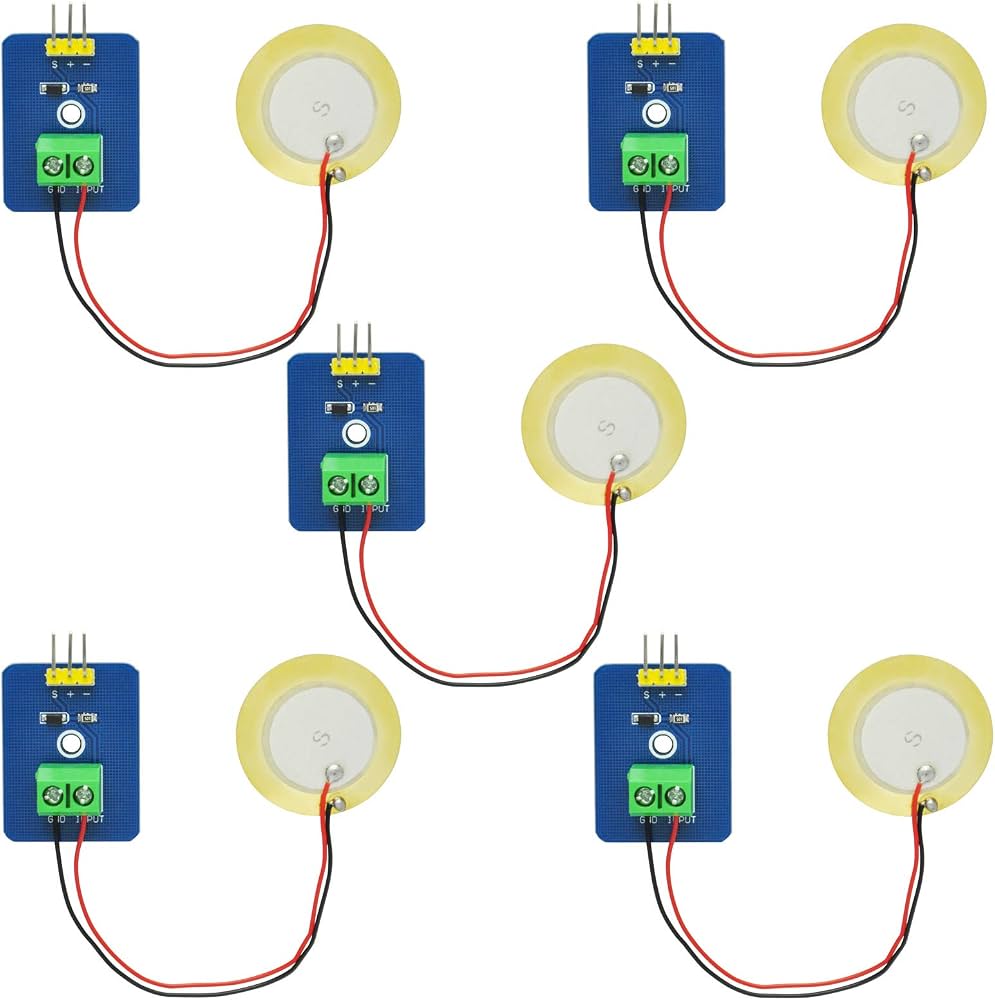
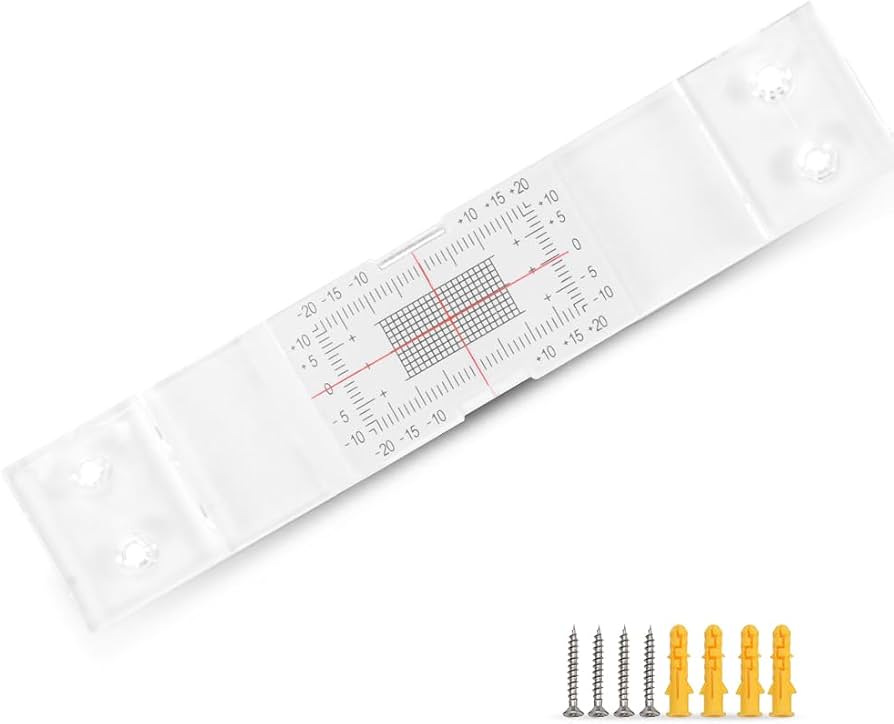
As an Amazon Associate, we may earn from qualifying purchases.
Shortlist real options
Use this section to make the Bridge Watcher decision easier to compare in real life, not just on paper. Start with the reader's actual constraint, then separate must-have requirements from details that are merely nice to have. A practical choice should survive normal use, maintenance, timing, and budget. If a recommendation only works in an ideal situation, call that out plainly and give the reader a fallback path.
| Factor | What to check | Why it matters |
|---|---|---|
| Fit | Match the option to the primary use case. | A good deal still fails if it does not fit the job. |
| Condition | Verify age, wear, and service history. | Hidden condition issues erase upfront savings. |
| Cost | Compare purchase price with likely upkeep. | The cheapest option is not always the lowest-cost option. |
Inspect the expensive parts
AI monitoring systems catch problems early, but they can’t fix them. The real cost comes from the repairs themselves. Focus your budget on the structural elements that fail most often and cost the most to replace.
1. Deck Joints and Expansion Mechanisms
Joints handle the daily stress of thermal expansion and heavy traffic. When they fail, water penetrates the deck, corroding the steel underneath. Look for rust staining on the concrete below the joint. AI sensors can detect the subtle vibrations of a loose joint before it cracks the surrounding concrete.
2. Cable Saddles and Anchorages
For suspension or cable-stayed bridges, the cables are the lifeline. Corrosion in the anchorages is expensive and dangerous. Check for discoloration or rust at the base of the cables. Modern monitoring systems use acoustic emission sensors to hear the microscopic sounds of wire breakage, giving you time to plan repairs before a cable snaps.
3. Pier Scour and Foundation Integrity
Water flowing around bridge piers can wash away the soil underneath, a process called scour. This is a leading cause of bridge collapse. Use AI-driven sonar or LiDAR scans to map the riverbed around the piers. If the soil level drops, the foundation is exposed and vulnerable to failure during high water events.
4. Bearing Assemblies
Bearings allow the bridge to move slightly without cracking. When they seize up, the stress transfers to the concrete, causing cracks. Inspect for visible misalignment or rust on the metal plates. AI vision systems can track minute shifts in bearing position over time, flagging any movement that exceeds safe limits.
5. Concrete Spalling and Rebar Corrosion
Concrete expands when the steel inside rusts, causing the surface to crack and flake off. This exposes more steel to the elements. Look for circular cracks or rust stains on the deck and pillars. Ground-penetrating radar can map the extent of rebar corrosion beneath the surface, helping you prioritize which areas need immediate patching.
Ownership costs and maintenance surprises
An AI-driven bridge monitoring system is an infrastructure asset, not a one-time purchase. The sticker price covers hardware and initial software licensing, but the real financial weight comes from ongoing operational expenses. You must budget for cloud storage, API calls for continuous data processing, and the specialized labor required to interpret complex structural health data.
Maintenance is where budgets often fracture. Sensors exposed to weather, traffic vibration, and temperature swings require regular calibration and replacement. Software subscriptions for security patches and model updates are recurring line items that many first-time buyers overlook. When a system fails to alert properly, the cost isn't just the repair; it's the liability and the potential for catastrophic structural failure.
A cheap initial buy stops being cheap when it can't handle the data volume or environmental stress. Cheaper systems often lack the redundancy or accuracy needed for critical infrastructure, leading to false positives that waste maintenance crews or, worse, missed detections. Long-term ownership favors systems with transparent support contracts and modular hardware that can be upgraded rather than replaced entirely.


As an Amazon Associate, we may earn from qualifying purchases.
Bridge watcher 2026: what to check next
We know you have practical concerns before committing to any monitoring or tracking solution for 2026. Here are the direct answers to the most common questions about Bridge Day, the World Bridge Championships, and related events.
No comments yet. Be the first to share your thoughts!