Spotting structural distress early
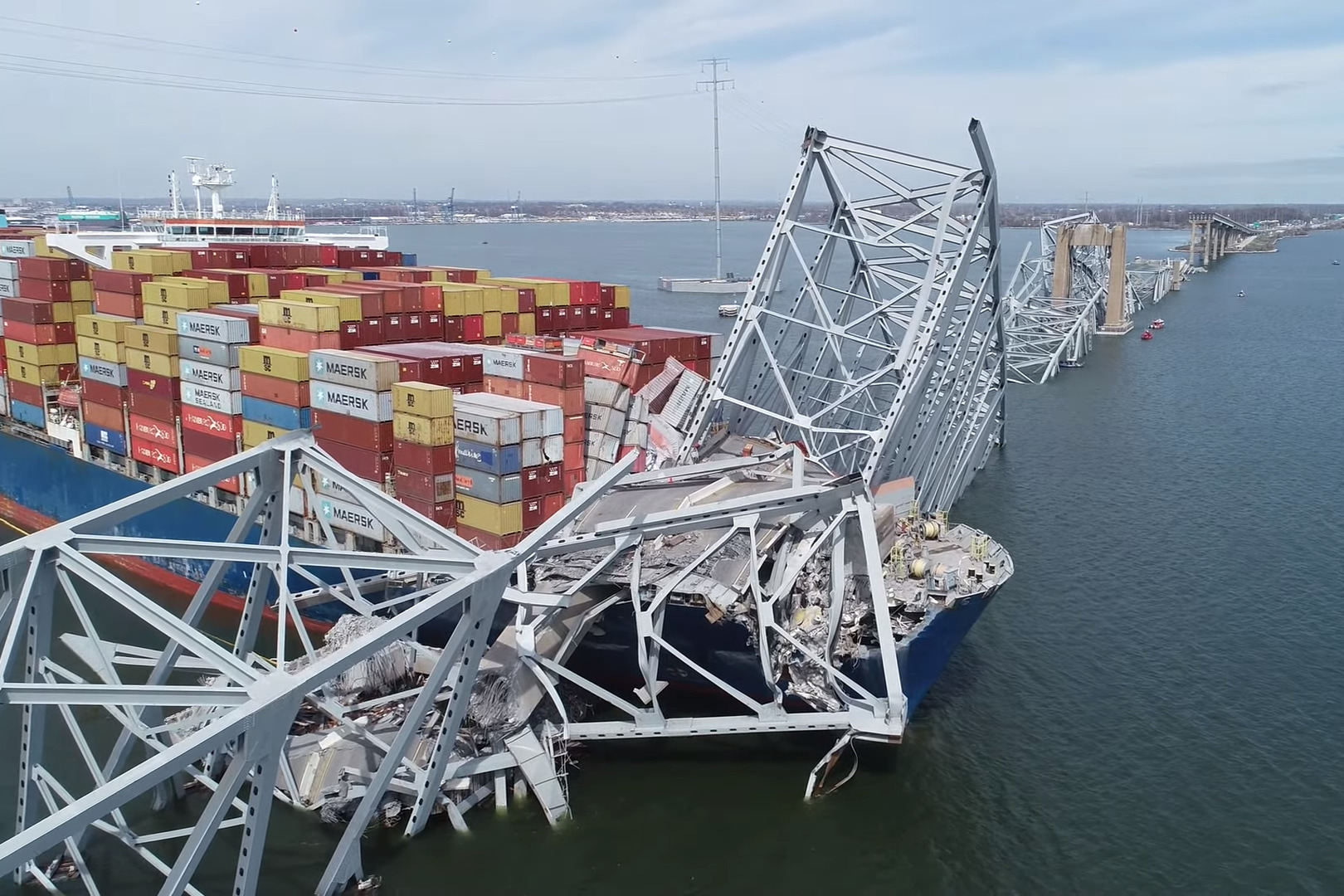
Bridges don't fail overnight. They show symptoms first: hairline cracks in concrete, rust staining on steel girders, or slight shifts in bearing pads. Catching these signs early is the difference between a routine repair and a catastrophic closure. Traditional inspection relies on human eyes and physical access, methods that are thorough but often slow, expensive, and limited by weather or traffic conditions.
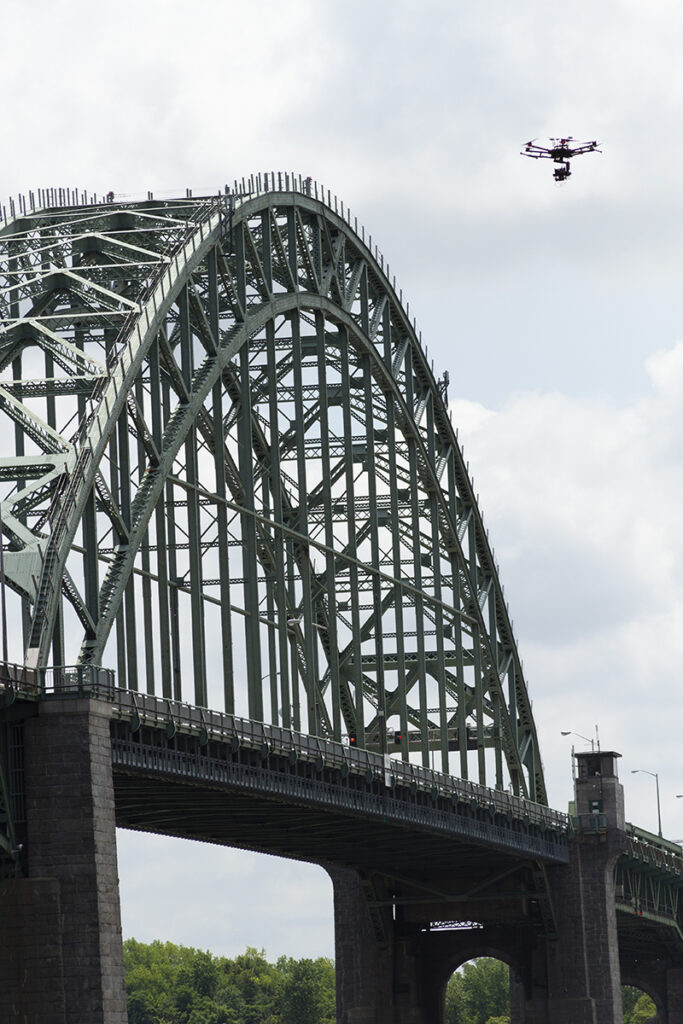
AI monitoring tools are changing this dynamic by augmenting human inspectors rather than replacing them. Computer vision models analyze images from drones, cameras, or even smartphones to identify micro-cracks and corrosion patterns that might be missed during a routine visual check. These systems can process thousands of images in minutes, flagging anomalies for closer human review. This allows maintenance crews to prioritize resources based on actual risk rather than fixed schedules.
The integration of AI doesn't eliminate the need for skilled engineers. Instead, it shifts their role from data collectors to decision-makers. Inspectors can now focus on understanding why a defect is occurring and how best to fix it, rather than spending days just finding it. This synergy between human expertise and machine speed is becoming the new standard for bridge safety management.
Smart bridge sensors in action
Inspection crews are no longer relying solely on visual checks. In 2026, bridge safety relies on a network of smart sensors embedded directly into the structure. These devices act like a nervous system, constantly reporting on the bridge’s health. When a sensor detects a strain or vibration that exceeds normal limits, it alerts engineers before a visible crack ever appears.
Strain and vibration monitoring
Strain gauges measure how much the bridge deck stretches or compresses under load. Vibration sensors track the frequency of movement caused by traffic or wind. Together, they provide a real-time picture of structural stress. If a heavy truck passes over a weakened section, the data spike is immediate and precise.
Temperature and environmental tracking
Temperature sensors are equally critical. Steel and concrete expand and contract with heat, creating internal stress. By monitoring these shifts, inspectors can distinguish between normal thermal movement and dangerous structural deformation. This data feeds into central monitoring systems, allowing for proactive maintenance rather than reactive repairs.
How AI infrastructure monitoring workflows operate
Bridge safety relies on a continuous loop of detection, analysis, and action. When sensors embedded in or attached to a bridge detect anomalies—such as unusual vibration, strain, or corrosion—the data does not sit idle. It moves through a specific pipeline designed to turn raw numbers into maintenance decisions. This process replaces guesswork with evidence, ensuring that structural integrity is maintained before visible damage occurs.
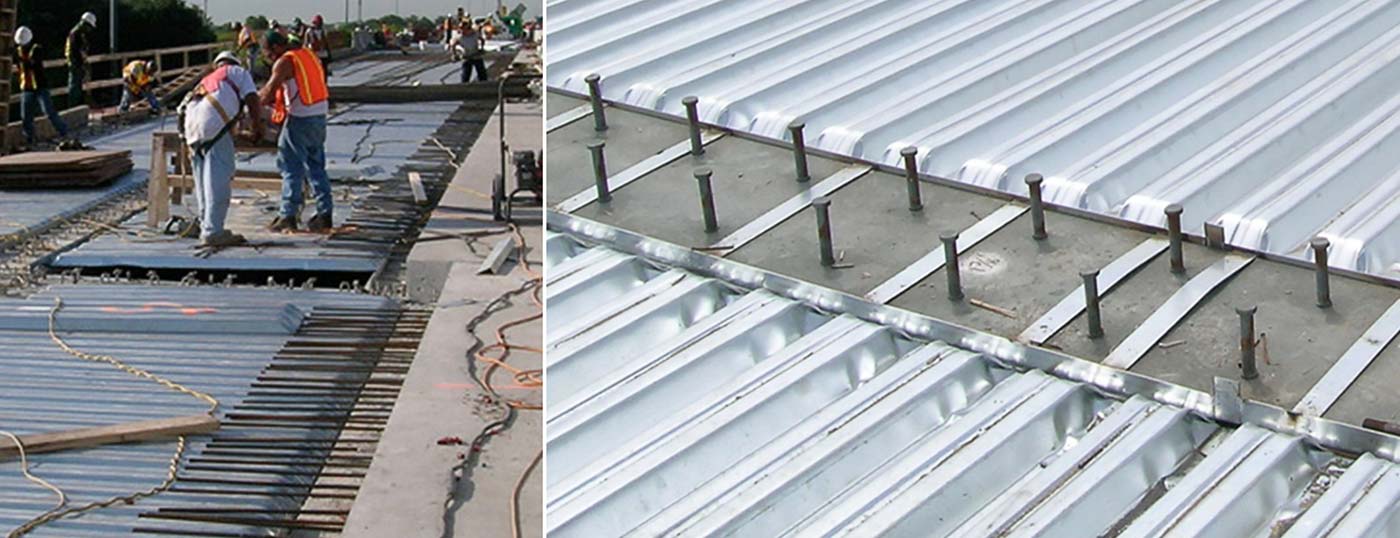
The workflow begins with data acquisition. Modern bridges are equipped with accelerometers, strain gauges, and corrosion sensors that monitor the structure’s health in real time. These devices capture millions of data points daily, tracking everything from traffic load to environmental stress. The goal is to identify subtle deviations from the bridge’s normal behavior, which often precede significant structural issues.
Sensors attached to critical bridge components continuously record structural metrics. This data is transmitted via secure wireless networks or fiber optics to a central cloud platform. The transmission must be reliable and low-latency to ensure that real-time anomalies are captured without delay.
Once received, the raw data is cleaned and standardized in the cloud. This step removes noise caused by environmental factors like wind or temperature fluctuations. The processed data is then stored in a time-series database, creating a historical baseline for each bridge’s performance over time.
Machine learning algorithms analyze the stored data against the established baseline. These AI models are trained to recognize patterns associated with specific types of damage, such as fatigue cracks or bearing failures. By comparing current readings to historical trends, the system can identify early signs of deterioration that human inspectors might miss.
When the AI detects a deviation that exceeds safety thresholds, it generates an alert. This alert includes the location, severity, and recommended action. Maintenance teams receive this information directly, allowing them to prioritize repairs and allocate resources efficiently. This proactive approach prevents minor issues from escalating into major failures.
This structured workflow transforms passive infrastructure into an active participant in its own safety. By automating the detection and analysis phases, bridge managers can focus on effective remediation rather than constant monitoring. The result is a safer, more resilient transportation network that adapts to the demands of modern use.
2026 inspection regulation updates
The 2026 bridge safety landscape is shifting from reactive repairs to proactive digital monitoring. New mandates from the U.S. Army Corps of Engineers (USACE) and updated standards from the American Association of State Highway and Transportation Officials (AASHTO) now require bridge owners to integrate AI-driven monitoring tools into their inspection workflows. These changes are not optional suggestions; they are compliance requirements designed to catch structural degradation before it becomes a visible failure.
For bridge owners, the primary shift is the mandatory adoption of digital record-keeping and sensor calibration logs. Traditional paper-based inspection reports are being phased out in favor of real-time data streams. This means that every inspection must now include validated AI model reports that explain how automated systems detected anomalies like micro-fractures or corrosion. The goal is to reduce human error and increase the frequency of data collection without increasing labor costs.
To help you navigate these new requirements, here are the key compliance items for bridge owners under 2026 regulations:
- Digital record keeping: All inspection data must be stored in secure, cloud-based platforms accessible to regulators.
- Sensor calibration logs: Regular documentation of sensor accuracy is required to ensure AI monitoring data is reliable.
- AI model validation reports: Periodic audits of the algorithms used to detect structural issues are now mandatory.
These regulatory updates align with broader industry trends toward smarter infrastructure management. By adopting these digital tools, bridge owners can not only comply with the law but also improve the overall safety and longevity of their assets. For more details on the specific engineering regulations, refer to the USACE ECB 2026-2 document and AASHTO bridge standards.
Real-time alerts prevent collapse
Bridge failures rarely happen without warning. Cracks widen, bearings seize, and vibration patterns shift long before a structure gives way. Modern AI monitoring tools catch these symptoms early, turning invisible data into actionable alerts.
When sensors detect abnormal stress or movement, the system triggers immediate notifications. Engineers can then close lanes or halt traffic before conditions worsen. This rapid response capability is the primary defense against catastrophic collapse.
Instead of waiting for annual inspections, continuous monitoring provides a constant health check. The AI distinguishes between routine wear and genuine threats, reducing false alarms while ensuring no critical issue goes unnoticed. This proactive approach saves lives and extends bridge longevity.
Common questions about smart bridges
AI monitoring tools are changing how we inspect infrastructure, but questions about their reliability, cost, and privacy remain. Here are the most frequent concerns and how the industry is addressing them.
Quick checklist
-
Match the sizeMake sure the bridge safety 2026 option fits your household, storage space, and normal batch size.
-
Check the materialChoose a material that handles heat, washing, and regular use without becoming a chore.
-
Plan the cleanupAvoid anything that needs more maintenance than you are likely to give it.
-
Keep one fallbackHave a simple backup option for rushed days.
No comments yet. Be the first to share your thoughts!