
Understand current bridge conditions
Bridge Infrastructure works best as a sequence, not a scramble through settings. Do the minimum first: confirm compatibility, connect the core hardware, update only when needed, and test the result before adding optional features. That order keeps the task understandable and makes failures easier to isolate. After each step, pause long enough for the interface to finish syncing. Many setup problems are timing problems disguised as configuration problems. If the same step fails twice, record the exact error, restart the smallest affected piece, and retry before moving deeper.
The simplest way to use this section is to keep the setup small, verify each change, and record the stable configuration before adding optional accessories.
Follow the federal funding pipeline
Bridge Infrastructure works best as a clear sequence: define the constraint, compare the realistic options, test the tradeoff, and choose the path with the fewest hidden costs. That order keeps the advice usable instead of decorative. After each step, pause long enough to check whether the recommendation still fits the reader's actual situation. If it depends on perfect timing, unusual access, or a best-case budget, include a simpler fallback.
Track structural health monitoring trends
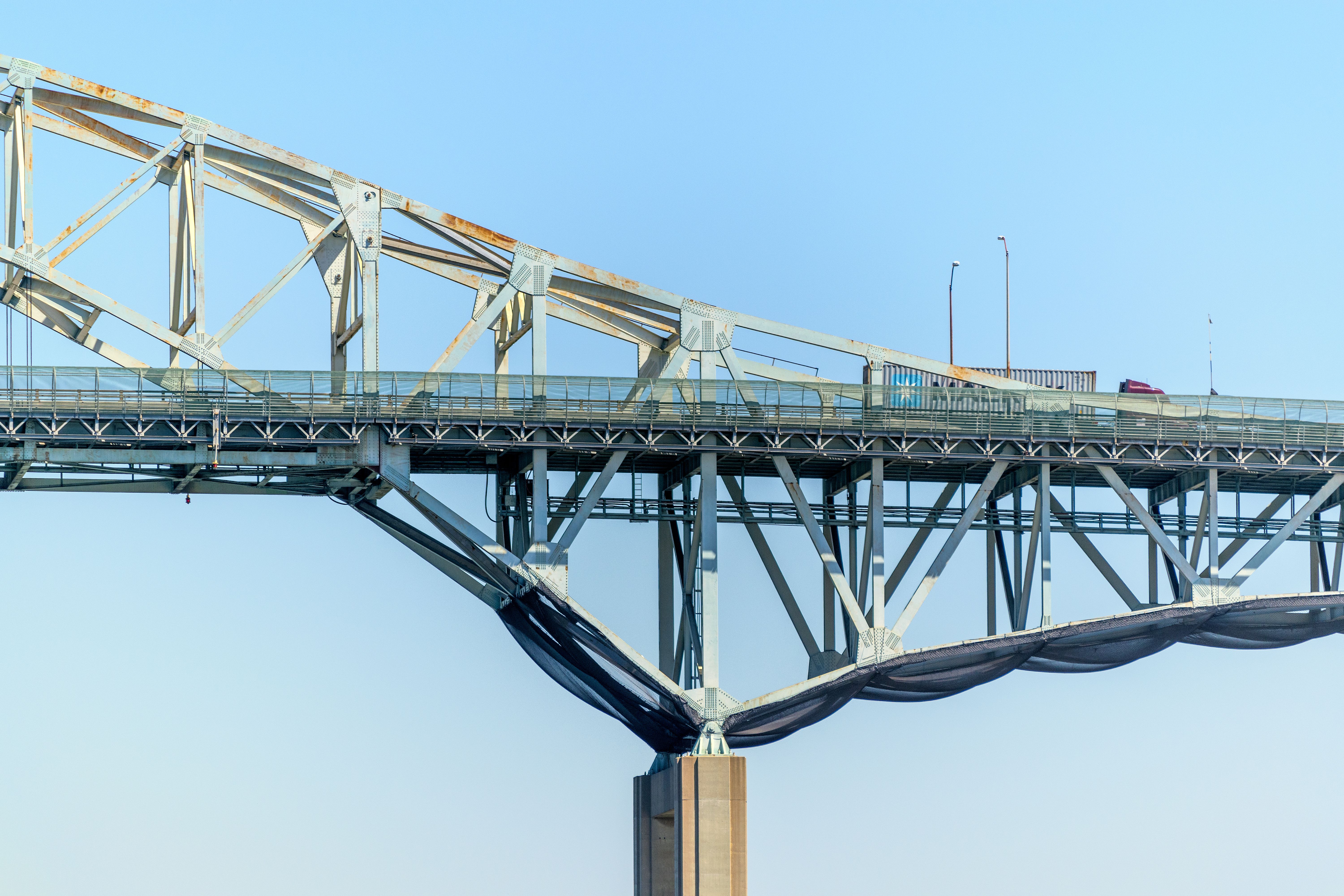
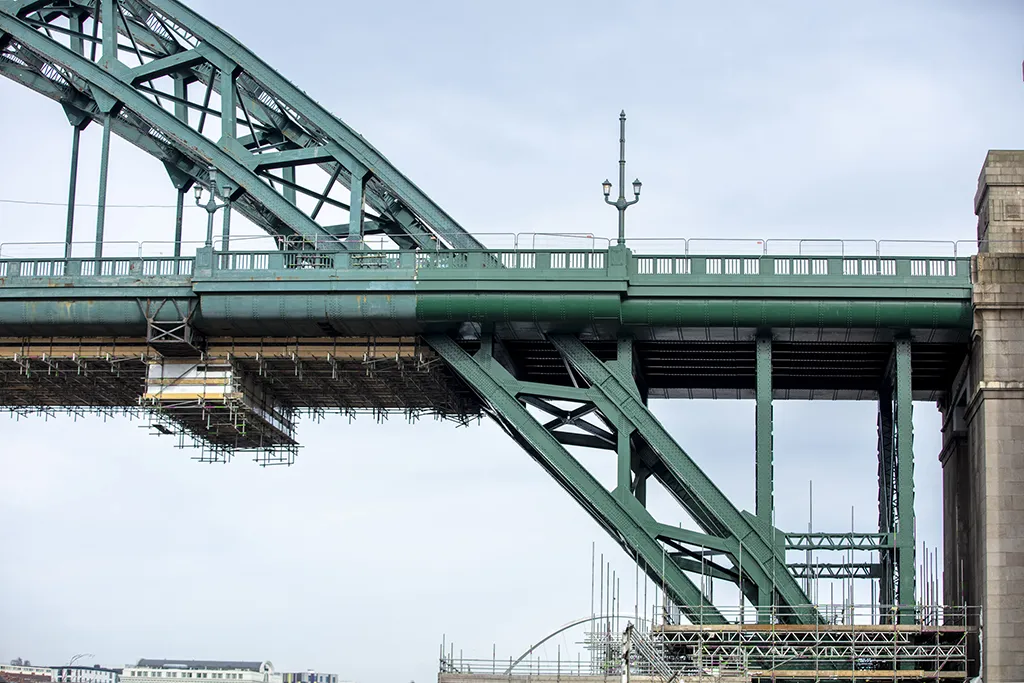
The bridge infrastructure sector is moving away from reactive repair schedules toward proactive structural health monitoring. Instead of waiting for visible damage, engineers are embedding sensor technology directly into new builds. This shift allows for continuous data collection on stress, vibration, and material integrity, turning static structures into responsive assets.
This transition is supported by a growing construction market. According to the American Road & Transportation Builders Association (ARTBA), the U.S. transportation construction market is projected to grow nearly three percent in 2026, reaching a record $209.1 billion. This capital injection is largely directed toward modernization rather than simple maintenance, accelerating the adoption of smart infrastructure.
New materials and sensor technology are the drivers of this change. Recent industry forums, such as the Society of Chemistry’s 2026 innovations event, highlight how these tools are reshaping design principles. Sensors now detect micro-fractures and corrosion before they become critical failures. By analyzing this data in real time, agencies can prioritize repairs based on actual structural need rather than arbitrary calendar intervals.
Verify safety before travel or investment
Bridge Infrastructure works best as a clear sequence: define the constraint, compare the realistic options, test the tradeoff, and choose the path with the fewest hidden costs. That order keeps the advice usable instead of decorative. After each step, pause long enough to check whether the recommendation still fits the reader's actual situation. If it depends on perfect timing, unusual access, or a best-case budget, include a simpler fallback.
The simplest way to use this section is to write down the real constraint first, compare each option against it, and choose the path that still works outside ideal conditions.
Common questions about bridge safety
Readers frequently ask about the current state of US bridges, upcoming 2026 trends, and the future of structural design. The answers below rely on official data from the American Society of Civil Engineers (ASCE) and industry reports.
No comments yet. Be the first to share your thoughts!