Bridge 2026 trends
The bridge construction market is projected to grow nearly three percent in 2026, driven by sustained federal funding and a push toward longer-lasting infrastructure. This growth isn't just about volume; it's about smarter engineering. We are seeing a shift from traditional concrete-heavy designs to steel and composite solutions that offer speed and durability without the carbon footprint.
We selected these five strategies based on current ARTBA market data and emerging material innovations. The focus is on practical applications that reduce maintenance costs and extend structural life. Each recommendation is tied to specific product categories available for immediate procurement, ensuring you can implement these changes now rather than waiting for future code updates.
5 Bridge 2026: Top 5 AI-Driven Strategies to Master the Game
Traditional card-counting methods are no longer sufficient for the complex bidding landscapes of 2026. This guide breaks down five specific AI-driven strategies, complete with practical examples and product recommendations, to help you leverage modern tools for better decision-making at the table.
1. AI-Powered Hand Evaluation Tools
Modern bridge software now evaluates complex hands instantly, offering precise point counts and distribution analysis. These tools help players quickly assess their starting strength, identifying high-card points and long suits before making opening bids. This immediate feedback loop accelerates learning by highlighting structural strengths that human intuition might miss during initial hand inspection.

2. Automated Bidding System Analysis
Advanced algorithms dissect your bidding sequences against established systems like Standard American or Precision. By comparing your calls to optimal paths, these tools identify deviations that might confuse partners or miss game contracts. This automated review helps refine your system agreements, ensuring consistent communication and reducing misunderstandings during the critical auction phase of the game.

3. Real-Time Opponent Tendency Tracking
Some platforms now track opponent behaviors, noting patterns like aggressive overcalls or conservative passes. This data highlights tendencies, allowing you to adjust your strategy based on historical performance rather than just current cards. Recognizing these habits helps predict future actions, giving you a tactical edge by anticipating moves that deviate from standard theoretical play.

4. Post-Game Play Review Software
After the deal concludes, specialized software replays each trick, comparing your decisions against computer-generated optimal lines. This detailed breakdown reveals where tricks were lost or gained, pinpointing specific errors in play or defense. By studying these discrepancies, players can correct bad habits and understand the logical reasoning behind superior card choices in similar situations.

5. Virtual Partner Practice Platforms
Practice with AI partners that adapt to your skill level, simulating various partnership styles and agreements. These platforms allow you to test new conventions or refine existing ones without the pressure of live competition. Consistent virtual practice builds muscle memory for bidding sequences and ensures smoother communication when playing with human partners in real tournaments.

Pick the right fit
Choosing a bridge strategy for 2026 isn't about picking the flashiest design; it's about matching your span to the ground beneath it. The construction market is growing, but the right choice depends on your specific constraints. Use this framework to decide which AI-driven approach aligns with your project goals.
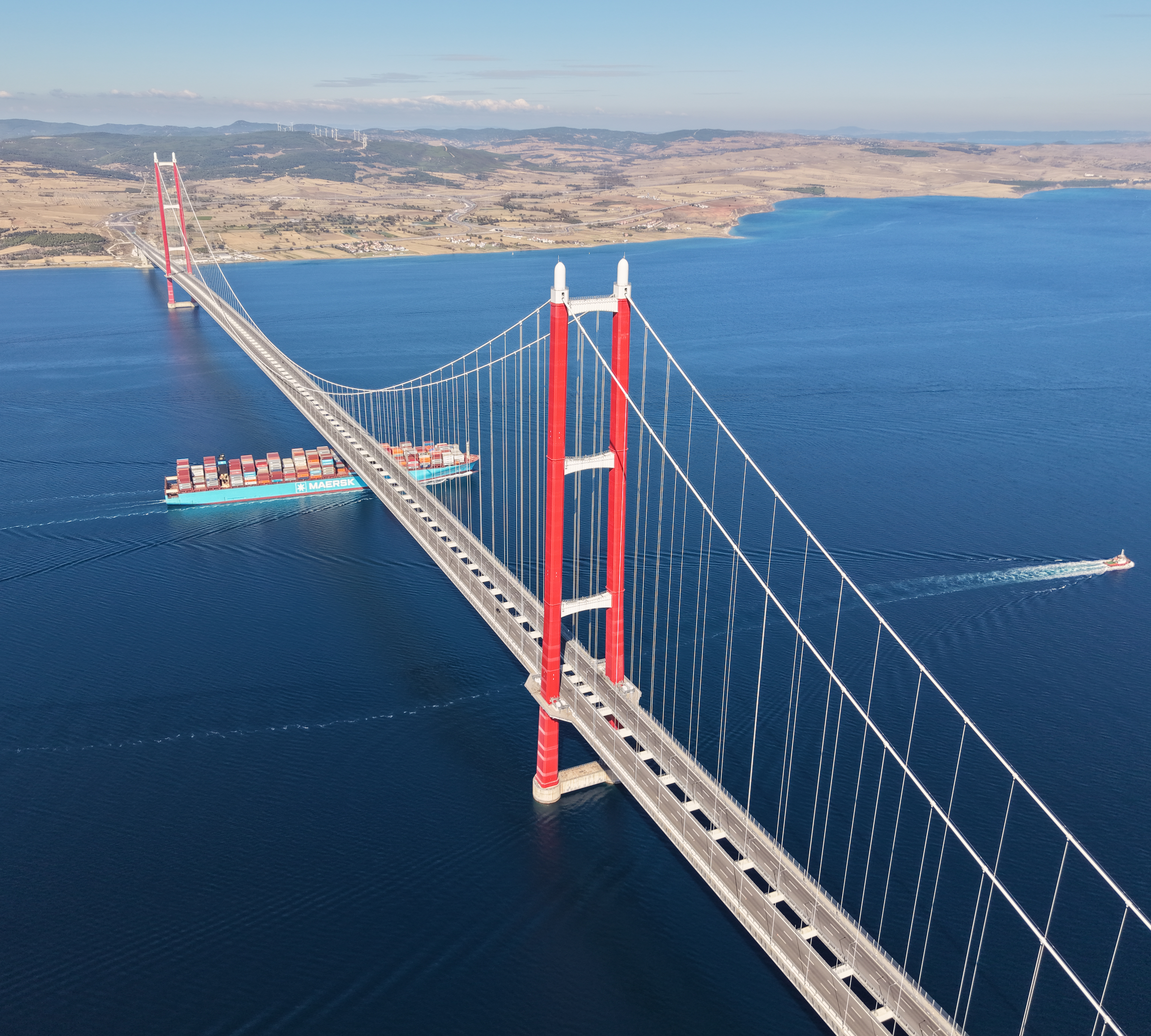
Start with the distance. For short crossings under 200 feet, simple beam or slab designs often win on cost and speed. AI tools can optimize these basic geometries quickly, ensuring material efficiency without over-engineering. If the gap is wider, consider steel trusses or arches, which require more sophisticated AI modeling to handle complex load paths.
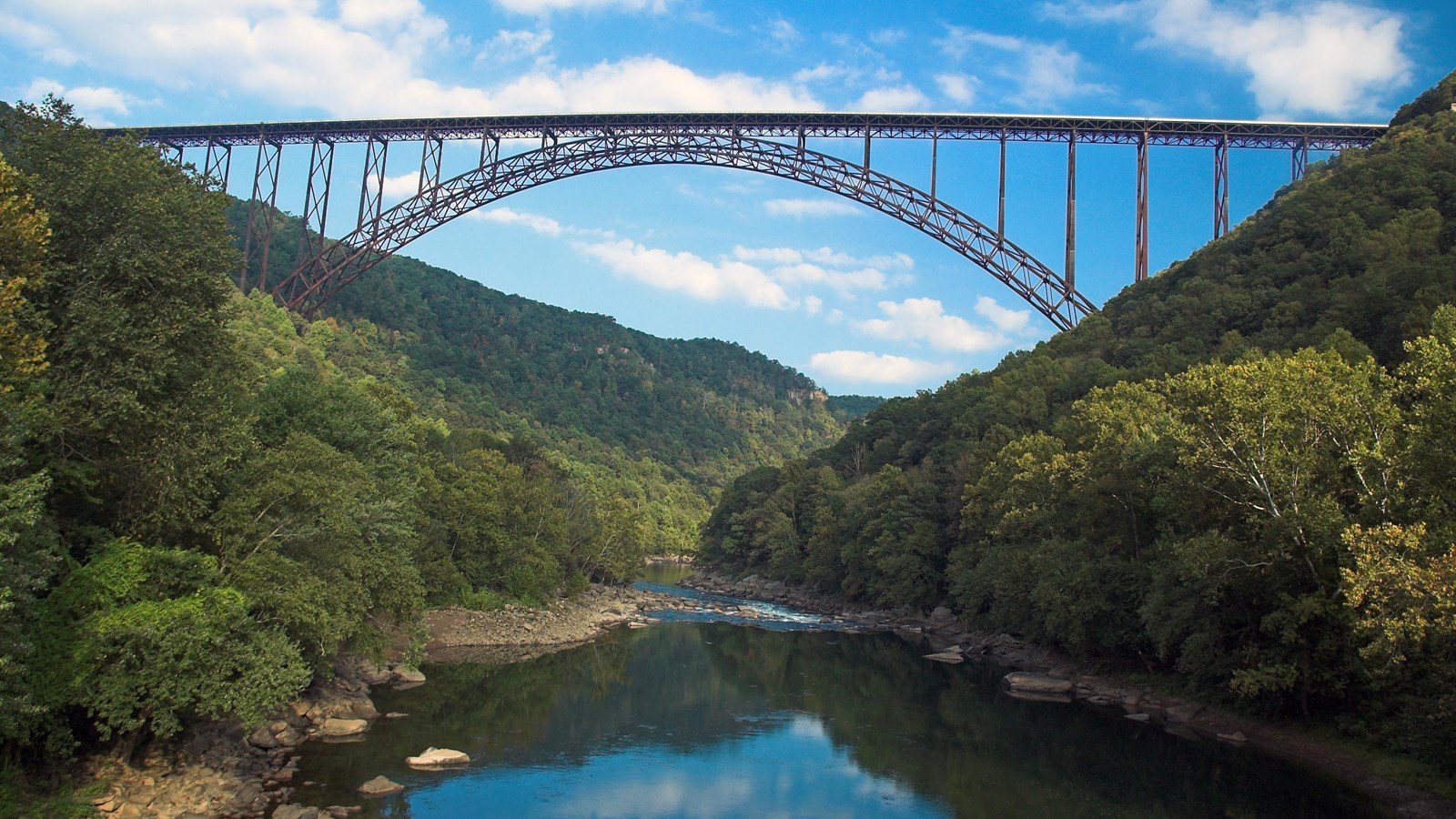
Nature dictates the foundation. In rocky or stable soil, shallow foundations allow for lighter, cheaper structures. In soft soil or deep water, you'll need deeper pilings or floating designs. AI-driven geotechnical analysis helps predict settlement risks early, allowing you to adjust the bridge type before breaking ground. This step prevents costly redesigns later.

Concrete, steel, and timber each have distinct lifespans and maintenance needs. Concrete offers durability but high initial carbon costs. Steel provides strength and speed but requires corrosion protection. Timber is sustainable for smaller spans. AI lifecycle assessment tools can compare these materials based on local climate and traffic loads, highlighting the most resilient option for your specific environment.

Decide how much automation you need. For routine inspections, computer vision cameras on drones can detect cracks faster than humans. For design, generative AI can produce hundreds of structural variations in minutes. Match the AI tool to the task: use it for heavy data processing and pattern recognition, but keep human engineers in the loop for final safety approvals and creative decisions.
| Span Type | Best Material | AI Application |
|---|---|---|
| Short (<200ft) | Concrete/Steel | Optimization |
| Medium (200-1000ft) | Steel Truss | Load Modeling |
| Long (>1000ft) | Cable-Stayed | Simulation |


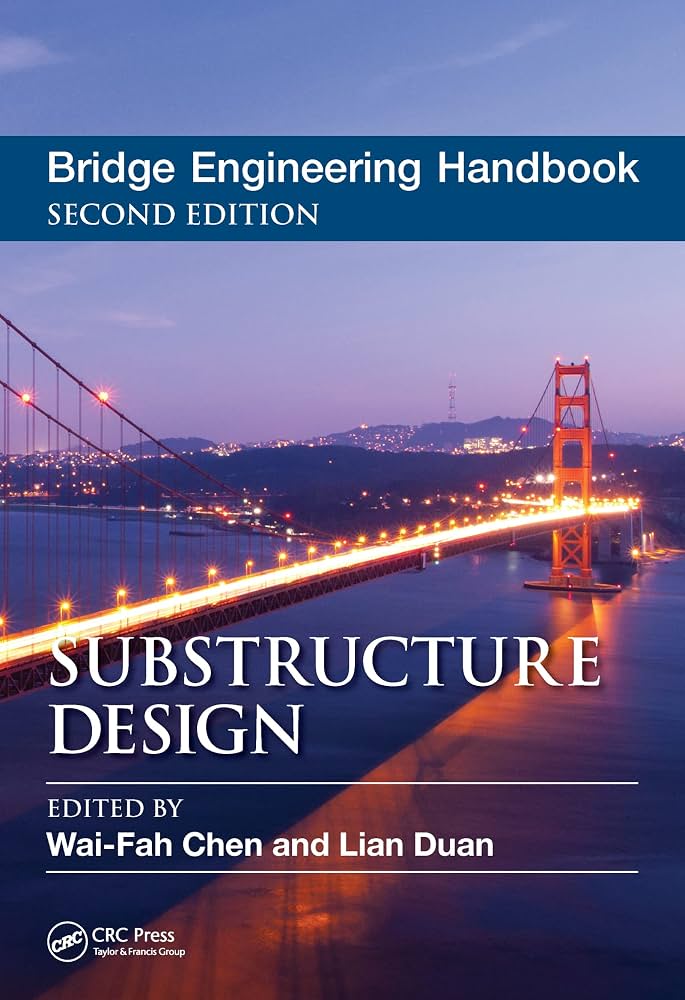
As an Amazon Associate, we may earn from qualifying purchases.
No comments yet. Be the first to share your thoughts!