
As Bitcoin hovers at $70,502.00 today, down 3.10% in the last 24 hours with a high of $73,514.00 and low of $70,449.00, the crypto market grapples with persistent shadows from cross-chain bridges. Lock-and-mint mechanisms, pivotal for shuttling Bitcoin across ecosystems, have bled $108 million in exploits this cycle alone. These aren't abstract threats; they're stark reminders that interoperability's gains come freighted with peril, especially for BTC holders eyeing DeFi yields on foreign chains.
Lock-and-mint bridges operate on a deceptively simple premise: users lock native tokens like BTC on the source chain, triggering the minting of wrapped equivalents on the destination. This unlocks liquidity pools, yield farms, and multi-chain strategies without outright token swaps. Yet, as we've seen in bitcoin bridging exploits 2026, the minting phase introduces friction points ripe for abuse. Relayers verify locks and authorize mints, but flaws in this relay can cascade into catastrophe.

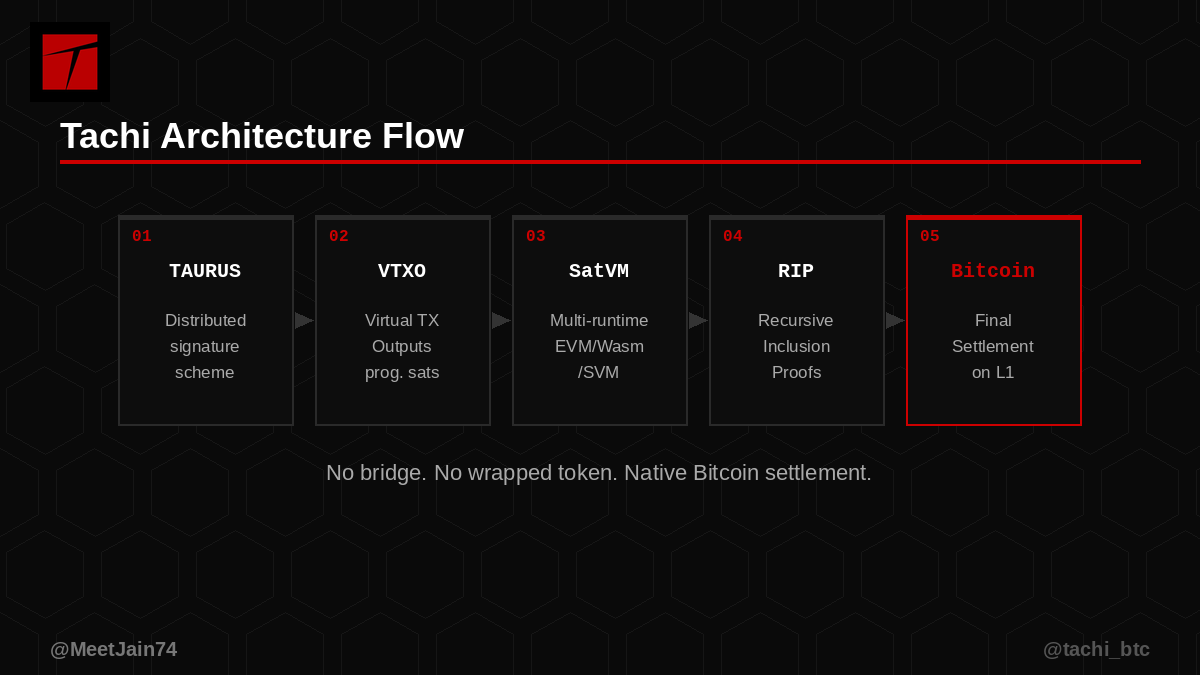
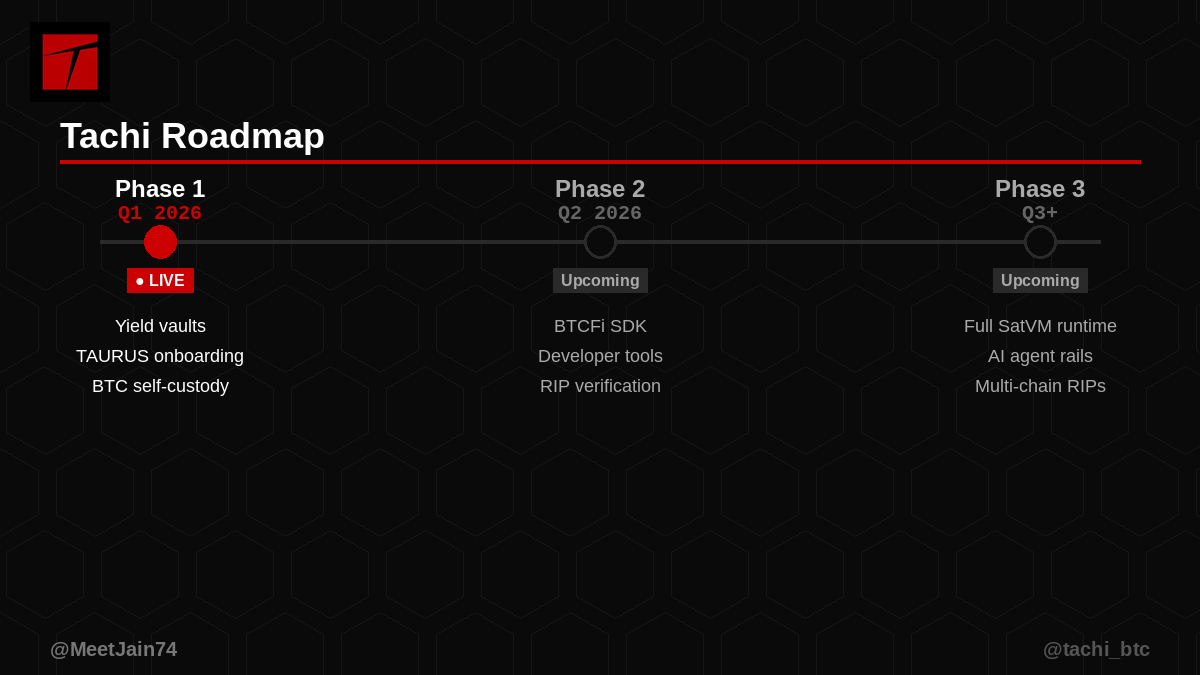
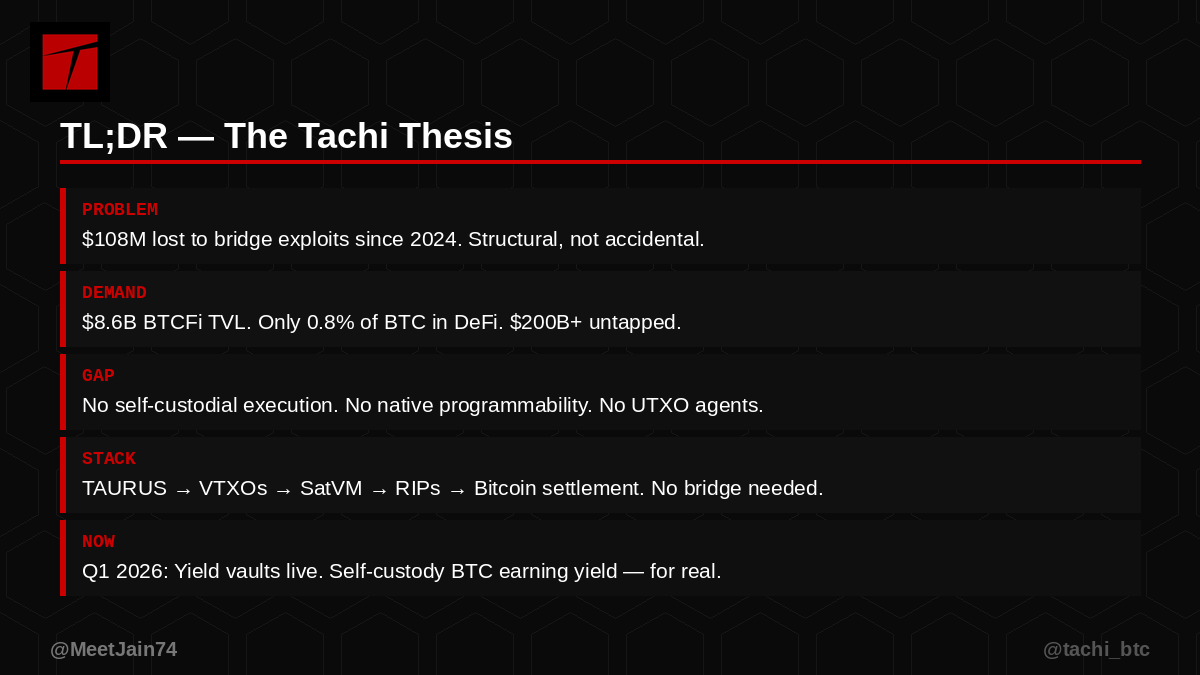
Why Lock-and-Mint Bridges Magnetize Attackers
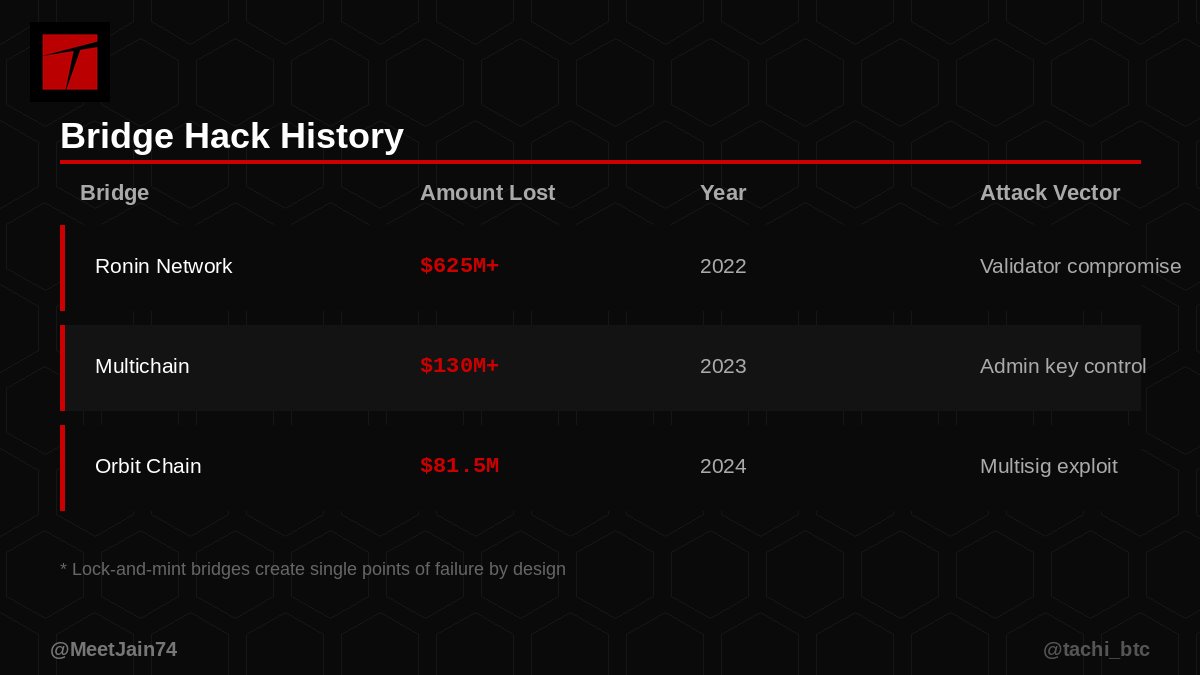
Cross-chain messaging vulnerabilities lurk in the architecture itself. Bridges must trust oracles or relayers to relay proofs accurately, but validator collusion risks undermine this. Imagine a scenario where colluding validators fabricate a lock event, minting unbacked BTC-wrapped tokens. Historical precedents abound: the Ronin Network breach in 2022 saw $615 million drained via compromised keys, while Binance Bridge's forged deposits minted 2 million BNB worth $566 million. Though not purely BTC, these echo the lock and mint bridge risks now targeting Bitcoin transfers.
In 2026, scanners reveal a surge in sophisticated plays. Attackers exploit weak cross-chain verification, where Merkle proofs or signatures falter under replay attacks. Double-spending rears its head too, as bridges struggle with finality discrepancies between chains. Data from Chainalysis pegs 2025 crypto theft at $3.4 billion, with bridges claiming a hefty share; earlier tallies hit $2.8 billion by mid-2024, 47% of all hacks. Bitcoin's climb to $70,502 amplifies stakes, turning each exploit into amplified devastation.
Bitcoin (BTC) Price Prediction 2027-2032
Forecasts accounting for lock-and-mint bridge vulnerabilities, security improvements, market cycles, and adoption trends amid 2026 risks
| Year | Minimum Price | Average Price | Maximum Price | YoY Change % (Avg) |
|---|---|---|---|---|
| 2027 | $60,000 | $100,000 | $150,000 | +42% |
| 2028 | $90,000 | $160,000 | $250,000 | +60% |
| 2029 | $110,000 | $200,000 | $300,000 | +25% |
| 2030 | $140,000 | $250,000 | $380,000 | +25% |
| 2031 | $170,000 | $310,000 | $460,000 | +24% |
| 2032 | $210,000 | $390,000 | $550,000 | +26% |
Price Prediction Summary
Bitcoin prices are forecasted to grow progressively from 2027-2032, starting from an average of $100,000 in 2027 to $390,000 by 2032. Minimums reflect bearish scenarios from potential bridge exploits or regulations, while maximums capture bullish halvings, adoption, and security enhancements reducing systemic risks from $70,500 baseline in 2026.
Key Factors Affecting Bitcoin Price
- Enhanced bridge security (audits, decentralized validators) mitigating $108M+ exploit risks
- 2028 Bitcoin halving boosting scarcity and prices
- Institutional adoption via ETFs and regulated products
- Regulatory clarity reducing uncertainty
- Macro trends positioning BTC as inflation hedge
- Layer-2 advancements expanding BTC utility
- Competition from altcoins and potential major hacks as downside risks
Disclaimer: Cryptocurrency price predictions are speculative and based on current market analysis. Actual prices may vary significantly due to market volatility, regulatory changes, and other factors. Always do your own research before making investment decisions.
Unpacking the $108M Bitcoin Exploit Toll
Bridge hack losses bitcoin enthusiasts track reached $108 million in lock-and-mint failures this year, per aggregated scanner intelligence. Take SmartBridge's $1.3 million relayer lapse: attackers replayed messages, minting extras before locks settled. IoTeX's bounty hunt underscored validator centralization woes, mirroring Ronin's validator key heist. These aren't isolated; prestolabs notes multiple failure vectors, from smart contract bugs to trusted third-party reliance.
ScienceDirect highlights double-spending in cross-blockchain setups, where bridges become chokepoints. Chainlink delineates seven core flaws: signature malleability, improper access controls, and oracle manipulations chief among them. For BTC, wrapping protocols amplify exposure; a minted wBTC flood dilutes trust, crashing pegs and triggering liquidations. As TVL swells despite $2.5 billion 2024 losses, per Sei Blog, security lags innovation.
Spotting Vulnerabilities Before They Strike
Our platform's risk scanners dissect these with precision. We probe relayer logic for replay protections, audit validator decentralization quotients, and simulate collusion vectors. Centralized vaults, as detailed here, invite $2.5 billion-scale breaches; distributed models fare better but demand rigorous math. Patience pays: projects with multi-auditor histories and on-chain monitoring weather storms intact.
Education tempers haste. Before bridging BTC at $70,502, query scanner dashboards for real-time flags. Emerging threats like flash loan-aided verifications demand adaptive tools. Investors, I've analyzed 11 years of cycles; sustainable growth favors the vigilant, not the reckless chasers.
Real-time monitoring forms the bedrock of defense. Platforms like ours deploy algorithms that flag anomalies in cross-chain messages, from irregular mint volumes to suspicious validator signatures. In a market where Bitcoin lingers at $70,502.00, even minor discrepancies can signal brewing storms worth millions.
Top 5 Lock-and-Mint Bridge Vulnerabilities
| Vulnerability | Example | Impact | Scanner Detection Method |
|---|---|---|---|
| Validator Key Compromise | Ronin Network (March 2022) | $615M in ETH and USDC stolen via compromised keys | Anomaly detection on validator signatures; monitor key distributions; enforce decentralized sets |
| Forged Proof-of-Deposit | Binance Bridge (October 2022) | $566M in 2M BNB tokens minted illicitly | Merkle proof validation; nonce-based replay protection; cross-chain event replay checks |
| Relayer Manipulation | SmartBridge cross-chain bridge | $1.3M stolen through relayer vulnerability | Multi-relayer consensus; timeout mechanisms; slashing for malicious relayers |
| Signature Replay Attacks | Common in bridges (e.g., early designs) | Double-spending and unauthorized mints (part of $2.5B 2024 losses) | Chain-specific nonces; timestamp validation; signature uniqueness checks |
| Weak Cross-Chain Verification | General (e.g., contributing to $3.2B total bridge hacks) | Asset duplication across chains | Formal verification tools; fuzz testing of verification logic; simulation scanners |
Historical Timeline of Bitcoin-Relevant Bridge Catastrophes
Tracing exploits reveals patterns worth heeding. Ronin's 2022 validator compromise kickstarted a grim ledger, followed by Binance Bridge's proof forgery. Fast-forward to 2026: SmartBridge's relayer replay siphoned $1.3 million, underscoring persistent cross-chain messaging vulnerabilities. IoTeX's vulnerability bounty highlighted centralization pitfalls, while aggregate losses climbed toward that $108 million Bitcoin toll. Each incident layers lessons on validator collusion risks, urging diversified staking and proof-of-stake enhancements.
These breaches aren't relics; they forecast 2026 perils. As DeFi TVL balloons, lock-and-mint protocols strain under volume, exposing fresh seams like asynchronous finality gaps between Bitcoin's proof-of-work and Ethereum's proof-of-stake. Attackers now chain flash loans with oracle delays, minting phantom BTC before locks confirm. Scanners counter by modeling these sequences, scoring protocols on resilience metrics from 1-100.
Your 2026 Checklist for Bridge-Safe Bitcoin Moves
Diligence starts with basics, scaled for sophistication. Before locking BTC at its current $70,502.00 perch, cross-reference multiple auditors' reports. Favor bridges with at least 10 decentralized validators, on-chain pause mechanisms, and insurance funds covering 10% and of TVL. I've sifted through cycles where haste cost fortunes; protocols passing these hurdles, like those with zero-knowledge light clients, endure.
Beyond checks, integrate scanners into workflows. Our tools simulate exploits via formal verification, pinpointing lock and mint bridge risks before deployment. For instance, they dissect relayer quorum logic, ensuring no single failure mints unbacked assets. Pair this with economic incentives: bug bounties exceeding $500K, as in IoTeX's case, sharpen developer focus.
Charting Safer Horizons in Cross-Chain Bitcoin
Optimism tempers realism. While $108 million in bridge hack losses bitcoin stings, 2025's suppressed thefts signal progress: Chainalysis notes DeFi security maturing amid rising TVL. Lock-and-mint evolves too, with intents-based bridges slashing trusted components and layer-2 aggregators distributing load. Bitcoin's Ordinals and Runes boom demands robust interoperability; scanners will evolve to audit these primitives.
Yet, inherent tensions persist. Bridges bridge worlds, but worlds clash in timing and incentives. Prestolabs rightly flags multi-point failures; no silver bullet exists. My decade-plus vantage affirms: allocate judiciously, never exceed 5% portfolio per bridge, and lean on data-driven platforms. As Bitcoin navigates its 24-hour dip to $70,502.00 from $73,514.00 highs, vigilance unlocks interoperability's promise without the peril.
Equip yourself with scanner insights today. In cross-chain's frontier, knowledge isn't optional; it's the edge separating survivors from statistics.




No comments yet. Be the first to share your thoughts!