
In 2025, the landscape of blockchain interoperability is being fundamentally reshaped by a new paradigm: native interoperability. Unlike legacy bridge architectures, which rely on external validators or wrapped assets, native interoperability protocols enable direct, trustless communication between heterogeneous blockchains. This shift is catalyzing a major leap forward in cross-chain security, addressing vulnerabilities that have plagued DeFi for years.
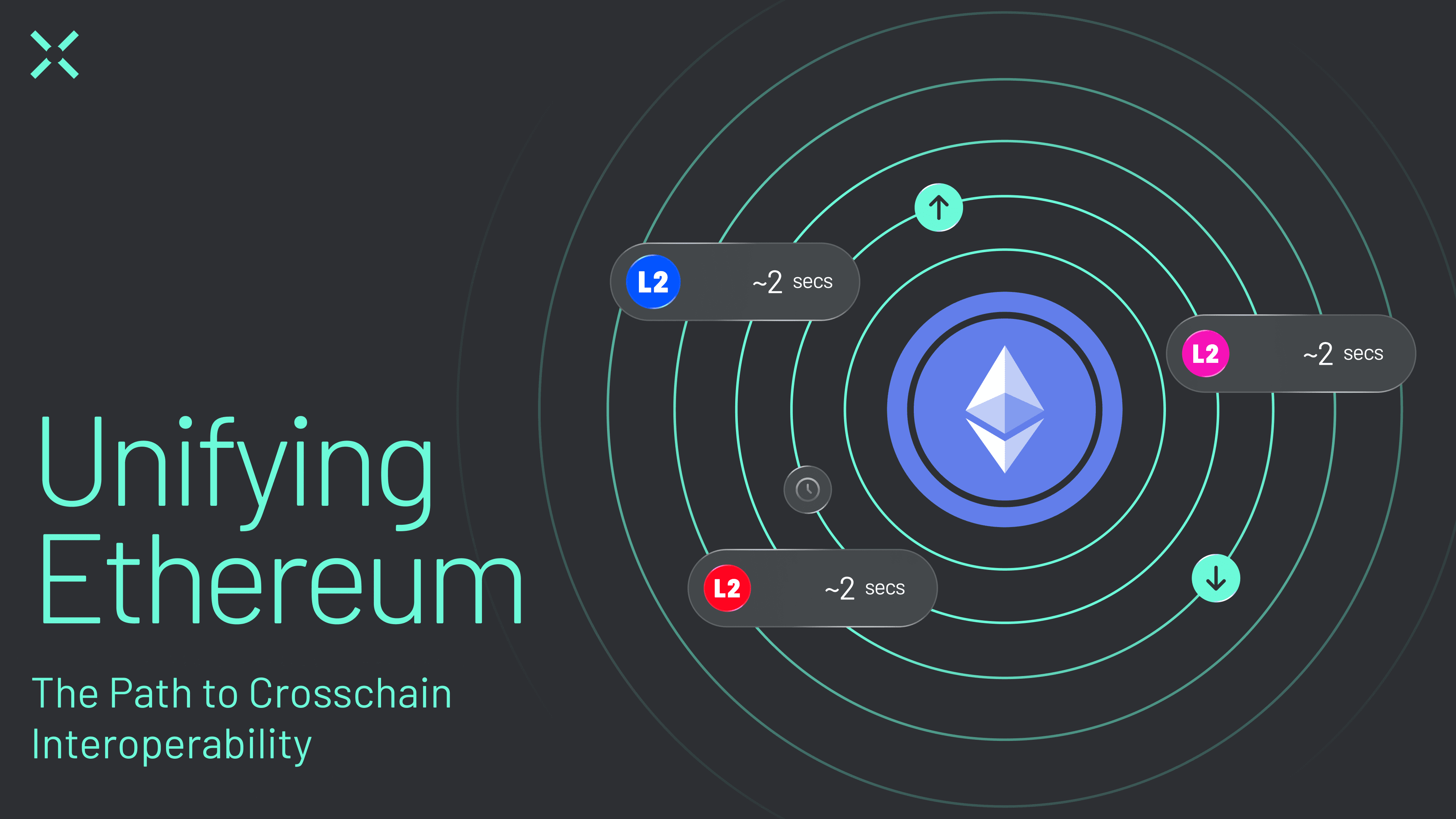
Native Interoperability: The New Standard for Cross-Chain Security
The limitations of traditional cross-chain solutions are well-documented. Centralized bridges and custodial wrappers introduced single points of failure, making them attractive targets for exploits and rug pulls. In contrast, native interoperability protocols like Cosmos IBC and Polkadot XCM were designed from the ground up to minimize trust assumptions through cryptographic verification and decentralized validation.
Recent advancements underscore this trend:
- Ika's Mainnet Launch (July 2025): Leveraging zero-trust multiparty computation (MPC) on Sui, Ika lets smart contracts natively control assets across chains such as Bitcoin and Ethereum. By removing the need for bridges or token wrapping, Ika sharply reduces attack surfaces.
- Hyperbridge Expansion (September 2025): As a cryptoeconomic co-processor on Polkadot, Hyperbridge’s integration with Polygon mainnet enables secure token transfers and messaging between major chains, without central intermediaries.
- Union Protocol’s Zero-Knowledge Infrastructure: Set for mainnet in Q3 2025, Union eliminates reliance on third-party validators by using ZK-proofs to facilitate direct cross-chain communication between leading networks.
Security Enhancements Driven by Native Interop Protocols
The transition to native interoperability brings tangible security improvements:
- No Single Point of Failure: By avoiding centralized or semi-centralized validators and oracles, these protocols substantially reduce the risk of catastrophic exploits seen in previous bridge hacks.
- Zero-Trust Architectures: Systems like Ika and Union Protocol implement zero-trust models where no single party can compromise transaction integrity. This approach aligns with best practices in both cybersecurity and decentralized finance.
- Advanced Cryptography: The adoption of zero-knowledge proofs (ZKPs) and multiparty computation ensures that sensitive data remains private while guaranteeing correctness of state transitions across chains.
Market Impact: Driving Adoption and Innovation in DeFi
The implications are broad-reaching. Enhanced security mechanisms foster greater confidence among institutional investors and retail users alike. As trust-minimized solutions become mainstream, we’re seeing:
- Sustained Growth in Total Value Locked (TVL): Secure cross-chain infrastructure encourages higher capital inflows into DeFi protocols operating across multiple ecosystems.
- Boom in Cross-Chain dApps: Developers are rapidly adopting these technologies to build complex financial primitives that leverage liquidity from disparate blockchains without compromising on safety or decentralization.
- Diversification of Risk Models: With robust risk analysis tools now available for native interop solutions, stakeholders can make more informed decisions about protocol exposure and capital allocation.
Native interoperability is also changing the calculus for cross-chain messaging risk analysis. Where once DeFi users and developers had to scrutinize validator sets, bridge contracts, and wrapped asset solvency, the focus is shifting toward protocol-level cryptographic guarantees and formal verification. This transition is not just theoretical: several high-profile audits in 2025 have validated the security claims of new zero-trust protocols, confirming that decentralized validation and on-chain proof security are more than marketing buzzwords.
Cosmos IBC continues to stand out for its rigorous approach to light-client verification and packet acknowledgment, offering a model for trust-minimized blockchain bridges. Similarly, Polkadot’s XCM has matured into a robust language for secure cross-chain execution, with recent upgrades hardening its resistance to replay attacks and message spoofing. These frameworks are setting benchmarks for the next generation of interoperable DeFi infrastructure.
As native interoperability becomes the new norm, we’re observing a notable reduction in successful cross-chain exploits. Attack vectors that once plagued multi-sig bridges and external oracle networks are being closed off by design. This doesn’t eliminate all risk, protocol bugs and misconfigurations remain, but it does reallocate security responsibility from opaque multisigs to transparent, auditable protocol logic.
Key Takeaways for Security Researchers and DeFi Builders
The rapid adoption of native interoperability protocols in 2025 offers actionable insights for stakeholders:
- Security researchers should prioritize code reviews and formal audits of protocol-level logic over legacy bridge validators or custodial wrappers.
- Developers can leverage emerging standards like IBC and XCM as foundational layers, reducing their exposure to bespoke bridge vulnerabilities.
- Risk analysts now have access to richer on-chain data streams for real-time monitoring of cross-chain flows, enabling more dynamic threat modeling and response strategies.
This paradigm shift is also influencing regulatory perspectives. As native interoperability reduces reliance on centralized operators, compliance frameworks are evolving to recognize protocol-driven security assurances rather than human-controlled custodianship. The net effect: more resilient DeFi ecosystems with lower systemic risk profiles.
The upshot is clear: by embedding trust-minimized mechanisms at the protocol layer, native interoperability solutions are redefining what’s possible for secure blockchain connectivity. The future of cross-chain DeFi will be built on these foundations, not just because they enable asset mobility across ecosystems, but because they do so with quantifiable improvements in safety, transparency, and operational robustness.




No comments yet. Be the first to share your thoughts!