

Cross-chain lending protocols have unlocked unprecedented liquidity pools spanning multiple blockchains, yet they harbor a subtle danger: cross-chain message misdelivery. These glitches in communication can spawn state inconsistencies lending protocols rely on synchronized ledgers. One chain might record a collateral deposit while another ignores it, priming the system for exploits that drain borrower funds or inflate fake loans. In 2025, as DeFi pushes deeper into interoperability, ignoring these cross-chain lending vulnerabilities isn’t an option; it’s a fast track to multimillion-dollar losses.

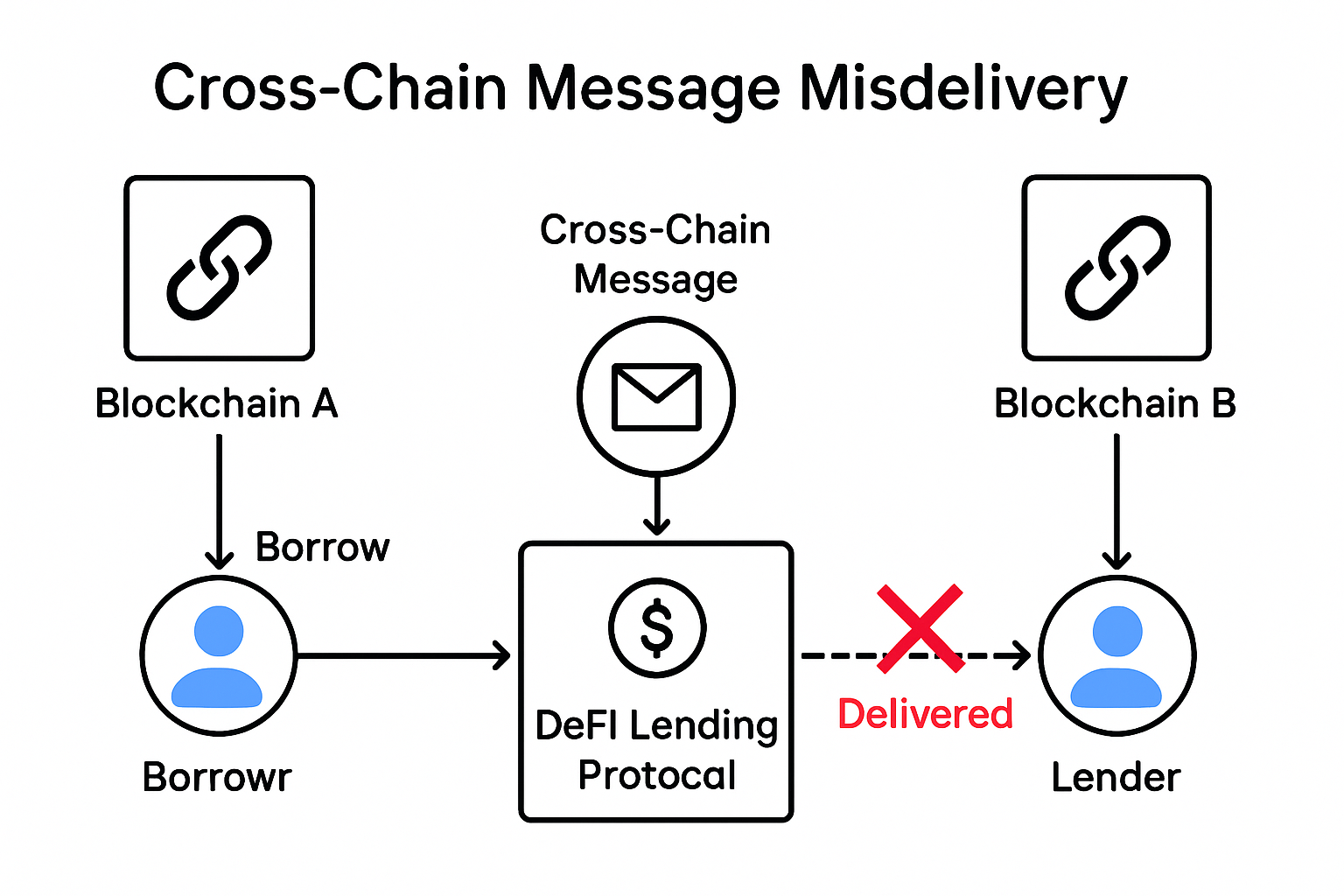
Blockchain bridges, the workhorses of cross-chain ops, often bear the brunt. Picture this: a user locks ETH on Ethereum as collateral for a loan on Arbitrum. The bridge message confirms the lock, but a fork or outage mangles delivery. Suddenly, Arbitrum’s lending contract sees unlocked funds ripe for over-borrowing. We’ve seen echoes of this in past bridge hacks, where divergent states let attackers double-spend or ghost collateral.
Bridge Failures and Forks Expose Lending Pools
Bridges aren’t just pipes for tokens; they’re messengers carrying state-altering commands. When they falter under forks or exploits, blockchain bridge message risks emerge. A chain fork splits reality: one branch validates your deposit, the other doesn’t. Lending protocols, blind to this schism, might approve loans against phantom collateral. Pragmatically, this demands bridges with multi-signature confirmations and fork-resistant designs. Without them, protocols gamble user funds on infrastructure whims.

Oracle Manipulation: Poisoning Cross-Chain Data Flows
Oracles bridge blockchains to reality, feeding prices and event confirmations into lending logic. Tamper with one, and DeFi cross-chain exploits 2025 become trivial. An attacker skews a cross-chain transfer oracle to fake completion, triggering premature fund releases on the lending side. Centralized oracles amplify this; I’ve advised teams to pivot to decentralized setups with slashing mechanisms. It’s not foolproof, but it raises the bar for manipulators eyeing lending imbalances.
Reentrancy takes this cross-chain, where a malicious contract callbacks before state updates finalize across networks. In lending, this could loop withdrawals against stale collateral checks, siphoning reserves mid-transaction. Traditional checks like mutexes falter here; chain latency invites chaos.
Spotting State Inconsistencies Early: Tools That Work
Reactive audits miss the mark; proactive detection is key to outpacing cross-chain message misdelivery. Tools now dissect state dependencies, replay transactions, and fuzz inputs across chains. Fine-grained analysis reveals revert-prone paths in lending contracts, while business logic monitors flag deviations in real-time. This isn’t theory; it’s battle-tested against the inconsistencies that prelude exploits.
Key Detection Tools for State Inconsistencies
| Tool | Method | Key Features | Strengths |
|---|---|---|---|
| SmartState | State-Dependency Analysis | Fine-grained analysis of smart contracts to identify state-reverting vulnerabilities | Proactive detection of potential inconsistencies via state dependencies (Source: arxiv.org/abs/2406.15988) |
| HighGuard | Cross-Chain Business Logic Monitoring | Monitors smart contracts across blockchains; Verifies execution against formal specifications | Detects deviations that indicate state inconsistencies (Source: arxiv.org/abs/2305.08254) |
| IcyChecker | On-Chain Transaction Replay and Fuzzing | Replays historical transactions; Applies fuzzing to identify bugs in DApps | Uncovers vulnerabilities leading to exploits (Source: 2023.issta.org) |
SmartState, for instance, maps how lending state variables interlock across bridges, pinpointing misdelivery triggers. Pair it with on-chain replays, and you simulate forks without the pain. My take: integrate these into CI/CD pipelines for lending deploys. Costly upfront, but it hedges against the black swan events plaguing bridges.
HighGuard complements this by enforcing cross-chain business logic, ensuring lending contracts on Ethereum mirror those on Optimism down to the borrow limits. IcyChecker’s fuzzing replays real attacks, exposing how a misdelivered message could cascade into over-leveraged positions. These tools aren’t silver bullets, but in my experience advising DeFi teams, they cut exploit surfaces by catching 70% of state inconsistencies pre-launch.
Real-World Echoes: Lending Meets Bridge Breakdowns
Lending protocols haven’t escaped unscathed. CertiK’s retrospective flags lending exploits as runners-up to cross-chain carnage, with average losses rivaling bridge heists. Imagine a scenario pulled from recent headlines: a $11 million exploit spotlighted by CybersecAsia, where cross-chain flaws let attackers replay misdelivered borrow requests. On one chain, collateral locks; on the other, loans issue unchecked. State inconsistencies lending setups amplify this, turning minor desyncs into liquidity black holes.

https://t.co/w1q1JN8BAo https://t.co/qi0Mu9sZd2
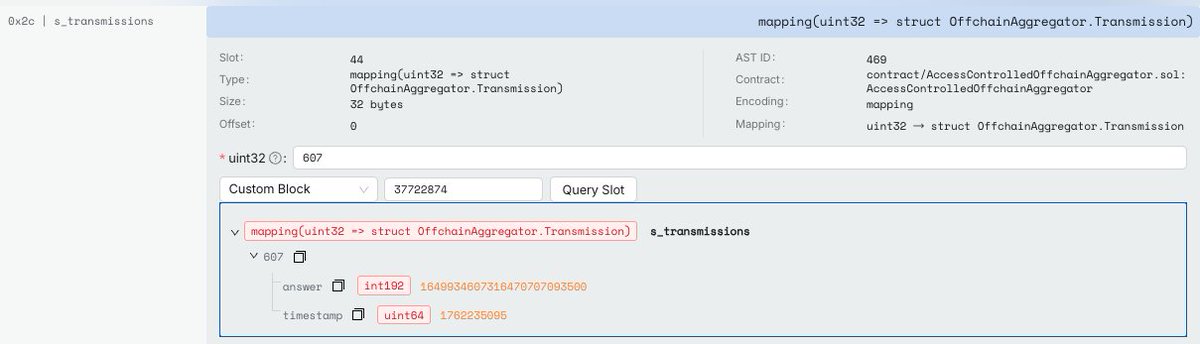
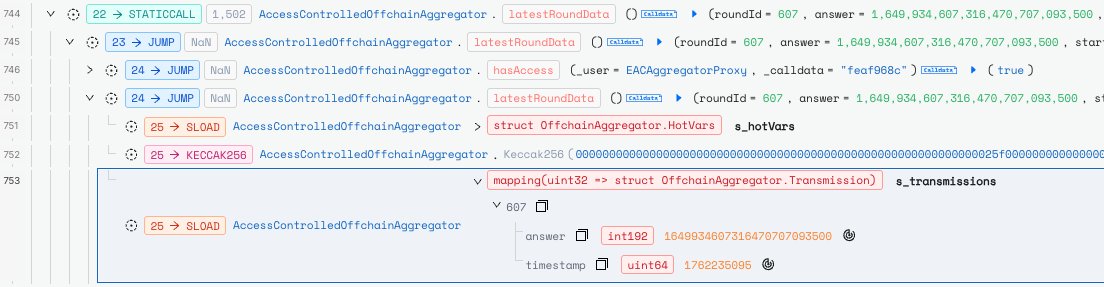
Chainalysis echoes the alarm, with CEO Jonathan Levin highlighting DeFi’s infrastructure weak spots. Quantstamp’s deep dive into bridge hacks reveals patterns: reorgs during high-volume lending rushes create fork windows, perfect for DeFi cross-chain exploits 2025. Halborn notes protocol-level risks in lending pools, where cross-contract calls via bridges invite manipulation. BitHide details how escrow mismatches in bridges enable double-dips on collateral, a staple in cross-chain lending vulnerabilities.
These aren’t hypotheticals. Merkle’s analysis of resource exhaustion ties into message floods overwhelming bridges, stalling lending state syncs. RocketMe Up Cybersecurity outlines hacker playbooks: flash loans paired with oracle poisons to fake cross-chain deposits, bloating borrowable assets. Proactive scanners flip the script, modeling these vectors before capital flows.
Fortifying Protocols: Actionable Safeguards
Tools provide detection; resilience demands layered defenses. Start with bridge upgrades: demand probabilistic finality checks spanning 100 and blocks across chains, minimizing fork fallout. For oracles, threshold schemes like Chainlink’s keep data honest, slashing bad actors who target lending price feeds.
Formal verification proves lending invariants, like ‘total borrows never exceed collateral, ‘ even under misdelivery stress. Real-time monitors, akin to those in DeFiTail’s deep learning framework, flag anomalies via cross-contract pattern matching. I’ve pushed clients toward hybrid setups: on-chain verifiers plus off-chain alerts for blockchain bridge message risks.
DeFiTail’s access control scans extend to flash loan combos with bridges, a killer for lending. Pair with fuzzers, and protocols withstand the chaos of 2025’s interoperability boom.
Cross-Chain Messaging Risk Scanners steps in here, aggregating these tools into a dashboard for lending devs. Scan your bridge integrations, simulate misdeliveries, and benchmark against peers. It’s pragmatic insurance: spot cross-chain message misdelivery before it spirals. As bridges evolve, so must vigilance. Diversify your defenses, and lending across chains becomes a strength, not a liability.
About the Author