

Cross-chain bridges have unlocked unprecedented liquidity flows across blockchains, yet their multisig configurations remain a persistent weak link. In 2025, as total value locked surges past previous highs, multisig cross-chain bridge risks demand scrutiny. These setups promise distributed control through multiple signatures, but flawed implementations invite catastrophe, from validator compromises to signature forgeries. Recent analyses reveal how centralization and operational lapses turn safeguards into liabilities.

Centralized Validator Sets Undermine Bridge Integrity
Most bridges lean on a handful of validators for multisig approvals, creating ripe targets for collusion or breaches. A majority compromise unlocks the vault; phishing campaigns or insider threats suffice. This blockchain bridge multisig failures pattern echoes in exploits where small cabals controlled billions. Decentralization feels aspirational, but reality favors trusted operators, amplifying trusted operator exploits 2025.
Common Multisig Vulnerabilities in Cross-Chain Bridges
| Vulnerability | Associated Risk | Real-World Example |
|---|---|---|
| Centralized Validator Sets | Collusion (e.g., majority compromise via phishing or insider threats) | Ronin Bridge (validators compromised, detected by XChainWatcher) |
| Key Management Flaws | Theft (e.g., stolen private keys from insecure storage) | Various bridges (poor HSM usage and access controls) |
| Insufficient Signature Verification | Forgery (e.g., invalid signatures accepted) | Wormhole (enabled unauthorized token minting) |
Reliance on fixed validator groups ignores dynamic threats. Larger, permissionless sets could dilute power, yet adoption lags due to coordination hurdles.

⚠️ Case Study: In 2022, hackers compromised 5 out of 9 validator private keys on https://t.co/baIv6gaPBG

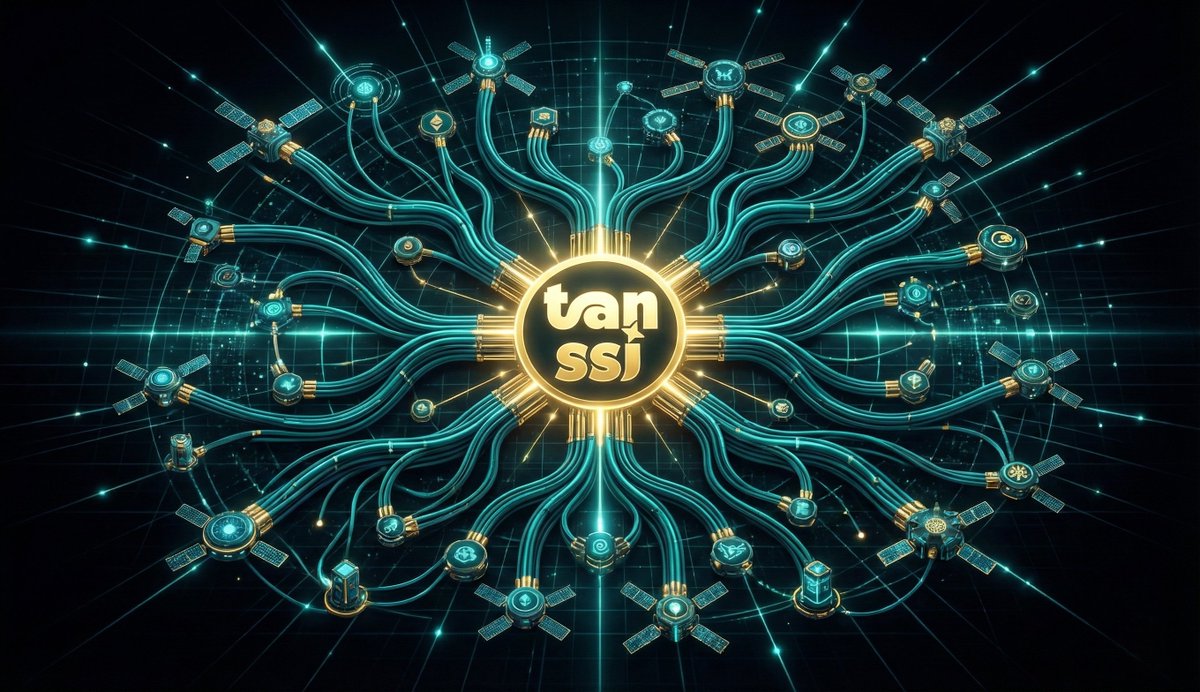
Tanssi employs a smart approach by separating duties:
• LayerZero as the Courier (Routing): LayerZero has a vast network reaching EVM chains https://t.co/N1fFJxmKbI

The Tanssi Roadmap lists: “ETH Registered as a Native Asset.”
• This means ETH flows into Tanssi Appchains as https://t.co/ttvQgz4lDu

With Snowbridge V2, Tanssi’s interoperability security scales linearly with Ethereum’s security. It doesn’t https://t.co/WxtvraqRc2
Key Management: The Overlooked Operational Chokepoint
Even robust contracts falter if keys leak. Hot wallets on vulnerable servers, absent HSMs, or lax recoveries expose bridges to non-technical theft. Attackers bypass code entirely, signing legitimate drains. Trust assumptions here breed opacity, where one stolen key cascades into systemic failure.
Pragmatically, rotate keys frequently, segment roles, and audit ops alongside code. Yet many protocols skimp, prioritizing speed over fortitude.
Signature Verification Gaps Enable Forged Cross-Chain Claims
Cryptographic checks must be ironclad, but bugs allow fake proofs. Wormhole’s 2022 breach minted $320 million via flawed verification, a blueprint for cross-chain messaging vulnerabilities. Attackers replay or alter signatures, bridging phantom assets. In 2025, quantum-resistant schemes loom, but basic ECDSA lapses persist.
These flaws compound in heterogeneous chains, where mismatched libraries invite errors. Rigorous fuzzing uncovers them, yet audits often gloss over edge cases.
2025 Scanning Techniques to Outpace Evolving Threats
Static analysis falls short; dynamic tools now dissect multisig flows. BridgeShield models bridges as heterogeneous graphs, flagging attack paths with 92.58% F1 precision. ConneX pairs opaque transactions via LLMs, hitting 97.46% accuracy. XChainWatcher datalogs real-time anomalies, nailing Ronin and Nomad hits early.
Integrate these into CI/CD pipelines for proactive defense. Platforms like Cross-Chain Messaging Risk Scanners embed them, empowering devs to sidestep pitfalls before deployment.
LayerZero and Axelar showcase variance: oracle-multisig hybrids versus pure validators. Neither immune, but scanned rigorously, they endure. Opinion: Prioritize opacity-busting monitors; bridges thrive on transparency, not blind faith.
Real exploits underscore these frailties. Ronin’s 2022 $625 million drain stemmed from a compromised multisig wallet among nine validators; social engineering snared five keys, bypassing all code checks. Nomad suffered similarly, its configurable relayers allowing forged messages due to lax verification. These blockchain bridge multisig failures tally over $2 billion lost since 2021, per recent SoK reviews. Attackers favor operational shortcuts over zero-days.
Layered Defenses: Beyond Multisig to Hybrid Resilience
Multisig alone crumbles; pair it with MPC thresholds or optimistic verification. Axelar’s gateway model distributes keys cosmically, yet still demands vigilant scanning. LayerZero’s oracle-relayer duo mitigates single failures, but off-chain entropy lingers. Pragmatists blend them: multisig for high-value locks, zero-knowledge proofs for routine transfers. Scanners like BridgeShield graph-mine these hybrids, exposing latent paths.
Devs overlook off-chain relayers, where most breaches brew. Automated tools now probe them, simulating collusion via game theory models. F1 scores above 90% signal maturity; ignore at peril.
Hands-On Risk Scanning in Practice
Deploy XChainWatcher via Datalog queries across EVM and Cosmos. It flags anomalous signature clusters, like Ronin’s validator spike. ConneX demystifies pairings: feed LLM-pruned txs into examiners, validate values instantly. For 2025, integrate with Slither or Mythril forks tuned for bridges; catch malleability pre-mainnet.
Opinion: Bridges mimicking banks’ dual controls outperform purists. Central banks rotate signers quarterly; why not protocols? Bridge hack scanning tools evolve from novelties to mandates, slashing TVL flight risks.
Multisig shines in theory, falters in human hands. Scan relentlessly; trust yields to verification.
Protocol Showdown: Which Multisig Holds Up?
Multisig Setups Comparison in Cross-Chain Bridges
| Bridge | Multisig Setup | Key Vulnerability | Risk Score (/10) | 2025 Status |
|---|---|---|---|---|
| Ronin | 9-of-9 centralized | Centralized validator sets (compromised via social engineering) | 9 | Hacked ($625M loss); upgraded with real-time monitoring (e.g., XChainWatcher) |
| Wormhole | 19 guardians | Insufficient signature verification | 8 | Exploited ($320M); verification fixed, BridgeShield enhanced detection |
| Axelar | Cosmological MPC | Minimal (decentralized MPC) | 3 | Resilient; robust key management and audits ongoing |
| LayerZero | Oracle-multisig | Oracle dependency (monitored) | 5 | Actively monitored; ConneX for transaction opacity resolution |
Scores derive from audit depth, decentralization indices, and exploit history. Axelar edges out on distribution; LayerZero on verifiability. None flawless, but scanned fleets endure.
Forward momentum favors AI-augmented watchtowers. ConneX’s LLM pruning scales to multichain chaos, pruning noise 99%. Pair with decentralized oracles for tamper-proof feeds. Regulators eye bridges too; compliant scanners preempt scrutiny.
Stakeholders, audit ops as fiercely as code. Rotate validators dynamically, enforce HSM mandates, fuzz signatures endlessly. Platforms embedding scanners into DeFi pipelines report 40% fewer incidents. In a $10 trillion multichain future, multisig cross-chain bridge risks yield to foresight.
Embrace opacity-crushers; secure bridges unlock interoperability’s promise without the peril.
About the Author