

In 2025, the blockchain landscape is transforming at a breakneck pace. The hunger for seamless cross-chain activity is driving developers and users to demand more secure, flexible, and robust ways to move assets and data between chains. Yet, this interoperability dream has come at a steep cost: since 2016, over $2.87 billion has been lost to bridge-related hacks. The persistent vulnerabilities of monolithic bridge designs have become impossible to ignore.

This is where modular interoperability enters the picture. Instead of relying on fragile, monolithic bridges that serve as single points of failure, modular architectures break down blockchain systems into distinct layers – execution, consensus, data availability – that can be independently secured and upgraded. By isolating risk and enabling native cross-chain execution, modular approaches are quickly becoming the gold standard for cross-chain bridge security in 2025.
Why Traditional Bridges Keep Failing
To understand why modular interoperability matters so much now, let’s look at why traditional bridges keep failing. Most legacy bridges rely on a handful of trusted validators or multisigs to relay messages and assets between chains. Attackers target these centralized components with everything from social engineering to smart contract exploits. Once compromised, an attacker can drain funds across multiple blockchains in minutes.
The sheer scale of recent hacks has forced the industry to re-examine its assumptions about trust and decentralization in cross-chain infrastructure. As highlighted by reports from Mitosis University and Edge of NFT, the recurring theme is that security bottlenecks arise when too much trust or functionality is concentrated in one place. The need for a new paradigm is urgent.
The Modular Interoperability Revolution
Modular interoperability flips the script by splitting up responsibilities across specialized modules:
- Execution Layers: Process transactions but don’t handle consensus or data storage directly.
- Consensus Layers: Provide security guarantees by validating state transitions independently.
- Data Availability Layers: Store transaction data off-chain or on scalable sidechains.
This separation means that if one module is compromised – say an execution environment – it doesn’t automatically endanger the consensus or data layers. Projects like Hyperlane allow developers to customize security levels per module; Mitosis introduces ecosystem-owned liquidity pools instead of custodial bridges; zkBridge leverages zero-knowledge proofs for trustless message passing. Each approach reduces attack surfaces while increasing overall system resilience.
Real-World Modular Solutions Shaping 2025
The theory sounds great – but what about real-world adoption? In just the past year, several high-profile projects have launched modular cross-chain solutions:
- Hyperbridge (Polytope Labs): Uses decentralized verification rather than traditional blockchain validators for asset transfers.
- Mitosis Protocol: Employs Hyperlane’s permissionless messaging for secure liquidity movement without classic bridging risks (learn more here).
- zkBridge: Applies zero-knowledge proofs to enable trustless token swaps and message transfers between chains.
This shift isn’t just theoretical; it’s already reducing attack vectors and improving user confidence across DeFi ecosystems. According to Lampros Tech’s latest research on leading protocols like LayerZero and Axelar, modularity enables faster upgrades and more granular control over risk exposure compared to legacy bridges.
What’s striking in 2025 is how quickly the DeFi community is aligning around these modular standards. Instead of waiting for another headline-grabbing exploit, leading protocols are proactively adopting architectures that make cross-chain hacks much harder, if not economically infeasible. For developers, this means faster iteration: new consensus or data layers can be swapped in without rewriting the entire bridge. For users, it means less anxiety about losing funds to a single point of failure.
Let’s break down some of the most compelling advantages driving this modular revolution:
Key Benefits of Modular Interoperability for Cross-Chain Bridge Security
-
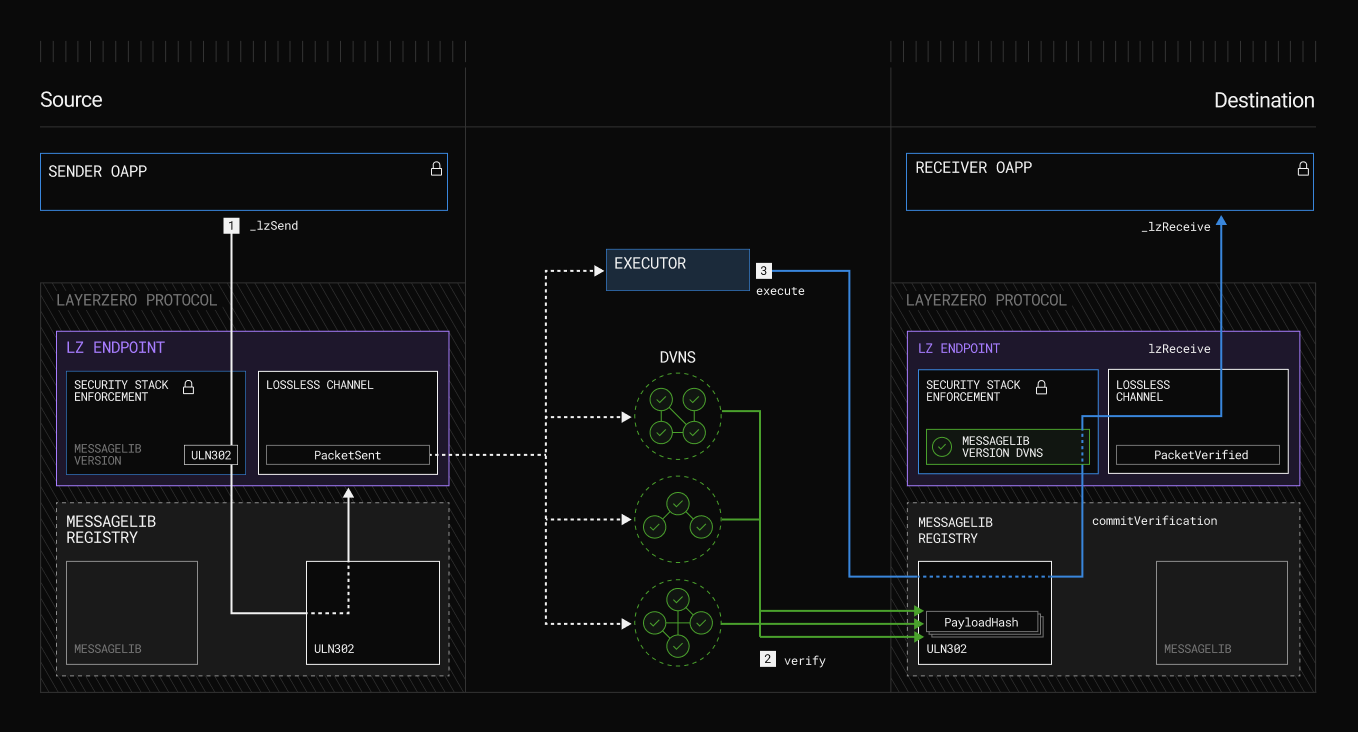
Isolated Risk Domains: Modular architectures separate critical functions (like execution, consensus, and data availability) into distinct modules. This means a vulnerability in one module—such as a consensus bug—won’t compromise the entire bridge, greatly reducing the risk of catastrophic hacks. Example: Hyperlane’s modular security model lets developers customize protection levels for each domain.
-

Seamless Upgradability: Each module in a modular bridge can be independently upgraded or replaced, allowing for rapid deployment of security patches and new technologies without disrupting the whole system. This flexibility keeps bridges resilient against evolving threats.
-
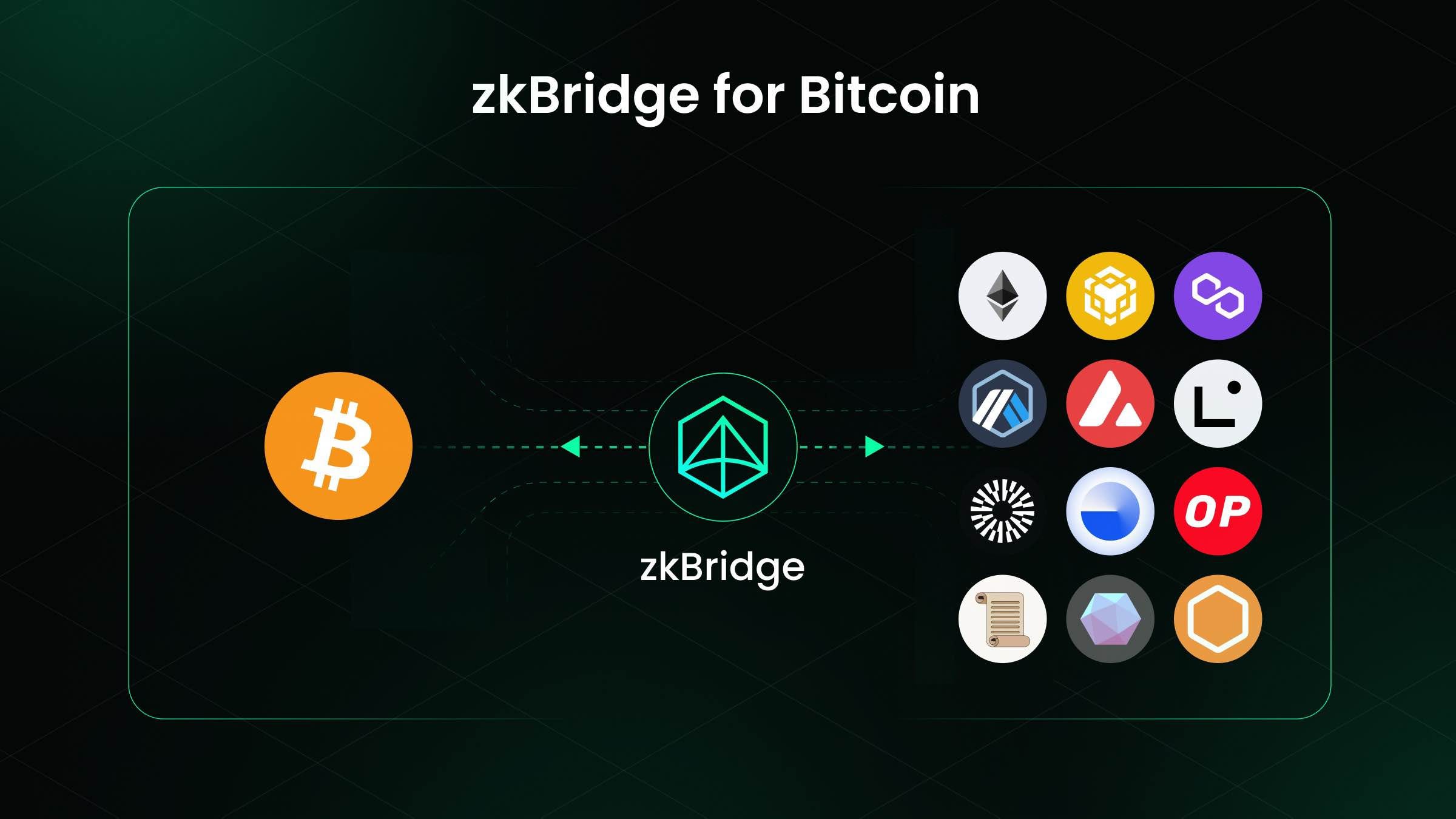
Native Message Passing: Modular interoperability enables direct, native communication between blockchains, reducing reliance on fragile, centralized relayers. zkBridge, for example, uses zero-knowledge proofs for secure, trustless cross-chain messaging.
-

Enhanced Scalability: Modular designs allow bridges to scale efficiently by integrating new technologies or expanding to new chains without major overhauls. TRON’s partnership with Avail Nexus demonstrates how modularity eliminates bottlenecks and enables seamless cross-chain communication.
-
Reduced Single Points of Failure: By distributing responsibilities across independent modules, modular bridges avoid the centralization risks that have plagued traditional bridges—helping prevent multi-billion dollar exploits like those seen since 2016.
How Modular Interoperability Prevents Bridge Hacks
The statistics are clear: over $2.87 billion lost since 2016 due to bridge vulnerabilities. Modular interoperability addresses this by minimizing trust assumptions and distributing responsibilities. Here’s how:
- Trustless Verification: Light client architectures and zero-knowledge proofs allow chains to verify each other’s state directly, no more relying on a centralized multisig or external relayer. Read how light clients are solving $2B and in risks.
- Permissionless Messaging: Protocols like Hyperlane let anyone participate in message validation, reducing collusion risk and making censorship attacks nearly impossible.
- Ecosystem-Owned Liquidity: Instead of pooled funds being held by a single contract (a hacker’s dream), liquidity is distributed and governed by DAOs or community validators, making rug-pulls far less likely.
This shift also enables “native” cross-chain execution, transactions that settle atomically across multiple chains without ever passing through a vulnerable middleman. It’s a leap toward true blockchain interoperability, where users can interact with any asset or protocol no matter where it lives.
What to Watch: Risks and Best Practices for 2025
No architecture is bulletproof, but modularity gives defenders more tools than ever before. Still, there are new risks to consider: misconfigured modules may introduce fresh vulnerabilities; poorly audited customizations could undermine otherwise secure designs; and composability means bugs can propagate between layers if not carefully managed.
For teams building or integrating bridges today, here are some best practices:
- Aggressive Auditing: Each module should undergo targeted security reviews, don’t assume plug-and-play means risk-free.
- Open Source Everything: Transparency is crucial; public codebases enable faster discovery of flaws and foster community trust.
- Diversify Validators: Avoid concentration by encouraging broad participation in consensus and verification roles.
- Continuous Monitoring: Use real-time scanners and alerts to detect anomalies across all modules as soon as they arise.
If you want an even deeper dive into how data availability layers fit into this picture (and why they’re critical for seamless DeFi), check out this guide on modular data availability.
The Road Ahead: Towards Decentralized Bridge Infrastructure
The future isn’t about eliminating bridges, it’s about evolving them into decentralized infrastructure that natively supports secure cross-chain execution. As projects like Hyperbridge, Mitosis, and zkBridge demonstrate, modularity isn’t just hype, it’s working in production today and setting new standards for safety across the ecosystem.
The next wave of innovation will focus on refining these modules further: automating upgrades without downtime, integrating advanced cryptography like threshold signatures (see MPC/TSS best practices here), and developing universal messaging formats that make moving assets between chains as easy as sending an email.
If you’re building in Web3 or simply want peace of mind when bridging assets in 2025, pay close attention to which protocols are embracing modularity, and demand transparency at every layer. The security of your assets may depend on it.
About the Author