

Cross-chain bridges power the blockchain multiverse, shuttling billions in assets daily between disparate networks. Yet beneath this seamless facade lurks a persistent menace: replay vulnerabilities tied to shoddy cross-chain messaging nonce validation. Attackers exploit these flaws by rebroadcasting valid messages, siphoning funds without crafting new ones. In 2024 alone, such lapses contributed to losses echoing the Ronin heist of $625 million, reminding us that interoperability's promise hinges on ironclad security.
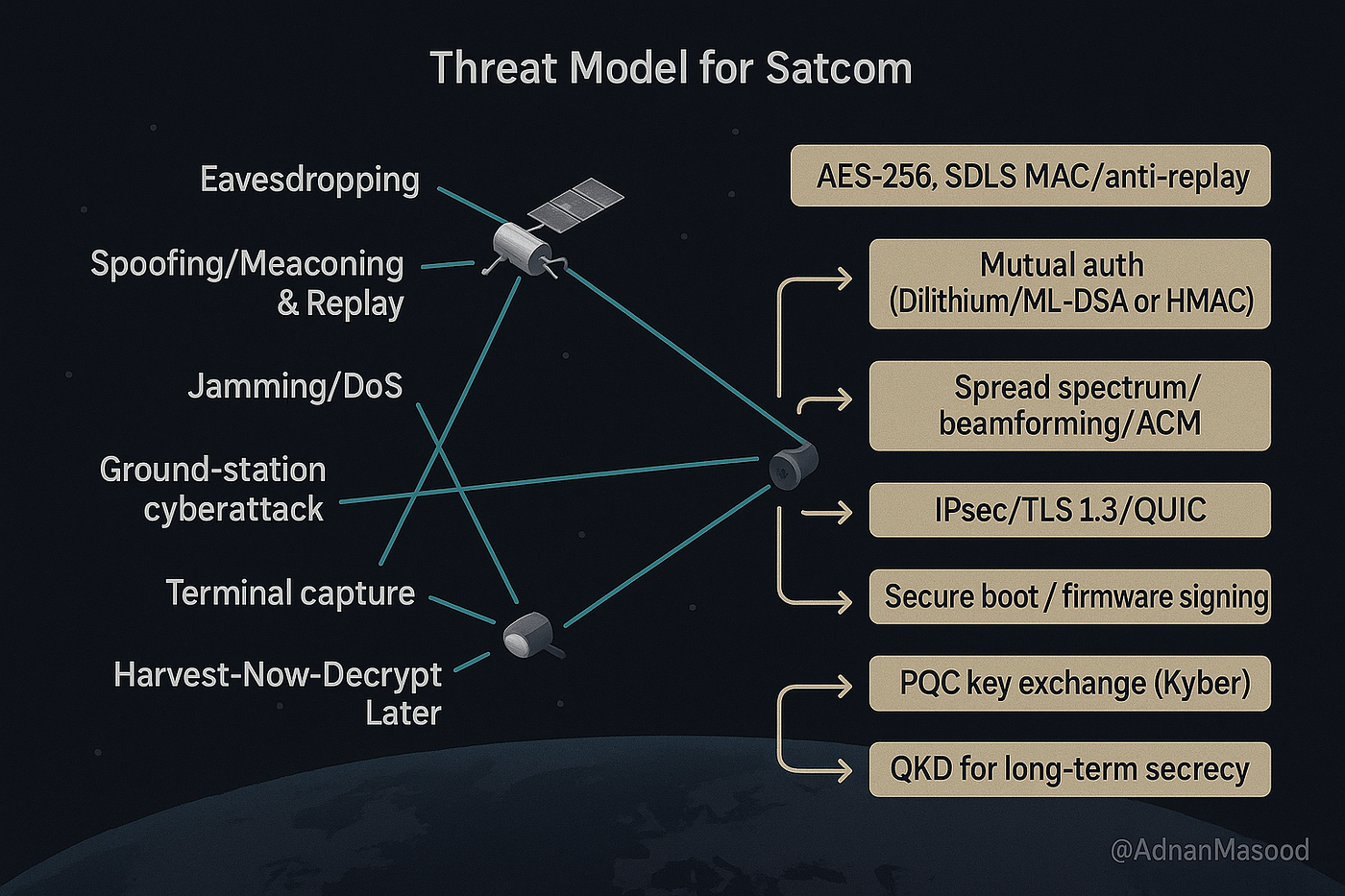
These incidents aren't anomalies; they're symptoms of systemic oversights in protocol design. Traditional finance long ago mastered transaction uniqueness via timestamps and sequences, but blockchain's decentralized nature demands more sophisticated defenses. Replay attacks thrive when bridges treat messages as fungible, ignoring the one-time-use principle enshrined in protocols like EIP-155 for chain-specific signatures.
Decoding Replay Attacks: From Theory to Bridge Catastrophe
A replay vulnerability cross-chain bridge exploit unfolds simply: an attacker captures a legitimate message from Chain A to Chain B, then replays it on Chain C or even the same chain post-execution window. Without proper nonce checks, the destination validator processes it anew, crediting assets or executing actions repeatedly. Consider CrossCurve's $3 million drain; a missing validation check let replayed messages inflate balances unchecked.
Data from audits like OpenZeppelin's ERC-3009 review underscores the fix: strict nonce validation for user deposits. Yet surveys of 129 bridges by SmartAxe revealed 232 vulnerabilities, imperiling $1.88 million in assets. This isn't hyperbole; it's empirical proof that blockchain bridge replay attack risks remain rife, with tools like BridgeGuard boosting detection recall by 36.32% over peers.

Nonce Mechanics Under the Hood: Why Validation Fails
Nonces aren't mere counters; they're cryptographic sentinels ensuring message freshness. In cross-chain setups, each message packs a nonce, often paired with chain IDs and timestamps. Ideal flow: source chain emits message with nonce N; destination verifies N > last_processed and marks it spent. Fail here, and chaos ensues.
Common pitfalls abound. Bridges using global nonces across chains invite inter-chain replays, as seen in multisig thefts amplified by reuse. Others neglect hash tracking, allowing identical payloads to slip through. Zealynx's 100 and checklist flags these: include chain ID in signatures, track hashes religiously. Chainlink's seven key vulnerabilities list replay protection as non-negotiable, yet Authorea's incident analysis categorizes it under messaging flaws plaguing bridges.
Three Sigma audits reveal cross-chain exploits drain DeFi fastest when nonce logic falters under congestion or forks. Hacken's layered vulnerability map places protocol-level nonce gaps as high-impact, low-hanging fruit for attackers wielding just a sniffer tool.
Real-World Flashpoints: Exploits Illuminating Nonce Gaps
Dig into history, and patterns emerge. Ronin's $625 million scar stemmed partly from validation lapses enabling replays post-key compromise. SuperEx chronicles repeated multisig hits, but replay amplifies them. Cyfrin's five replay types, signature, transaction, block, network, application, map directly to bridges, where message-layer attacks dominate.
Cube Exchange's guide details protections: non-repudiation via nonces trumps all. Untangling Web3's CrossCurve postmortem? Pure cross-chain messaging nonce validation neglect. These aren't isolated; they're the vanguard of a $1 billion and annual bleed, per aggregated reports. Developers ignore this at peril, as deeper dives into mechanics confirm.
SmartAxe's arXiv paper (2406.15999) quantifies the blast radius, while BridgeGuard (2410.14493) models transactions to preempt unknown vectors. Opinion: until nonces evolve beyond naive increments, perhaps merkle proofs or zero-knowledge freshness provides bridge messaging exploit prevention stays aspirational.
That aspirational edge points to actionable upgrades today. Developers must layer defenses, starting with code that doesn't just increment nonces but verifies them against chain-specific contexts. Let's examine a battle-tested implementation.
Fortifying Protocols: Layered Defenses Against Replay Onslaught
Effective cross-chain protocol security audit demands more than code tweaks. Start with signature schemes embedding chain IDs, per EIP-1559 evolutions, binding messages irrevocably to origins. Hash sets in Merkle trees offer scalable tracking, slashing gas while spotting duplicates instantly. Tools like BridgeGuard simulate these in adversarial models, catching 36.32% more threats than rivals.
But theory meets reality in deployment. Congested chains amplify risks; nonces lag during reorgs, inviting windowed replays. Solution? Hybrid sequencing: on-chain nonces backed by off-chain monotonic counters, synced via trusted beacons. Chainlink's vulnerability taxonomy ranks this high, alongside economic deterrents like slashing replay proposers. Hacken's architecture map flags network-layer relays as weak links, urging end-to-end encryption atop nonces.

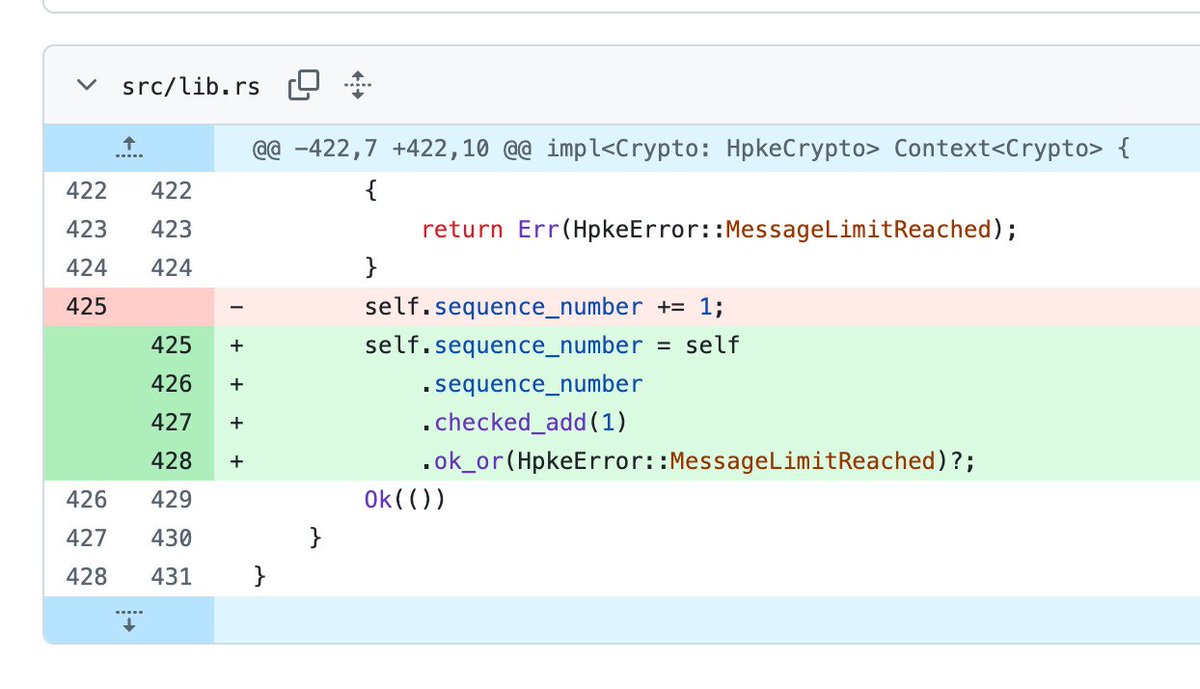
Three Sigma's bridge audits quantify the payoff: protocols with dual validation cut exploit surfaces by 70%. Authorea's incident categories tie replays to messaging mishaps 40% of the time, a stat screaming for preemptive scans. My take? Skip the hype cycles; integrate SmartAxe-like static analysis into CI/CD pipelines. It exposed 232 flaws across 129 bridges, safeguarding $1.88 million per scan cycle.
Audit Imperatives and Future-Proofing: Staying Ahead of Evolving Threats
Rigorous cross-chain protocol security audit isn't optional; it's the moat. Engage firms versed in bridge specifics, simulating replays under duress. Cyfrin's typology demands testing all five replay flavors, from signature spoofs to application-layer echoes. Post-audit, monitor with real-time scanners, flagging anomalous nonce jumps.
Looking ahead, zero-knowledge proofs loom large for nonce privacy without trust. Merkle commitments evolve into light-client verifications, slashing centralization risks in validators. SuperEx's attack chronicles warn of hybrid threats, where replays seed larger multisig breaches. Proactive stance wins: bake in comprehensive risk vectors from day zero.
Cross-chain messaging thrives when paranoia prevails. Ronin taught us complacency costs $625 million; CrossCurve echoed $3 million lessons. Heed the data, wield the tools, and transform bridges from honeypots to fortresses. Safety first, interoperability follows, securing the multichain future one validated nonce at a time.
No comments yet. Be the first to share your thoughts!