
Cross-chain bridges are the lifeblood of DeFi, shuttling billions in assets between blockchains every day. But here's the kicker: multisig setups, meant to be the unbreakable guardians of these bridges, have been the Achilles' heel in some of the biggest hacks. Think Ronin ($625 million gone) or Multichain (over $120 million). As a developer building the next big protocol, ignoring multisig vulnerabilities in cross-chain bridges isn't just risky, it's a fast track to disaster. In 2025, with exploits evolving faster than ever, you need a sharp risk scanning checklist to stay ahead.
These aren't ancient history; cross-chain bridge hacks via multisig flaws topped the charts again this year, per reports from Chainlink and CCN. Private keys leaked, signatures faked, validators turned rogue, the works. But you can flip the script. Let's dive into the top threats, ranked by how often they bite and how hard, so you can scan and secure your bridge like a pro.
Private Key Compromise of Multisig Signers
This one's the kingpin of multisig vulnerabilities cross-chain bridges face. Hackers snag a signer's private key, and boom, they control enough signatures to drain funds. We've seen it in validator sets where one weak link, like poor key hygiene or phishing, cascades into catastrophe. Ronin's breach started here, with social engineering exposing keys.
Don't sleep on this: enforce hardware security modules (HSMs), multi-party computation (MPC) for key gen, and routine audits. Real-time monitoring for anomalous signer activity can flag issues before they explode. Your bridge's TVL depends on it, developers.
Signature Verification Bypass in Multisig Logic
Even with solid keys, sloppy smart contract code lets attackers bypass signature checks. A tiny flaw in the verification logic, and forged signatures slip through, minting fake assets on the destination chain. Medium posts and SuperEx breakdowns highlight this as a staple in bridge exploits.
Motivation time: tighten your Solidity or Rust with formal verification tools. Test for edge cases like malformed sigs or off-chain data tampering. Pair it with fuzzing and invariant checks, and you're building resilience that hackers hate. Check out our guide on why multisig fails audits for code snippets that save lives.

Multisig Threshold Manipulation Attacks
Thresholds sound simple: need M-of-N signatures? Attackers game the system by influencing who signs or inflating fake quorums. In decentralized setups, this means bribing low-stakes validators or exploiting upgrade mechanisms to tweak the threshold mid-flight.
Get proactive: decentralize your signer pool beyond 20 and nodes, use proof-of-stake weighted voting, and make threshold changes via timelocked governance. Cecuro's 2025 audit insights stress this for multi-chain stablecoins too. Scan for these in your contracts now, and watch your protocol thrive.
We're just warming up. Next, validator node compromises that seize quorum control will make you rethink your infra stack.
Validator nodes aren't just infrastructure; they're the quorum's backbone. When attackers pwn a cluster of them, they hijack enough control to approve malicious transfers. Picture this: compromised servers in a multisig setup, feeding fake signatures into the bridge. Ronin redux, but with 2025's cloud infra twists.
Validator Node Compromise Leading to Quorum Control
These attacks thrive on centralized hosting or weak node security, letting hackers escalate to full quorum dominance. ChainPort's guide flags this in liquidity verification fails, while Halborn warns of multi-chain ripple effects. As developers, rotate nodes geographically, enforce air-gapped signing, and layer in intrusion detection. Your bridge's uptime? Non-negotiable.
Shifting gears, replay attacks turn one valid signature into cross-chain chaos, a sneaky flaw that's burned bridges before.
Cross-Chain Signature Replay Vulnerabilities
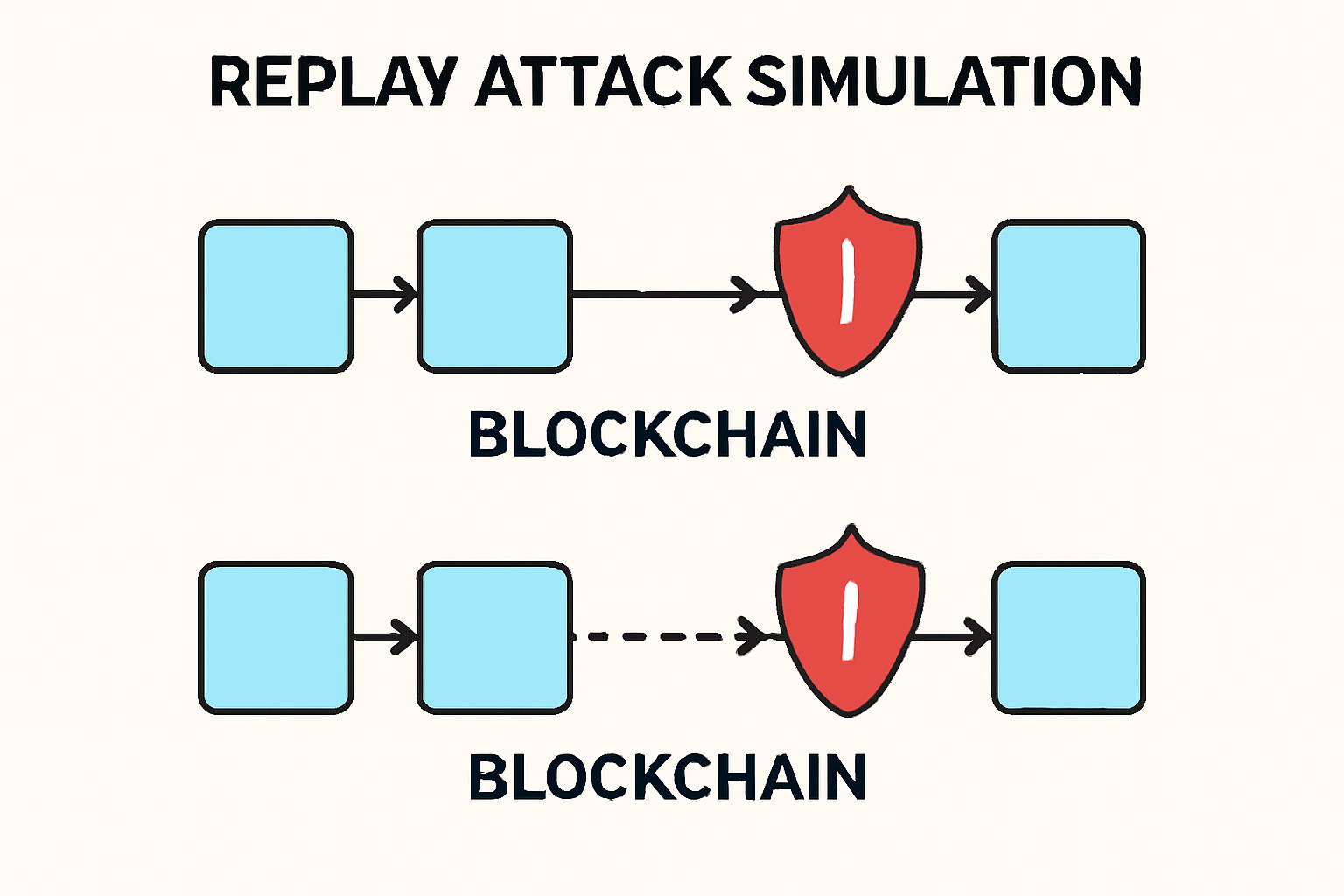
Attackers replay a legit multisig approval across chains, double-dipping assets without new effort. Nonces missing or chain IDs ignored? Instant exploit city. Officer's Notes on Medium nails how this silos economies if unchecked. Counter it with chain-specific salts, epoch-bound nonces, and relay contracts that burn replays on sight. Scan your logic fuzzily, folks, and keep those cross-chain bridge hacks multisig at bay.
Insider threats hit closer to home, where bad actors slip into the signer circle undetected.
Malicious Signer Inclusion or Insider Threats
Think governance votes stuffing rogue validators or devs with backdoor access. WBTC-style custodians amplify this counterparty risk, per LinkedIn breakdowns. Decentralize onboarding with sybil-resistant proofs, background vetting, and signer slashing. Hacken's common attacks list echoes this in greedy contracts. Build trust-minimized sets, and your protocol earns that DeFi badge of honor.
Last but brutal: key rotation gone wrong opens recovery pandora's boxes.
Key Rotation and Recovery Mechanism Flaws
Flubbed rotations leave stale keys active, or recovery multisigs inherit parent vulns. SuperEx cites this in validator compromises, with billions lost per CCN's 2025 hack roundup. Mandate timelocked rotations, MPC-sharded recoveries, and post-rotation proofs. Cecuro's audits stress tools for this in 2025. Nail it, and you're not just compliant, you're antifragile.
Top 7 Multisig Vulnerabilities in Cross-Chain Bridges: Prevalence, Key Exploits, and Mitigations
| Prevalence Rank | Vulnerability Name | Key Exploits (Ronin/Multichain) | Top Mitigations |
|---|---|---|---|
| #1 | Private Key Compromise of Multisig Signers | Ronin (2022, $625M via social engineering), Multichain (2023, $126M key theft) | HSMs, regular key rotation, real-time monitoring |
| #2 | Signature Verification Bypass in Multisig Logic | Multichain signature flaws, Ronin validator exploits | Thorough cryptographic checks, multiple audits, formal verification |
| #3 | Multisig Threshold Manipulation Attacks | Ronin quorum control issues, Multichain admin compromises | Decentralized validator sets, transparent threshold configs, collusion-resistant designs |
| #4 | Validator Node Compromise Leading to Quorum Control | Ronin (5/9 validators hacked), Multichain node takeovers | Hardware-backed keys, public signer identities, node isolation |
| #5 | Cross-Chain Signature Replay Vulnerabilities | Ronin cross-chain flaws, general multisig replays in bridges | Unique nonces/chain IDs, replay protection logic, tx uniqueness checks |
| #6 | Malicious Signer Inclusion or Insider Threats | Ronin insider/social engineering, Multichain trusted party risks | Signer vetting/elections, bribery detection, multi-party computation (MPC) |
| #7 | Key Rotation and Recovery Mechanism Flaws | Post-Ronin recovery issues, Multichain key mgmt failures | Secure rotation protocols, emergency pauses, audited recovery modules |
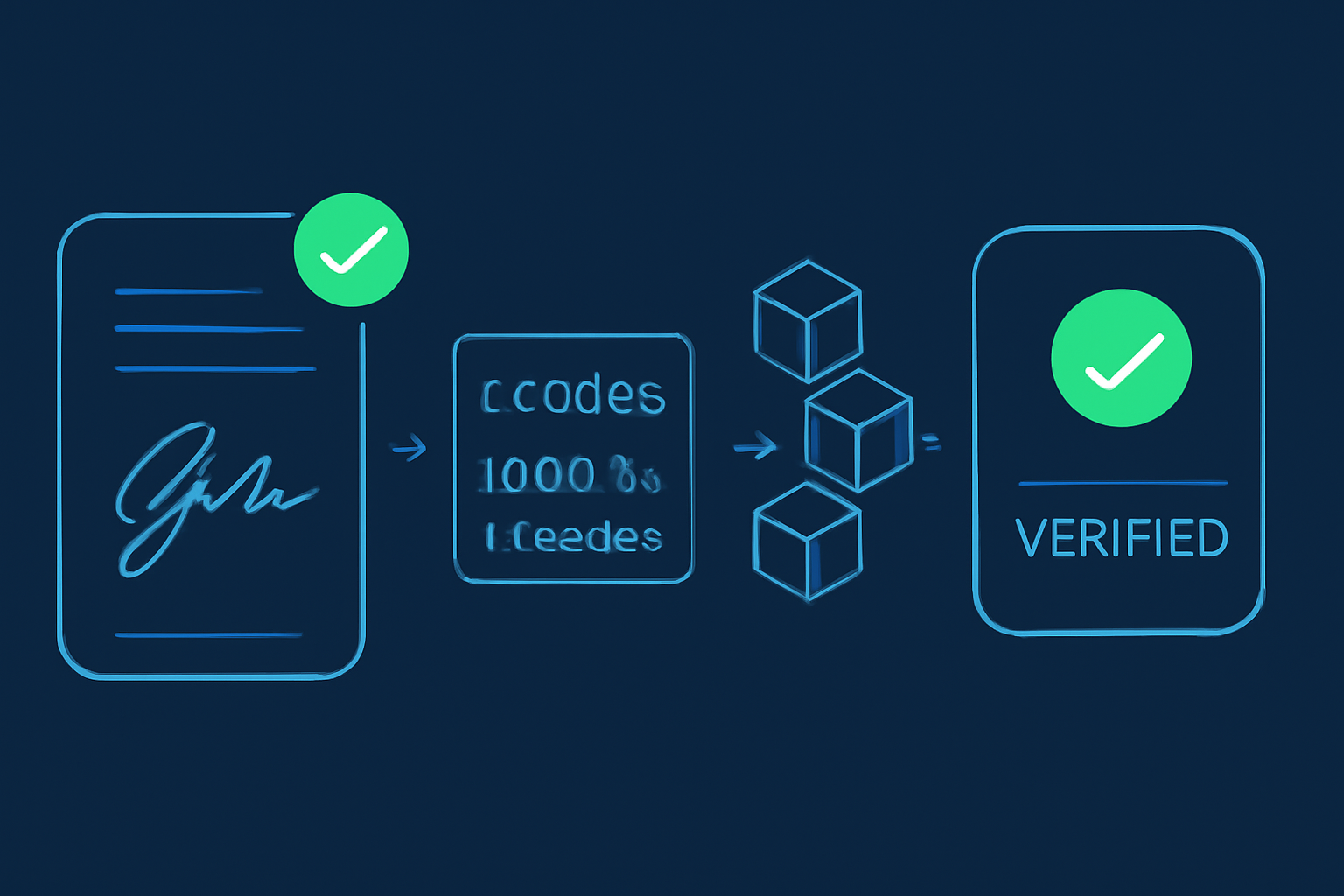
Armed with these insights, it's checklist time. Protocol devs, run this bridge security audits 2025 scanner religiously to bulletproof your multisig. Prioritize validator decentralization, HSM keys, sig rigor, contract audits, consensus sync, oracle guards, replay blocks, and kill-switches. Echoing Chainlink's vuln list and our scanner tools, weave in real-time monitoring for signer anomalies.
Secure Your Bridge: Step-by-Step Multisig Risk Scan Checklist


Layer on scanning techniques for 2025 from the pros, and integrate automated tools like those at Cross-Chain Messaging Risk Scanners. Trends show multisig holding strong against solo hacks, but only if you respect the risks. Ride secure trends, devs, build bridges that last. Your users - and their funds - will thank you.




No comments yet. Be the first to share your thoughts!